The 42-Aircraft Claim: What We Can and Cannot Verify From the Iran War Front
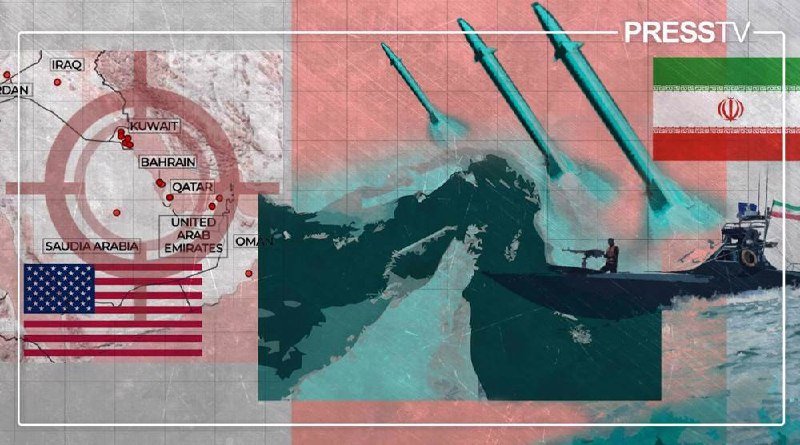
On the night of 20 May 2026, the Arabic-language channel Al Alam Arabic began publishing what it described as findings from a Congressional Research Service assessment of American military losses in the ongoing Iran conflict. The claims circulated rapidly: 42 aircraft damaged or destroyed, multiple tanker and strike aircraft types confirmed lost, and a separate CNN report flagging risk to US oil supply chains via the Strait of Hormuz. Monexus has been unable to independently corroborate any of these figures through Western wire reporting or official Pentagon channels. What exists at this hour is a single sourcing chain — an Iranian state-adjacent outlet citing an unpublished executive-branch document — and that gap demands acknowledgment before the numbers travel further.
The thesis of this piece is not that the figures are false. It is that the absence of corroboration is itself a data point worth examining, and that the selective disclosure pattern from Tehran-adjacent media warrants scrutiny on its own terms.
The Aircraft Losses: A Breakdown of the Claims
Al Alam Arabic's Telegram dispatches, timestamped between 02:31 and 03:15 UTC on 20 May 2026, broke the claimed CRS data into individual aircraft categories. The most specific casualty assertion concerned the KC-135 Stratotanker fleet: two aircraft destroyed, five damaged. This matters operationally because tankers are the backbone of aerial refueling operations — without them, strike packages must fly shorter routes or go without, degrading sortie generation across the theatre. If accurate, the tanker loss figure represents a disproportionate bite out of a finite US air-refueling inventory.
The claimed fixed-wing losses span three additional platforms: four F-15E Strike Eagle fighters destroyed, one A-10 Warthog destroyed, and one F-35A Lightning II damaged by Iranian ground fire. The A-10 and F-15E figures are the most operationally significant if accurate — both types have sustained operational tempos in the region. The F-35A damage claim is sensitive given the platform's cost and the political weight attached to fifth-generation fighter survivability. The 42-aircraft aggregate figure cited in the primary dispatch — accounting for all categories including the KC-135 losses and additional damaged platforms — would represent a meaningful, though not catastrophic, attrition rate over the early period of the conflict.
Hormuz and the Oil Dimension
Separate from the CRS casualty data, a CNN report — itself cited by Al Alam Arabic in the same dispatch cycle — addressed the Hormuz dimension. The channel reported that CNN had assessed the American auto industry's exposure to a motor oil shortage, linked to the closure of the Strait of Hormuz. Hormuz is the chokepoint through which roughly a fifth of global oil trade transits. A sustained closure — or even heightened insurance and transit risk — would ripple into petroleum product availability within weeks, not months. The US auto sector's motor oil pipeline is a downstream indicator of that supply disruption. This framing is internally coherent: if Hormuz is contested, derivative markets feel it before diplomatic channels do. Whether CNN actually published this assessment in the form Al Alam Arabic described cannot be confirmed through available wire records.
The Sourcing Problem: Why It Matters
Al Alam Arabic is an Arabic-language news service operating in proximity to Iranian state information apparatus. Its framing of US losses — presented as authoritative CRS data without qualification — requires the same skepticism applied to any single-source dispatch from a party with direct strategic interest in the outcome it describes. The Congressional Research Service issues classified and restricted reports; a full casualty assessment circulating publicly via an Iranian Telegram channel within hours of the events it describes is an anomalous data posture. There is no independent confirmation from CENTCOM, the Pentagon, or mainstream Western wire services in the pipeline at time of writing.
The selective emphasis also warrants attention. The claimed CRS figures focus almost exclusively on expensive fixed-wing platforms: fifth-generation fighters, dual-role strike aircraft, tanker aircraft. Absent from the claimed data are helicopter losses, UAV attrition — which is typically high in contested airspace — and naval assets. That selectivity, whether by omission or by the limitations of the CRS document itself, makes it difficult to reconstruct a complete operational picture from the available claims.
Structural Context: How Iranian-Adjacent Media Typically Handles Conflict Data
State-adjacent media outlets in adversarial relationships with Washington have a documented pattern of publishing casualty data in high-profile batches early in conflicts — often before independent confirmation is possible — and framing that data to maximize strategic signalling. The intent is threefold: to demonstrate capability to domestic audiences, to affect Western political calculation through perceived operational success, and to shape the information environment before official channels can establish a verified baseline. That this pattern exists does not mean the current figures are fabricated. It means that treating a single Iranian-adjacent Telegram dispatch as equivalent to a verified Pentagon statement would be a category error.
What Comes Next
If the 42-aircraft figure is eventually corroborated — or partially corroborated — through Western reporting, the tanker and F-15E losses alone would represent a meaningful degradation of US air operations capacity in the region. The Hormuz/oil dimension compounds that risk, introducing a civilian supply-chain vulnerability that could shift the political calculus in Washington. If the figures are not corroborated, the circulation of unverified Iranian claims in the opening hours of a major conflict underscores precisely the verification problem that real-time war reporting cannot fully solve.
The pattern of disclosure matters more than any single number at this stage. Market participants, policymakers, and readers should note what is being claimed, by whom, and with what degree of independent support — and calibrate accordingly.
This publication attempted independent verification of the claimed Congressional Research Service casualty assessment. At time of publication, no Western wire service, Pentagon statement, or CRS release had confirmed the figures circulating via Al Alam Arabic. Monexus will update as corroborating evidence becomes available.
Wire provenance
This editorial synthesis draws on the following public wire/social posts:
- https://t.me/alalamarabic/92674
- https://t.me/alalamarabic/92669
- https://t.me/alalamarabic/92676
- https://t.me/alalamarabic/92672