Musk v. Altman: The AI Civil War Reaches a Courthouse
A San Francisco courtroom has become the unlikely venue for a reckoning over whether the world's most consequential AI company betrayed its founding mission — and whether its most famous cofounder had designs of his own.
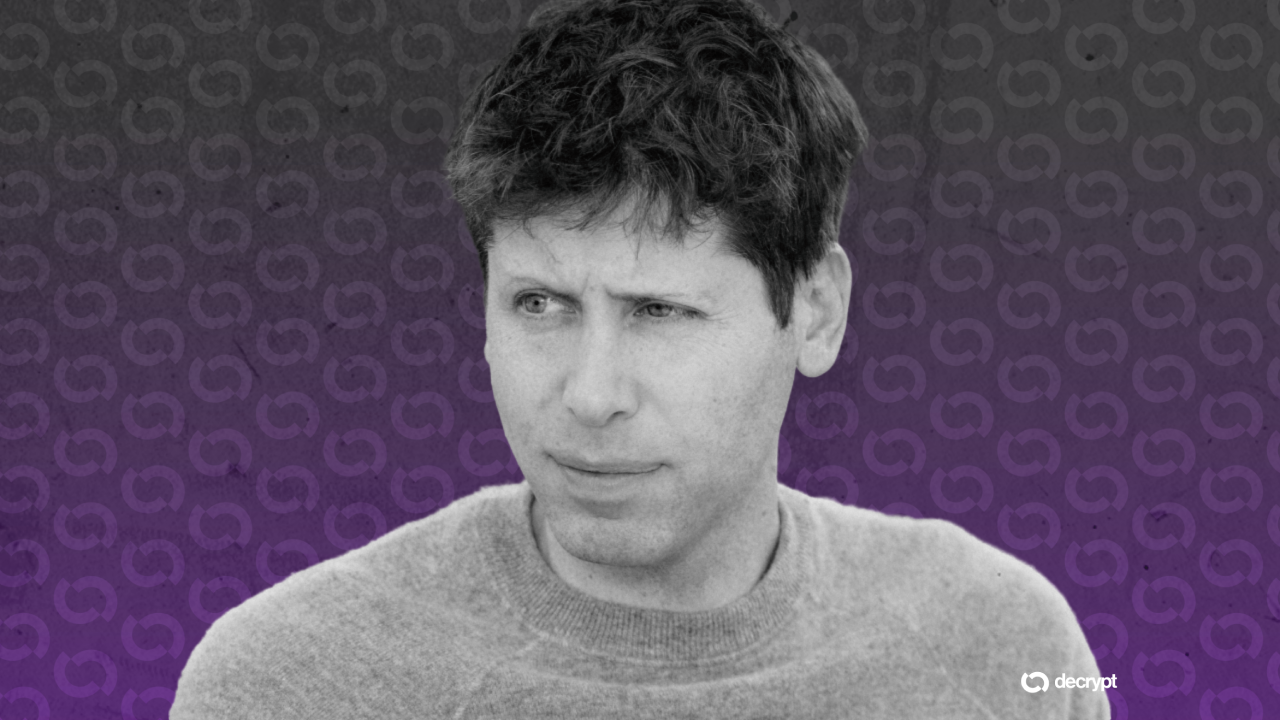
The trial that tech observers have been anticipating for two years opened with a familiar premise: Elon Musk accusing Sam Altman of betraying OpenAI's original nonprofit mission. What unfolded over the opening days, according to court filings reviewed by TechCrunch, complicated that narrative in ways neither side anticipated.
Musk's core allegation — that Altman improperly steered OpenAI toward a commercial model that enriches Microsoft and undermines the company's founding pledge to develop artificial intelligence for the benefit of humanity — formed the spine of the opening argument. But cross-examination and internal communications introduced a wrinkle: records show Musk himself proposed commercial structures and equity arrangements that bore structural resemblance to the model he now contests.
"By the end of this week, you and Sam will be the most hated men in America," Musk reportedly told Altman in a 2019 communication referenced during the proceedings — a remark that cut both directions as plaintiff's counsel attempted to establish intent and defense attorneys moved to establish that the tension between nonprofit and commercial imperatives was a known, debated feature of OpenAI's governance from the outset.
The Nonprofit Pivot Problem
OpenAI was founded in 2015 as a nonprofit research organization with a stated mission to ensure artificial general intelligence benefits all of humanity. The structure was unusual for a lab attempting to compete with Alphabet and Meta on frontier AI — nonprofit funding constraints create hard ceilings on the compute and talent that can be brought to bear. By 2019, the company had established a capped-profit subsidiary, a legal mechanism that allowed outside investment while theoretically preserving the parent organization's mission alignment.
Musk's legal team argues this structure represented a fundamental departure from the founding compact. The subsidiary arrangement, they contend, created a commercial entity that Altman controlled in ways the original nonprofit charter never authorized, ultimately culminating in the 2023 board crisis that briefly ousted Altman before his reinstatement.
OpenAI's defense rests on a different reading of the trajectory. Court submissions describe the capped-profit structure as a necessary adaptation — one that Musk himself advocated internally before his 2018 departure from the board. The company argues that the architecture was disclosed to early backers, that it preserved mission-guiding provisions in the subsidiary's charter, and that any governance failures in 2023 were corrected through restructured oversight.
What the Internal Record Shows
The discovery phase has produced documents that both sides are parsing carefully. Internal communications from 2018 and 2019 show Musk raising concerns about the pace of commercialization and suggesting alternative structures — including proposals for a more traditional equity model that would have given him greater operational influence. Musk departed the board before those discussions concluded, and the trial is now interrogating whether his subsequent public criticism of OpenAI's direction reflects genuine mission concern or a dispute over governance outcomes that he was unable to shape from within.
Altman, for his part, has maintained throughout that the capped-profit structure was the only viable path to the compute investment required to pursue AGI at the frontier. The competitive landscape — Google's DeepMind, Amazon's Alexa division, Meta's AI research arm — made the nonprofit model untenable without a mechanism to attract the billions in capital needed to train large language models at scale.
The factual record before the court is, by both legal teams' own characterization, genuinely contested. Witnesses scheduled to testify include former board members, early OpenAI employees, and current Microsoft representatives — the latter's involvement reflecting the extent to which the $13 billion Microsoft investment has become central to the dispute's commercial substrate.
The Structural Stakes Beyond the Courtroom
Whatever the verdict, the case raises questions that extend well beyond the parties involved. The governance model for AI development — how mission-oriented nonprofits can operate at frontier scale, what obligations a company's founders owe to its stated purpose, how commercial investment can be structured without corrupting research priorities — is a set of questions the entire industry is wrestling with in real time.
Anthropic, DeepMind, and xAI all operate under varying configurations of nonprofit oversight and commercial investment. The outcomes here will likely inform how investors and regulators think about the legal frameworks governing AI companies more broadly — particularly as the EU AI Act and emerging US regulatory proposals create new compliance requirements around corporate structure and safety governance.
The case also exposes a fault line in how Silicon Valley handles founder disputes. Musk's position — that he invested credibility and capital in an organization that subsequently abandoned its founding purpose — echoes arguments made in other high-profile governance disputes. The distinction here, his attorneys argue, is that OpenAI's stated mission was the explicit basis for the original social compact with the public, not merely a private agreement between investors.
OpenAI's counters are pragmatic. The mission remains, they argue, even if the legal structure evolved. The AI being developed is still oriented toward safety and broad benefit — the structural evolution was the mechanism by which that mission could be pursued at competitive scale. Whether that argument prevails with the jury will depend on how the judge and attorneys frame the original charter's legally binding force versus its aspirational character.
What Remains Unresolved
The trial is expected to run three to four weeks. Several substantive questions remain in contention: whether the capped-profit subsidiary's creation required board approval that was not formally obtained; whether Microsoft's investment terms gave the company disproportionate influence over OpenAI's safety decisions; and whether the 2023 board removal and reinstatement constituted a material breach of the governance framework that existed at the time.
Musk has publicly positioned the case as a matter of principle over personal gain — he has not sought monetary damages, instead requesting structural remedies that would reshape OpenAI's governance going forward. Altman, meanwhile, has framed the litigation as an attempt to rewrite the history of decisions made years ago by parties who had full information at the time.
The courtroom dynamic reflects something larger: a genuine uncertainty in the AI sector about what governance structures can actually constrain the development of systems that may reshape civilization. The nonprofit-to-commercial arc of OpenAI is, in many ways, the story of that sector's emergence from research lab to geopolitical actor compressed into a decade. This case will determine whether the legal architecture developed to navigate that transition holds — or whether it was, as Musk alleges, a managed betrayal of purpose from the beginning.
Monexus notes the wire framing of this trial has leaned heavily on the personal conflict between two recognizable figures, sometimes at the expense of the structural governance questions at its center. This desk attempted to surface those structural stakes more directly.