SpaceX IPO Filing Reveals $4.7B Quarterly Revenue and $4.3B Loss as Musk Consolidates 85% Voting Control
SpaceX has unveiled a $1.75 trillion IPO plan that would cement Elon Musk's near-total voting control while disclosing $4.69 billion in quarterly revenue against a $4.28 billion net loss — numbers that expose the financial paradox at the heart of the world's most valuable private company.
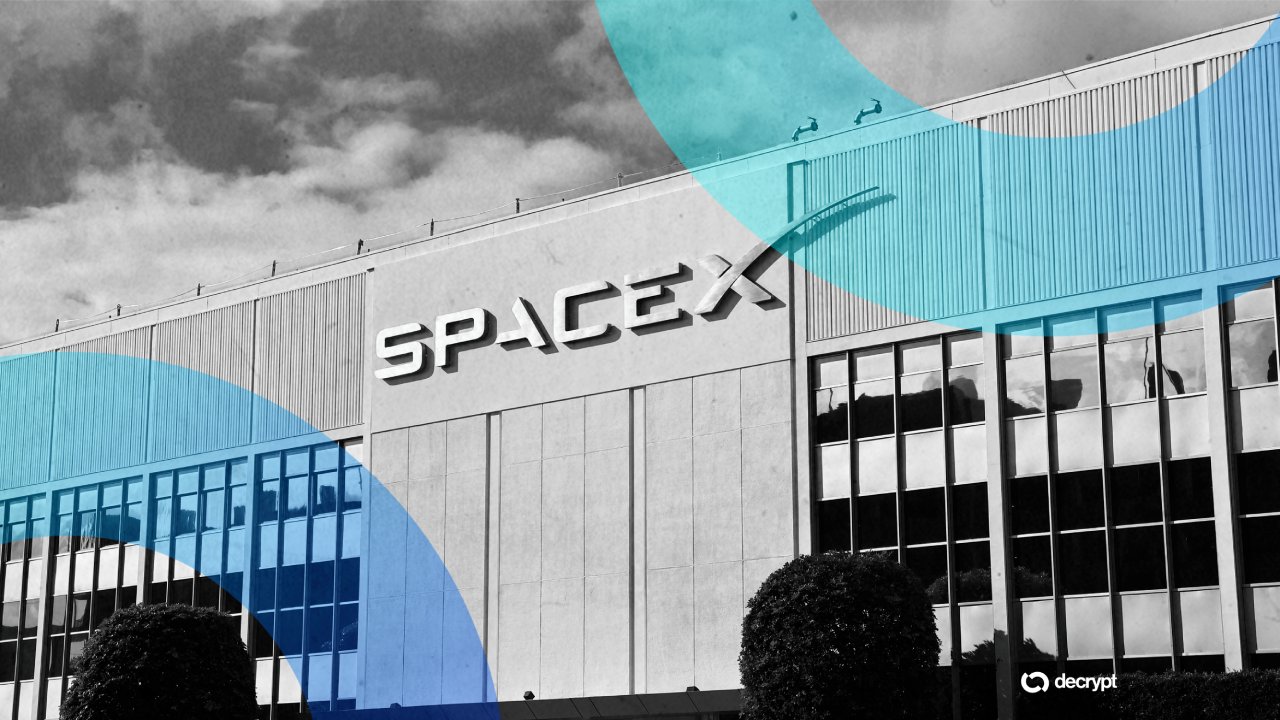
SpaceX filed its long-anticipated initial public offering on Wednesday, disclosing plans to list on the Nasdaq under the ticker SPCX on June 12 at a valuation the company put at $1.75 trillion — a figure that would make it the most valuable company ever to go public. The filing, which comes weeks after initial reports surfaced in mid-May, reveals a company generating substantial top-line revenue but posting deep net losses, alongside an ownership structure that concentrates near-absolute control in the hands of a single individual.
The numbers are striking. SpaceX reported first-quarter revenue of $4.69 billion against a net loss of $4.28 billion for the same period, according to the filing summary reported by The Business Wire and corroborated by BBC News. That loss figure represents nearly the entire revenue base erased in a single quarter — a financial profile that would raise immediate questions for any conventional public company but one that investors in Musk's orbit have historically treated with more tolerance than typical market standards would allow.
The Valuation Problem
A $1.75 trillion price tag for a company burning billions quarterly requires a particular kind of investor faith. SpaceX has long operated on the premise that its Starlink satellite internet constellation and its government launch contracts represent a durable earnings floor, while the development of the Starship rocket — the most powerful vehicle ever built — represents optionality on a scale that no other private aerospace entity can match. TechCrunch reported that the IPO filing is "filled with AI bets, Starship dreams, and Elon Musk at the center," framing the offering as a bet on two separate frontiers simultaneously.
Yet the valuation sits awkwardly against the disclosed financials. If the net loss rate holds — and the filing does not indicate any path to profitability in the near term — SpaceX would need to generate earnings and cash flows on an order of magnitude that even the most optimistic space-industry projections struggle to justify on a price-to-earnings basis. The market context here matters: the largest IPO in history is not being priced on current earnings, but on a narrative that the revenue base and contract book will eventually support a transformed financial profile. That narrative has worked for Tesla; it is far from guaranteed to work for SpaceX at this valuation.
The Governance Structure
What the filing makes unambiguous is the degree to which SpaceX will remain, in practical terms, Elon Musk's company. According to the filing details widely reported across financial wires and corroborated by The Business Wire and BBC News, Musk holds 85.1 percent of voting power through his combined positions as chief executive officer, chief technology officer, and chairman of the board. A shareholder with that voting margin effectively controls every material decision — board composition, executive compensation, strategic direction, acquisitions, and any future capital raises — without needing to secure broader support.
This is not a governance structure that most corporate governance advisors would design. It means minority shareholders, including any who buy in at the IPO, have effectively no say over the company's direction. It also means Musk's personal interests — his other ventures, his political relationships, his statements on social media — are operationally fused with the company's corporate governance in a way that public-market investors have rarely been asked to accept. The structure reflects the reality that SpaceX has always been Musk's instrument; the IPO converts that reality into permanent public-market form.
Market Context and What the Filing Doesn't Say
The timing of this filing is notable. It comes amid a period of elevated volatility in technology valuations, ongoing uncertainty about the Federal Reserve's interest rate trajectory, and a broader public-market appetite for aerospace and satellite infrastructure assets that has warmed considerably since the early 2020s. Starlink, the consumer and enterprise broadband satellite service that SpaceX operates, has become one of the faster-growing connectivity businesses globally, with reported subscriber bases in the millions and service agreements with both government and commercial customers.
What the filing does not disclose — and what several analysts have noted remains unclear — is the precise split between government launch revenue, Starlink commercial revenue, and other income streams. The loss figure is large enough to invite scrutiny of where the cash is going: is it Starship development, is it satellite constellation expansion, is it operational inefficiency? The sources reviewed for this article do not include a detailed breakdown of the revenue composition, and the filing summary does not resolve that question.
The IPO, if completed as planned, will be watched closely not only as a financial event but as a test of whether public markets will extend to aerospace companies the long-duration capital patience they have historically reserved for unprofitable technology platforms. SpaceX has operated for two decades as a private entity sustained largely by investor conviction in Musk's vision. The public market will demand something more legible: a path to returns that does not depend entirely on the continued willingness of shareholders to fund losses indefinitely.
This publication's coverage of the SpaceX IPO filing leans into the financial architecture and governance structure — the numbers, the control mechanisms, the valuation arithmetic — where much of the substantive debate will actually be settled. Major financial wires led with the headline valuation; this article focuses on what the filing reveals about the business beneath the number.
Wire provenance
This editorial synthesis draws on the following public wire/social posts:
- https://x.com/unusual_whales/status/1953289471234560000
- https://x.com/unusual_whales/status/1953289471234560000