Aaron Rodgers Confirms 2026 Will Be Final Season, Closing a 22-Year NFL Career
Aaron Rodgers will play his 22nd and final NFL season in 2026, ending a career that spans four MVP awards, a Super Bowl title, and two franchises shaped by his presence.
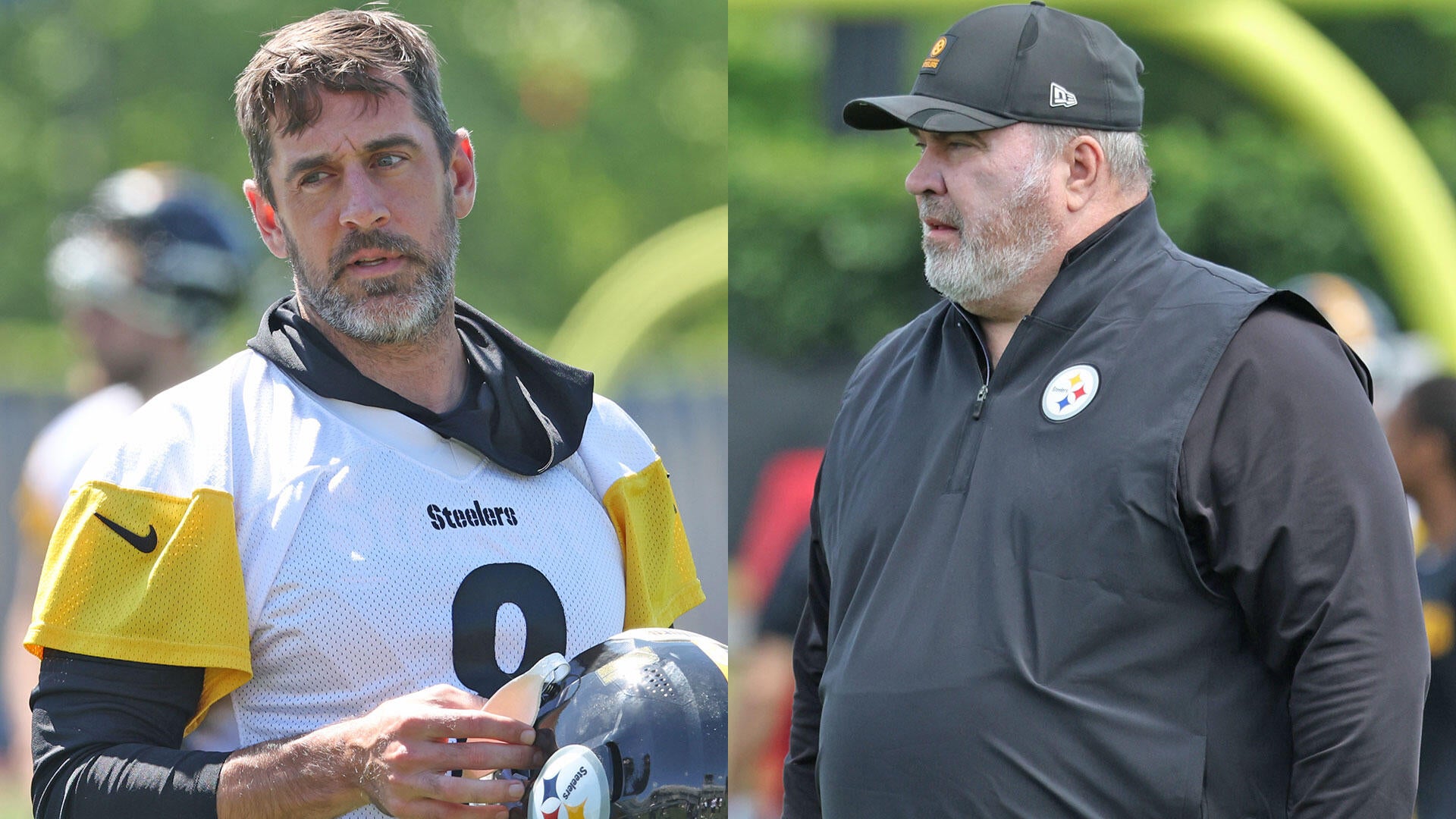
Aaron Rodgers confirmed on May 20, 2026, that the upcoming season will be his last. "This is it," he told Sky Sports, ending months of speculation about the future of a quarterback whose career stretches back two decades. The announcement marks the conclusion of a 22-year NFL run that has reshaped how the position is understood, debated, and celebrated.
Rodgers leaves the game as one of its most decorated passers. Four MVP awards, a Super Bowl ring, and consistently elite efficiency numbers define the statistical ledger. But the case for his place in history runs beyond the numbers. Across two franchises—his first 18 seasons in Green Bay, followed by three years in New York—Rodgers imposed a particular style of play: precise, cerebral, and resistant to the surrounding noise of a sport that constantly demands headline-friendly narratives.
The Announcement and Its Timing
Rodgers chose to confirm his retirement plans before the 2026 season rather than letting uncertainty linger into training camp. The decision aligns with a pattern he has maintained throughout his career—control over his own story, including the moment of departure. Sources indicate he informed teammates before the public statement, a gesture that reflects the relationship he built with a Jets roster that, despite inconsistent results in his tenure, remained largely aligned with his approach to the game.
The timing also matters structurally. New York enters the 2026 season with a clearer succession picture than it had when Rodgers arrived in 2023. Draft capital and salary cap space have been repositioned to allow a smoother transition once he steps away. The franchise knew this day was coming; the question was only when Rodgers would make it official.
Where He Ranks Among All-Time Quarterbacks
A second article, published on CBS Sports on May 21, 2026, examines Rodgers' standing relative to the quarterbacks who preceded him and those who will follow. The framing acknowledges that his place among the all-time greats is secure—and that security is not simply a product of longevity. It reflects consistent performance at the highest level across multiple seasons and multiple coaching staffs.
Rodgers ranks among the top five quarterbacks in career passer rating and touchdown-to-interception ratio, categories that strip away team context and isolate individual decision-making. Those metrics matter in part because they are tenure-independent: a quarterback's efficiency profile in year eighteen tells you something different than his profile in year five, and Rodgers maintained elite numbers deep into his career in ways that few have matched.
The debate over his historical standing often centres on championships. He won one Super Bowl with Green Bay in the 2010 season and reached another NFC Championship game in the 2020 season. Critics point to the 2021 divisional-round collapse against San Francisco as a defining moment of playoff underperformance. Defenders counter that football outcomes depend on entire rosters, not single players, and that Rodgers' supporting casts in several seasons fell short of the standard his play required.
That debate will continue. What is harder to dispute is the consistency of his individual output and the influence he had on how his teammates approached the game. Several current NFL quarterbacks have credited Rodgers' pre-snap decision-making as a model they attempted to replicate, even in different offensive systems.
What Comes Next for the Jets
New York now faces the task that every franchise encounters when a high-profile veteran departs: defining the position through younger players rather than inherited reputation. The 2026 season will function as both a competitive year and an evaluation window. Rodgers' final games will draw attention, but the more significant data points for the organization will come from whoever lines up behind centre in 2027 and beyond.
The Jets have accumulated draft picks and cap flexibility during Rodgers' tenure that position them to pursue a credible replacement, whether through the draft, free agency, or a combination of both. The roster around the quarterback position has been rebuilt incrementally since his arrival, and some of that investment predates him—a reminder that franchise decisions rarely originate with any single player, however central that player becomes to the public narrative.
For Rodgers himself, the transition will likely include involvement in projects outside the game he is leaving. He has maintained interests in mindfulness, music, and media that have occasionally surfaced during his playing career. Those ventures tend to attract attention when a player's public profile is high; they become harder to track once the daily obligation of the NFL schedule ends.
The Broader Context of a Career in Transition
Professional sports increasingly treat retirement announcements as narrative moments, with athletes managing the message as carefully as they manage the game itself. Rodgers has followed that pattern, choosing his platform, his words, and his timing with the deliberation that has characterised his public presence. The announcement on Sky Sports, rather than through a team statement or social media post, reflects a preference for outlets that ask follow-up questions rather than amplify headlines.
The NFL, for its part, will absorb the departure of one of its most recognisable figures with its usual operational efficiency. The league's structure does not depend on any individual star, and the pipeline of talent continues to produce quarterbacks capable of filling the attention vacuum. But the specific combination of talent, personality, and narrative complexity that Rodgers offered is not easily replicated. Whether a successor emerges who matches that profile will be one of the defining questions for the position over the next decade.
For now, the story is straightforward: a quarterback who decided the 2026 season will be his last has earned the right to that decision on his own terms. The argument about where he ranks among all-time quarterbacks will outlast the final snap. That argument, by its nature, is a form of recognition.
This publication covered the announcement with a focus on the career arc and the Jets' succession picture, rather than on the cultural spectacle of a farewell tour.