Court Blocks Himachal's Bid to Shield Anti-Corruption Bureau from Transparency Law
The Himachal Pradesh High Court has stayed a state government notification that would have exempted the Vigilance Bureau from the Right to Information Act, ruling in favour of a challenger who argued the move was an unlawful administrative shortcut around statutory disclosure requirements.
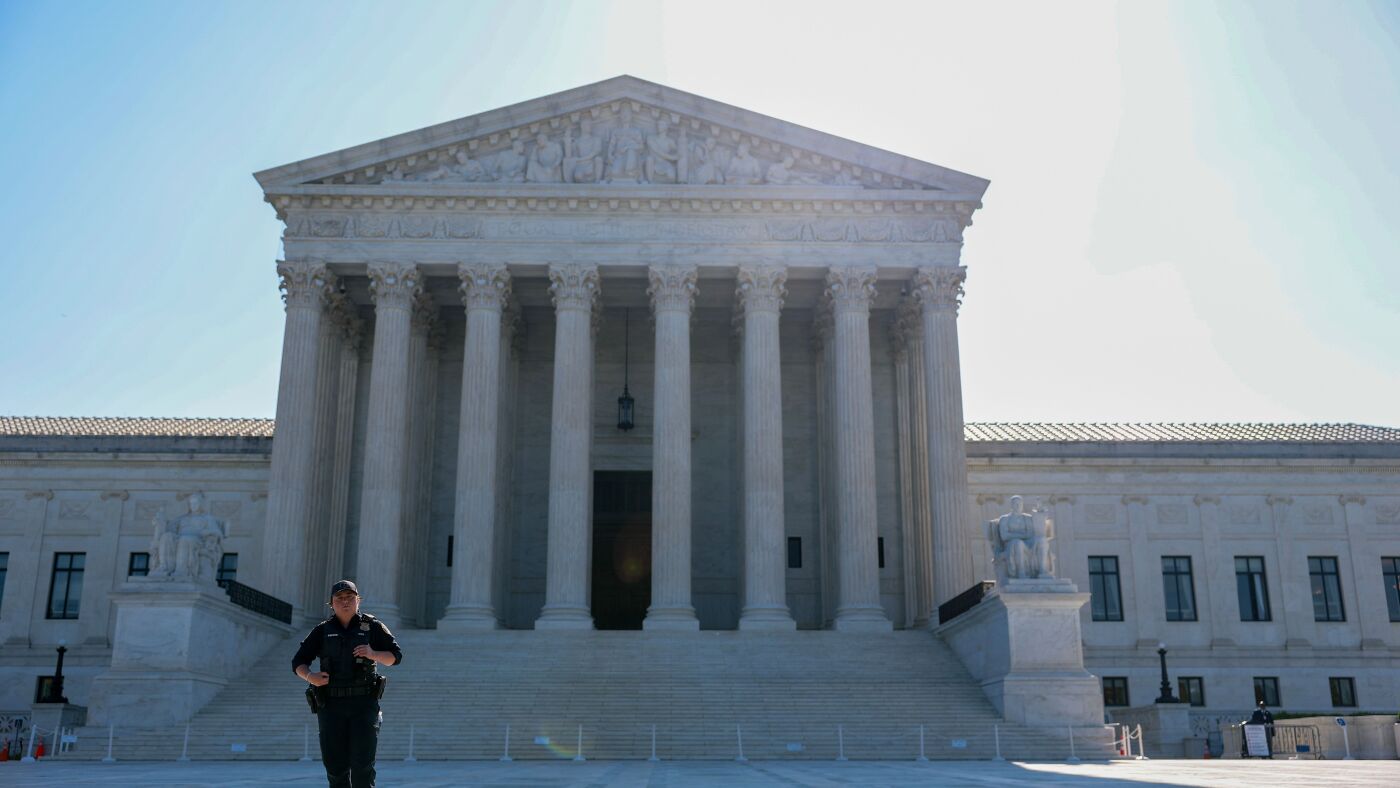
The Himachal Pradesh High Court on 21 May 2026 stayed a state government notification that would have exempted the Vigilance Bureau — the state's primary anti-corruption agency — from disclosure requirements under the Right to Information Act. The interim order, which requires the government to pay Rs 50,000 in costs to the petitioner, means the bureau must continue processing RTI applications as before while full arguments proceed. The ruling represents a direct judicial check on executive power and signals that even specialised law-enforcement bodies cannot be removed from statutory transparency frameworks by administrative fiat alone.
The government had argued that operational confidentiality was necessary to protect ongoing investigations. The court was not persuaded. By granting an interim stay — rather than waiting for full hearings — the judges indicated that the exemption's legal basis was weak enough to warrant immediate intervention. The Vigilance Bureau now operates under the RTI framework as it did before the challenged notification. The interim order will hold until the High Court hears substantive arguments on whether the exemption is lawful.
The statutory framework the court invoked
The RTI Act, 2005, lists specific intelligence and security bodies that can be fully exempted from disclosure obligations under Section 24 of the Act. The Vigilance Bureau is not among them. Governments at the state level cannot unilaterally extend exemptions to bodies Parliament did not include on that list — even when framed as routine administrative adjustments. The court's preliminary finding, in granting the interim stay, suggests the notification was indeed an attempt to achieve by administrative means what would require legislative authority to accomplish. Whether the government had legal cover for the move is the central question the full hearing must resolve.
The broader principle at stake is that exemptions from transparency law are not self-executing. They require either a specific statutory provision or a designation under the scheduled list. A state government cannot simply decide that one of its agencies operates outside the RTI framework simply by issuing a notification. The court's intervention reinforces that principle at a moment when several state governments have tested the boundaries of what administrative action can achieve in limiting public access to information about public institutions.
Anti-corruption bodies and the transparency problem
The Himachal case surfaces a recurring tension in Indian governance. State governments argue that anti-corruption agencies require operational space — that disclosure of ongoing cases can compromise investigations, intimidate witnesses, or allow politically connected subjects to adjust their conduct. That argument has real substance in some contexts. Investigations into live corruption cases can be derailed if subjects receive advance notice through RTI requests about who is being interviewed or what documents are being sought.
But the counterargument carries equal weight. If anti-corruption agencies operate without transparency constraints, they become vulnerable to political misuse — cases opened against rivals, evidence selectively gathered, outcomes pre-determined by the agency's political masters. Transparency requirements exist precisely to make anti-corruption bodies accountable for the exercise of their substantial powers. The RTI Act is not an obstacle to effective law enforcement; it is a structural safeguard against its abuse.
Courts have generally sided with the second view. India's higher judiciary has consistently held that anti-corruption agencies must operate under the same accountability constraints as other public institutions — and that the appropriate forum for resolving disputes about the scope of those constraints is a court, not the agency's own administrative preference. The Himachal stay is the latest in that line.
Patterns across Indian courts that week
The Himachal ruling did not stand alone. In the same period, other Indian high courts issued orders that collectively signalled a judicial readiness to enforce procedural discipline across a range of government conduct.
The Punjab and Haryana High Court imposed costs of Rs 6 lakh on Sukhpal Khaira, a former minister, after dismissing his contempt plea related to a demolition order. The court found the plea to be without substantive merit and used the cost order to signal that the contempt jurisdiction would not be deployed as a tactical litigation device. Separately, the Delhi High Court junked a criminal complaint in a case involving allegations of non-consensual sexual conduct, after the former wife accepted Rs 20 lakh as settlement. The court found the FIR to be an abuse of process and declined to let it proceed.
The three rulings cover different legal domains — administrative law, contempt jurisdiction, criminal procedure — but they share a common thread: courts asserting authority over how legal processes are being used, and protecting their own institutional integrity from being pressed into service for purposes unrelated to the resolution of genuine disputes. The Himachal case, with its direct engagement with statutory transparency requirements, sits at the more structurally significant end of that spectrum.
What the full hearing will decide
The interim stay holds while the High Court hears substantive arguments. The state government will have the opportunity to present its full case for the exemption — including any evidence that operational confidentiality has been genuinely compromised by RTI disclosures in the past, or that the exemption serves a clearly defined statutory purpose. The petitioner, who challenged the notification as unlawful, will respond by arguing that no such statutory basis exists and that the exemption is precisely the kind of executive overreach the courts exist to correct.
The outcome will have implications beyond Himachal Pradesh. If the High Court upholds the exemption, other state governments will have a template for removing their anti-corruption bodies from RTI scrutiny. If the court strikes it down — or narrows its scope significantly — the ruling will strengthen the principle that transparency law applies to anti-corruption agencies unless Parliament has expressly provided otherwise. Either way, the case will clarify the boundaries of what state governments can achieve through administrative action versus legislative amendment.
For now, the Vigilance Bureau remains under the RTI framework. The stay means the agency's operations — including its decisions about which cases to pursue and how — remain subject to public scrutiny through the statutory disclosure process. The court's intervention reinforces a principle that anti-corruption architecture depends on: the agencies that investigate others must themselves be accountable. The RTI Act provides one of the main accountability mechanisms for that purpose, and courts have made clear that circumventing it requires more than a state government notification.