Iran's Esteghlal Secures Professional License Ahead of AFC Deadline
Esteghlal, one of Iran's most storied football clubs, has been granted a professional license by the Asian Football Confederation's licensing system, according to Iranian state media on 21 May 2026.
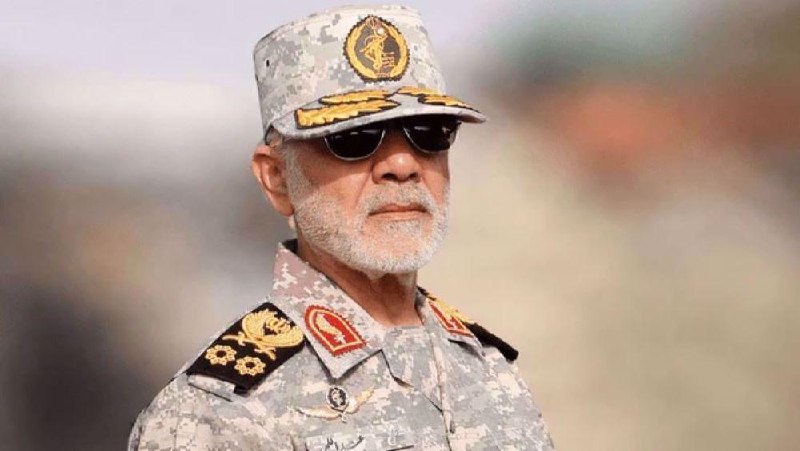
Iran's Esteghlal Football Club has secured its professional operating license, the club's Acting Managing Director Ali Tajernia announced via Iranian state media on 21 May 2026, bringing the Tehran institution into compliance with continental competition requirements.
The announcement ends months of uncertainty around whether the two-time AFC Champions League finalist would meet the licensing threshold imposed by Asian football's governing body. Clubs that fail to obtain the license are barred from entering continental tournaments, a sanction that carries significant financial consequences given the revenue streams attached to AFC competition participation.
What the License Means for Iranian Football's Landscape
The AFC Club Licensing System, administered through national football federations, requires clubs to meet standards across financial health, sporting infrastructure, administrative capacity, and legal compliance. Iranian clubs have faced increasing pressure to professionalise their operations since the framework's full implementation, with some institutions struggling to document basic corporate governance.
Esteghlal, founded in 1945 and based in the capital, has historically operated as a semi-professional entity embedded in Iran's sporting bureaucracy. The club's fanbase, among the largest in the country, has periodically raised concerns about governance opacity and financial sustainability. The licensing announcement suggests the club has addressed at least the minimum documentation requirements, though the specific criteria met were not detailed in the statement from Tajernia's office.
Financial Stakes Behind the Compliance Push
The commercial logic is straightforward: an AFC competition berth generates broadcast revenue, sponsorship income, and gate receipts that semi-professional Iranian clubs cannot easily replicate domestically. Iran's clubs have historically underperformed financially compared to regional peers in Saudi Arabia and Qatar, where state-linked ownership models have allowed aggressive investment in playing squads.
For Esteghlal specifically, the license opens a pathway to continental competition revenue that the club's strained balance sheet reportedly needs. The club has carried debt obligations for several seasons, and participation in AFC competitions—conditional on licensing—represents one of the more viable near-term levers for revenue diversification.
Structural Pressures on Iranian Club Football
Iran's football economy operates within constraints that distinguish it from Gulf state models. Private equity has shown limited interest in Iranian clubs due to sanctions-related financial risk, while state institutions that have historically funded operations face their own fiscal pressures. Against this backdrop, the AFC licensing framework functions as a forcing function for administrative modernisation—a external standard that internal reformers can invoke against institutional inertia.
Whether Esteghlal's licensing represents genuine structural reform or primarily documentation compliance remains unclear from the available reporting. Clubs that achieve license status on paper but continue operating on informal financial arrangements sometimes face difficulties when actual competition obligations arise.
What Remains Unknown
The announcement does not specify which licensing criteria the club satisfied or whether any conditions were attached to the license grant. The AFC licensing system allows national federations some discretion in implementation, and the transparency of the process varies across member associations. Readers of the Tasnim report will note that the announcement came from the club itself rather than the Iran Football Federation, making independent verification of the specific compliance findings impossible at time of publication.
Iranian football's two major clubs—Esteghlal and Persepolis, their cross-town rivals—are both now licensed for continental competition. Whether the licensing standard translates into sustainable operations or merely represents a regulatory formality will become apparent as the next season's financial filings and competition performances emerge.
—
This article is based on a single announcement carried by Iranian state-affiliated media. Monexus does not have independent confirmation of the specific licensing criteria met. The desk will update if the Iran Football Federation or AFC publishes a formal licensing register.
Wire provenance
This editorial synthesis draws on the following public wire/social posts:
- https://t.me/tasnimnews_en/42189