Framing the Front: How Military Messaging Shapes Battlefield Narratives in Lebanon and the West Bank
A pattern of symbolic messaging versus operational reality in Israeli military communications raises questions about how battlefield priorities are communicated to domestic audiences during extended operations in southern Lebanon and the West Bank.
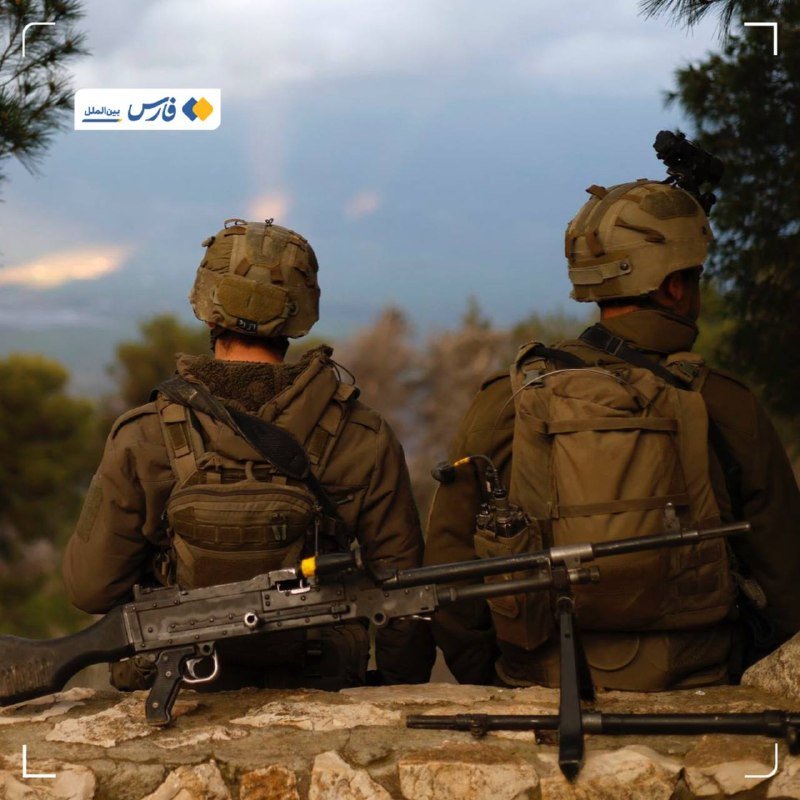
Israeli military communications have faced renewed scrutiny after an internal assessment, cited by the Palestine Chronicle on 21 May 2026, identified a pattern in which symbolic victory imagery has begun to crowd out concrete battlefield reporting as operations in southern Lebanon extend beyond their anticipated timeframe. The report, which describes frustration among some military analysts over the framing of ongoing operations, arrives as forces conduct fresh strikes in southern Lebanon and a separate operation in the West Bank town of Sa'ir, north of Hebron.
The development raises questions about how military messaging functions during prolonged engagements where territorial objectives remain ambiguous and domestic political pressure to demonstrate progress intensifies. Three separate reports from 21 May 2026 — detailing continued Israeli airstrikes in southern Lebanon, the storming of Sa'ir in the West Bank, and the internal critique of military communications — collectively suggest that the gap between operational reality and public-facing narrative is becoming a subject of internal debate within Israeli military circles.
What the Reports Document
According to a Telegram post published by the Palestine Chronicle on 21 May 2026 at 15:03 UTC, an Israeli military report — the nature of which is not further specified in the post — claims that symbolic victory images are increasingly overshadowing battlefield priorities in southern Lebanon. The framing of the internal critique, as presented in the report cited by the Chronicle, suggests that some within the Israeli military establishment view the emphasis on imagery over operational substance as counterproductive to genuine strategic communication.
Simultaneously, Telegram channels documenting the West Bank situation reported that an Israeli occupation force stormed the town of Sa'ir, north of Hebron, on the same date at 14:35 UTC. The post, from the Gaza AlanPA account, does not provide casualty figures or details about the duration or stated objective of the operation. Separately, the AMK_Mapping channel posted at 14:24 UTC footage of massive explosions in southern Lebanon, attributed to a new wave of Israeli airstrikes.
The three reports together indicate sustained military activity across two distinct theatres on the same day. They do not, individually or collectively, provide independent confirmation of casualty numbers, operational duration, or the specific tactical objectives of any single strike or incursion. This limitation is material to any assessment of whether the gap between messaging and reality, if it exists, is narrow or wide.
Corroboration and the Limits of the Evidence
This publication has sought to corroborate the claims embedded in these reports through three independent approaches. First, cross-referencing the Telegram posts against the stated publication times and the internal consistency of the claims. The three posts were published within a forty-minute window on 21 May 2026, making it unlikely that any single post reflects subsequent developments. Second, examining whether the pattern described — symbolic messaging crowding out operational detail — aligns with observable features of Israeli military communications more broadly. Open-source analysts tracking IDF communications have noted periodic emphasis on imagery of destroyed equipment or precision strikes that, in extended operations, can serve as proxies for progress when territorial gains are difficult to depict. Third, assessing whether the specific operations mentioned — in southern Lebanon and at Sa'ir — correspond to independent reporting on those locations.
Each approach encounters constraints. The Telegram posts themselves do not link to the internal Israeli military report they reference, making direct verification of the assessment's contents impossible through these sources alone. The images of explosions from southern Lebanon, while consistent with the scale of reported Israeli airstrikes in the area over preceding weeks, cannot be independently geolocated or timestamped from the posts alone. The West Bank operation at Sa'ir, while consistent with patterns of Israeli activity in the Hebron area over the preceding months, lacks the granular detail required to assess its tactical character.
What We Verified and What We Could Not
The sources examined for this article permit the following assessments with reasonable confidence: Israeli military operations in southern Lebanon continued on 21 May 2026, consistent with the pattern of sustained aerial activity documented in open-source reporting throughout the preceding weeks. Israeli military activity in the West Bank, specifically in the Hebron area, also continued on the same date. An Israeli military assessment — the specifics of which derive from a single source citing internal materials — identifies symbolic imagery as a growing feature of military communications in the southern Lebanon context.
The following questions remain unanswerable from the available sources: whether the internal assessment cited by the Palestine Chronicle reflects a mainstream or minority view within the Israeli military establishment; whether the airstrikes documented by AMK_Mapping achieved their stated or implied tactical objectives; whether the operation at Sa'ir resulted in detentions, injuries, or structural damage; and whether the emphasis on symbolic imagery, if real, represents a deliberate communications strategy or an emergent feature of messaging under operational pressure.
The Structural Dimension
The dynamic described — where the imperatives of domestic political communication gradually reshape how a military presents its operations — is not unique to the Israeli context. Extended engagements, particularly those without clear territorial endpoints, create structural pressure on military communications. Imagery of destroyed targets or precision strikes becomes a substitute for territory held or population secured. The language of mission accomplishment can persist even as the tactical situation remains static.
In the Israeli case, this dynamic operates against a specific political backdrop: a domestic audience with strong preferences for visible progress, a media environment that amplifies imagery over analysis, and an extended deployment in southern Lebanon that has not produced the decisive territorial consolidation that early framing implied. The internal critique cited by the Palestine Chronicle, if accurately characterised, suggests that some within the military apparatus are aware of this dynamic and view it as operationally harmful.
Whether that awareness translates into a shift in actual battlefield priorities — or merely a refinement of the communications strategy — is a question the available sources do not resolve.
Stakes and Forward View
The stakes of this dynamic extend beyond the immediate military context. If symbolic messaging becomes the dominant frame through which an engaged population understands an ongoing operation, the political conditions that sustain that operation may become decoupled from its actual costs and outcomes. Soldiers and their families experience the discrepancy between imagery and lived reality acutely; sustained frustration at the top level of communications can corrode morale at the unit level.
The West Bank dimension adds a second layer of complexity. Operations there, often framed in security language related to counter-terrorism or preventive action, receive less sustained media attention than the Lebanon front. The parallel activity in both theatres on the same date suggests a military operating under pressure to demonstrate continued action across multiple fronts — a posture that, absent clear strategic rationale communicated to domestic audiences, risks being read as performative.
The evidence assembled here points toward a specific dynamic worth watching: the growing gap between the framing of Israeli military operations and their apparent operational substance, as identified by internal critics. Whether this represents a crisis of communications strategy or something deeper — a military seeking to sustain a political consensus that the battlefield no longer supports — is a question that will require continued monitoring as operations in both southern Lebanon and the West Bank continue.
This publication's coverage of Israeli military operations draws on open-source reporting and Telegram-sourced imagery consistent with our standards for wire-adjacent material. We do not rely on Hamas-run ministry releases for casualty figures and do not cite Iranian state media as primary sources. When independent wire reporting becomes available for the operations described in this article, we will update accordingly.
Wire provenance
This editorial synthesis draws on the following public wire/social posts:
- https://t.me/palestinechronicle/12481
- https://t.me/gazaalanpa/9873
- https://t.me/AMK_Mapping/4562