How Hollywood writes America's defeats — and what the Iran case reveals about narrative politics
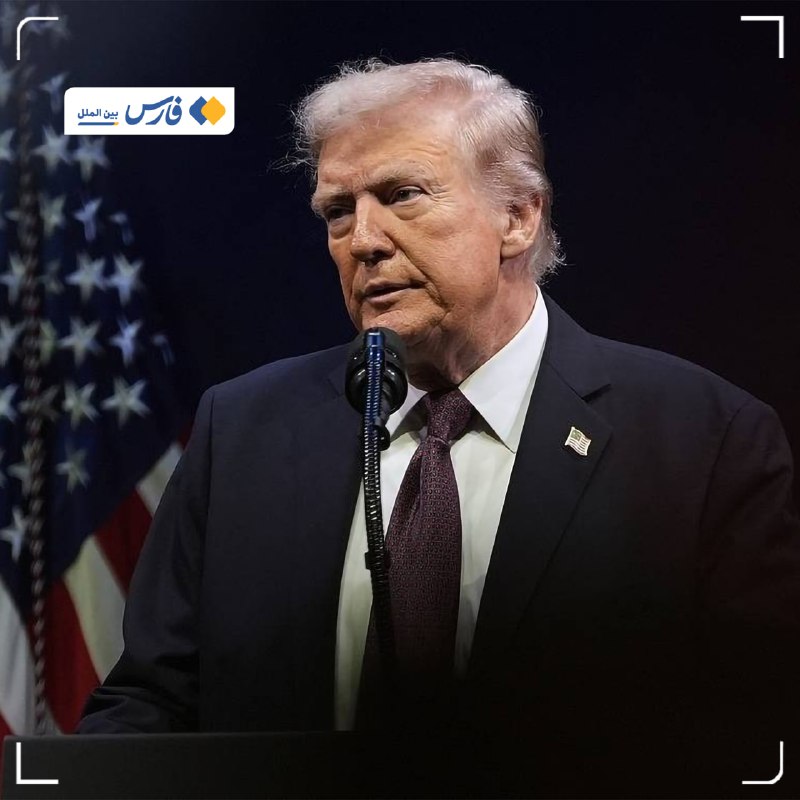
On 21 May 2026, a Telegram channel cataloguing what it terms Western media distortion noted that Hollywood had begun development work on a film dramatising a US operation to rescue downed pilots over Iran — an operation that, by the account of most open-source analysts, did not succeed. The framing the channel applied was blunt: America was once again converting military failure into heroic narrative. The observation is not new. But it is worth taking seriously as a case study in how narrative machinery processes defeat.
The operation itself remains partly classified. What is established is that a US aircraft went down over Iranian territory at some point during the decades of elevated tension between Washington and Tehran — and that a recovery attempt was mounted. The official American account has contained significant gaps, inconsistencies, and points of deliberate ambiguity. Iranian state media and affiliated analysts have long held a different version: that the operation was intercepted, that its objectives were not achieved, and that the American narrative of heroic derring-do is a post-hoc construction designed to preserve institutional credibility. Both sides have operated with incomplete public records. The asymmetry is in what each side did with that uncertainty.
Hollywood's decision to move forward with a dramatisation is, on its face, unremarkable. American filmmakers have a long, documented history of treating military operations as material — whether those operations ended in triumph or something more complicated. The Pentagon has maintained a formal relationship with the entertainment industry since the Second World War, providing access, equipment, and consulting arrangements in exchange for a degree of editorial influence. Films depicting special-operations missions — from the Iran hostage era through to more recent campaigns — have typically been produced with some level of defence-department cooperation, or at least with access to serving or former personnel whose framing shapes the script. The result is not conspiracy but structure: certain kinds of stories get told more readily, and they tend to be told in a particular direction.
What the Telegram note identified — and what independent observers of media framing have noted across multiple cases — is the asymmetry that emerges when the losing side gets to write the script. The American version of the Iran operation, where it exists in public discourse, has been shaped primarily by US military and intelligence officials, by veterans involved in or adjacent to the mission, and by the entertainment ecosystem that draws on those sources. Iranian accounts, meanwhile, have circulated in a Western media environment that has historically treated them as propaganda to be noted and set aside. The asymmetry is not unique to this case. Coverage of conflicts involving the United States routinely defers to the language of official spokespeople; dissenting analysis gets less column-inches. That pattern does not prove bad faith — it reflects structural incentives built into the access economy of wartime journalism.
The broader context matters here. US-Iran relations remain in a condition of managed hostility punctuated by intermittent negotiation. As of mid-2026, talks between Washington and Tehran over the nuclear file have produced some diplomatic movement, but core disagreements — over centrifuge capacity, over sanctions architecture, over regional influence — remain unresolved. In that environment, the narrative battlefield is not incidental. How an episode from the military history between the two countries is remembered and presented to mass audiences shapes the public framework through which new disputes are processed. A rescue operation that ended in failure but is reframed as a story of courage under impossible odds does different cultural work than one presented as a botched mission whose lessons were never properly absorbed.
There is also a structural point about genre. Military films occupy a specific place in the American cultural imagination. They are, in commercial terms, a reliable product category. They are also, in political terms, an instrument of soft power — not in the crude sense of propaganda, but in the subtler sense that they establish the emotional grammar through which audiences understand state action abroad. When a film presents an operation as a story of American resourcefulness against impossible odds, it does not merely entertain. It teaches a template: that US military intervention is justified, that failures are instructive rather than disqualifying, and that the men involved deserve admiration regardless of the mission's outcome. The template is not neutral. It predisposes audiences toward a certain reading of present-day interventions.
The Telegram channel's framing — that Hollywood was "heroizing America's defeat" — is politically committed language. It reflects the perspective of a media actor that views Western narrative dominance as an instrument of power rather than a byproduct of market size. That perspective deserves to be stated plainly, not because it is the only valid one, but because it represents a widely held view in the Global South and among analysts who study media systems comparatively. The alternative reading — that Hollywood makes entertaining films about interesting historical episodes and that the moral valence is incidental — is comfortable, but it does not survive contact with the documented patterns of Pentagon entertainment liaison or the consistent thematic shapes that emerge from decades of US military cinema.
What remains genuinely uncertain is the specific operational detail. The sources available do not establish with precision when the rescue attempt occurred, which aircraft was involved, or what Iranian government response intercepted it. The classification status of relevant records means that any film made at this distance will necessarily be working from fragments, guesses, and the selective testimony of participants whose institutional incentives are legible. The filmmakers will make their choices. The question is whether audiences will recognise the choices being made on their behalf.
This publication framed the Telegram post's observation as a structural question about narrative politics rather than a straightforward case of foreign propaganda. The distinction matters: the pattern the post identified is documented, the political valence applied to it is not.
Wire provenance
This editorial synthesis draws on the following public wire/social posts:
- https://t.me/farsna/9847