Iran's Hormuz Tolls Are a Quiet Act of Coercive Infrastructure Control
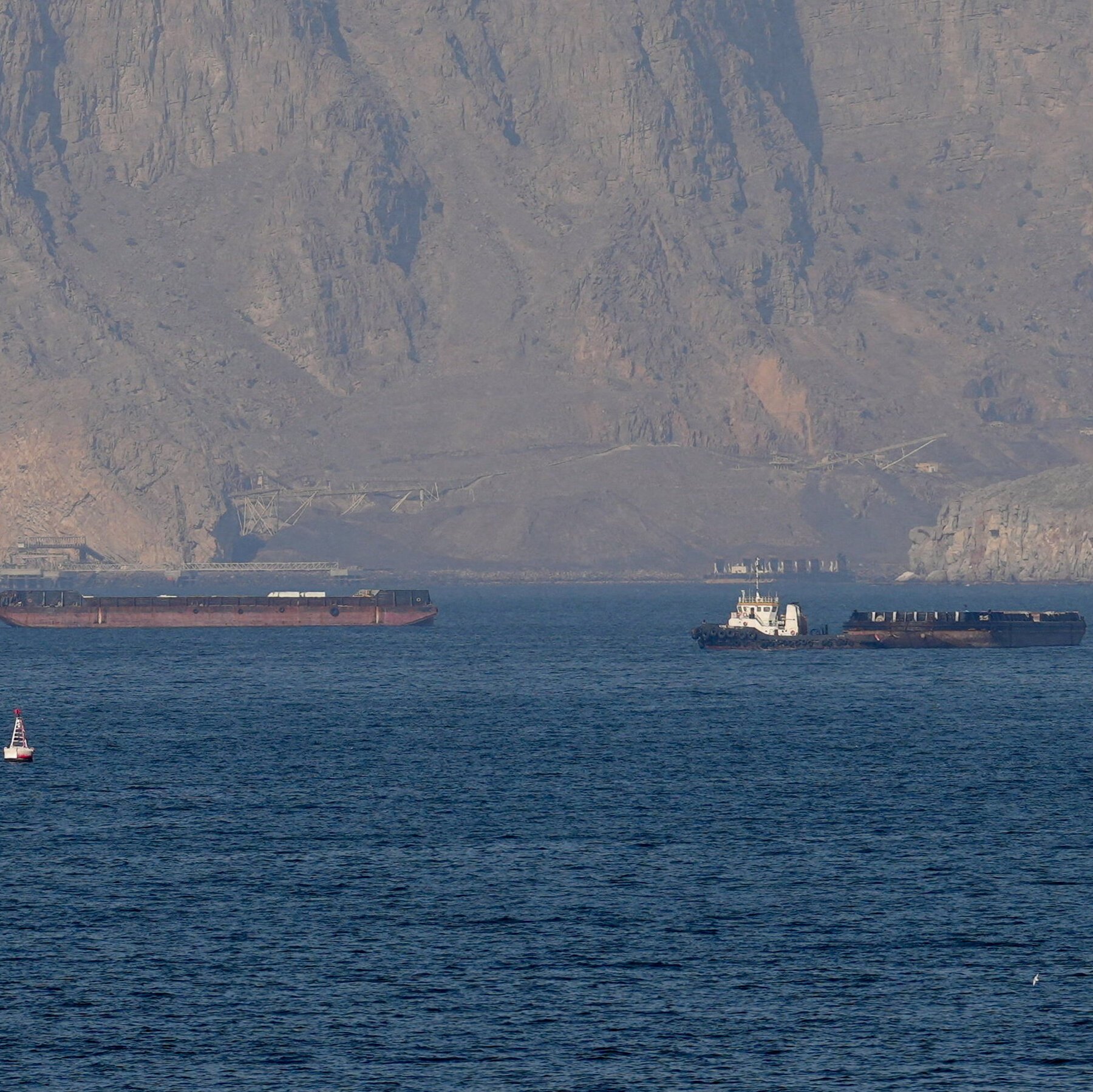
On a single day this week, thirty ships paid Iran's toll to transit the Strait of Hormuz — the world's most critical oil chokepoint. The incident, barely noticed in Western capitals, is a quiet act of coercive infrastructure control with few precedents in the post-war order. It is also a test: one the United States and its Gulf allies have yet to answer.
The Strait of Hormuz handles roughly 20 to 25 percent of global oil trade and 30 percent of global liquefied natural gas flows. Any disruption sends immediate shockwaves through energy markets. Iran knows this. Tehran has long used the Strait as a latent threat, but what happened this week is different — it is not a bluff or a warning shot. It is a functioning, revenue-generating system for extracting fees from international shipping.
The mechanism appears straightforward: shipping companies or their insurers negotiate a fee with Iranian authorities, pay it, and receive a transit permit. On May 21, 2026, thirty such permits were issued, according to a report by the Telegram channel Megatron Ron. Alongside this, Iran published a new map claiming military oversight authority over more than 22,000 square kilometers of waters around the Strait — a territorial assertion that, if left unchallenged, effectively redraws the boundaries of what international law permits in one of the world's most strategically vital corridors.
The Iranian Case, Made in Structural Terms
The Iranian position is not without logic. Freedom of navigation in the Strait of Hormuz has been enforced — not by international treaty, but by the presence of the US Fifth Fleet. Iran has long challenged that arrangement, arguing that unilateral American military dominance in international waters is itself a form of lawlessness. The toll regime can be framed as a regulatory alternative to that dominance: Tehran is not blocking the Strait, the argument runs, it is charging for the service of safe passage through waters it has the capacity to make dangerous.
This framing will strike Western observers as self-serving. But it is worth stating plainly: other major chokepoints operate on exactly this basis. The Suez Canal charges tolls. The Panama Canal charges tolls. Turkey charges fees for transit of the Turkish Straits. The precedent Iran is invoking is not exotic — it is the standard global arrangement for critical infrastructure. Tehran's position is that the US Navy's enforcement of free passage has always been a political choice, not a legal obligation, and that political choices can be renegotiated.
The counterargument is that Hormuz is not Suez or Panama — it is partly Omani sovereign territory and partly international waters protected by customary international law. The US presence has been an exercise of hard power, yes, but one embedded in a broader alliance architecture that includes Saudi Arabia, the UAE, and other Gulf states whose exports depend on open transit. Iran's toll system is not a regulatory improvement. It is the extraction of rent by a regional power that has the capacity to disrupt but not to replace the existing order.
The Shipping Industry's Quiet Accommodation
Here is the uncomfortable truth: the system works because the shipping industry is cooperating with it. Thirty vessels in a single day paid the fee and received their permits. No images of Iranian gunboats intercepting tankers. No dramatic standoff. Just a commercial transaction, processed efficiently, in a corridor that handles one-fifth of the world's oil.
Shipowners have calculated that the cost of paying is lower than the cost of refusing. That calculation reflects both the genuine danger of confrontation with Iranian naval assets and the absence of any credible Western enforcement mechanism that would make non-payment the rational choice. US Fifth Fleet patrols remain active, but they cannot physically escort every vessel through waters Iran has claimed — not without triggering the very escalation that Washington has spent decades trying to avoid.
China, meanwhile, has said nothing. Beijing imports roughly 10 million barrels of oil per day, much of it from the Gulf, and relies on safe transit through Hormuz for its energy security. One might expect China to push back against Iran's toll regime. Instead, Chinese state-owned tanker companies have reportedly been among the most willing participants — their vessels carry Iranian oil under sanctions-covered arrangements anyway, and the toll adds a relatively minor cost to an already sanction-burdened supply chain.
What Comes Next
The question is not whether Iran will continue collecting tolls. It will. The economics of the Strait make resistance costly and accommodation cheap. The question is whether the international community will accept the arrangement as a fait accompli or mount a coordinated response.
Saudi Arabia and the UAE have the most to lose. Their oil exports flow through the same waters Iran now controls. They have relied on American naval dominance to guarantee free passage — but that dominance is less reliable than it was five years ago, and both Riyadh and Abu Dhabi know it. A Gulf state that cannot guarantee its own export corridors is a Gulf state that loses leverage with every passing year.
The US position remains ambiguous. Washington reaffirms freedom of navigation in every public statement. The Fifth Fleet continues to operate. But a toll system that shipping companies voluntarily comply with is harder to confront than a blockade — there is no dramatic violation to respond to, no clear legal threshold crossed. Iran has found a way to change the facts on the water without triggering the kind of incident that would force a US response.
That is precisely what makes this significant. The Strait of Hormuz has long been described as the world's most important oil chokepoint — a phrase that conveys its strategic centrality without capturing the political tension that surrounds it. What Iran has done is move that tension from the realm of military threat to the realm of commercial reality. Thirty ships paid the fee on a single day. The number will grow. The toll will normalize. And the architecture of the global oil trade will quietly, irreversibly, shift.
This publication covered the Hormuz toll story differently from the wire services, which led with Iranian state framing of the map claim. Our analysis foregrounds the commercial accommodation by shipping companies — the mechanism that makes the toll regime durable in a way that military threats never were.
Wire provenance
This editorial synthesis draws on the following public wire/social posts:
- https://t.me/megatron_ron/4821
- https://x.com/polymarket/status/1992456789125038112