Iran's IRGC leaks US intelligence assessment as Pezeshkian rallies domestic audience
An IRGC Intelligence Organization summary citing US agency assessments that time works against Iran surfaced on 21 May 2026, alongside public statements from President Masoud Pezeshkian on national sacrifice and readiness. The combination frames resilience to Western pressure as both strategic necessity and patriotic duty, with the leak itself possibly serving as the opening signal in a wider diplomatic contest.
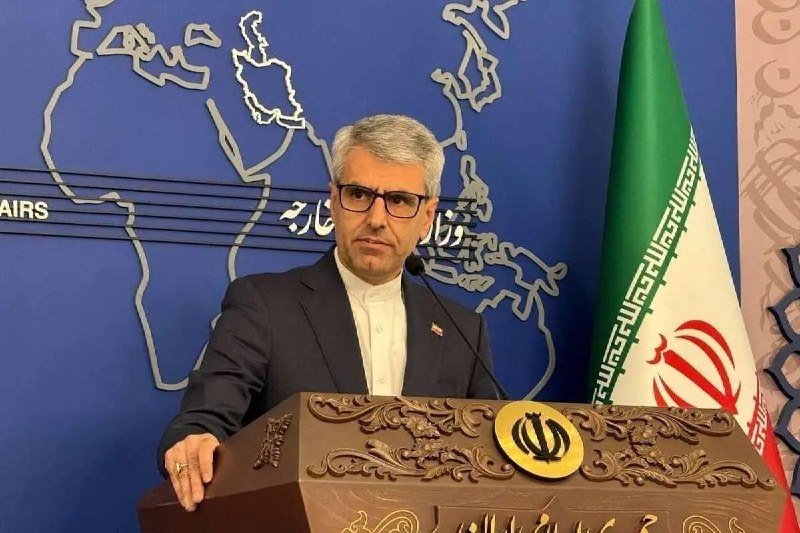
On the afternoon of 21 May 2026, an IRGC Intelligence Organization summary began circulating through several state-aligned Iranian news channels. The document did not read like a classified leak intended to remain hidden. It read like one intended to be read — and it named its audience: Tehran's decision-making class.
According to the summary, as published by Mehr News and amplified by Tasnim and Alalam's Persian and Arabic feeds, American intelligence agencies have concluded that the passage of time is not in Iran's favor. The IRGC characterized this as an accurate reading of US strategy and used it as the basis for an internal recommendation: Iran must take the initiative rather than absorb pressure indefinitely. Within hours, President Masoud Pezeshkian delivered a parallel message to a conference of Iranian storytellers in Tehran, invoking sacrifice, dignity, and national honor. The two tracks — intelligence assessment and presidential rhetoric — appeared choreographed, not coincidental.
The document and what it claims
The IRGC Intelligence Organization summary was published on the afternoon of 21 May 2026 across multiple state-aligned channels, including Mehr News and Tasnim. The document frames itself as an analysis of US intelligence conclusions rather than an Iranian policy position. Its core claim is straightforward: American agencies assess that Iran faces a deteriorating situation — that waiting serves Washington's interests more than Tehran's. The IRGC then draws an operational conclusion: to escape what it describes as a multi-layered predicament, Iran must take initiative and demonstrate threat capacity rather than wait for conditions to worsen.
The framing is notable for its analytical directness. The IRGC is not dismissing the US assessment as propaganda; it is calling it correct and using that accuracy as the basis for internal urgency. That approach signals to Tehran's decision-making apparatus that the leadership is treating the American intelligence picture as a genuine constraint, not as an bluff to be called.
Whether this represents a coordinated strategic signal to Washington — a leaked document intended to communicate through back channels that Iran knows its position and is calculating its exit — or an internal debate surfaced publicly is the question observers will attempt to answer in the coming days.
Washington and its leverage calculus
The US assessment that time works against Iran is consistent with a decade of strategic reasoning: sanctions designed to degrade the Islamic Republic's oil revenue and banking access, a maximum pressure campaign initiated in 2018, and diplomatic negotiations structured around phases that reward compliance incrementally. The underlying theory is that each year of delayed enrichment progress tightens Iran's eventual breakout timeline and increases the cost of any eventual nuclear move.
That calculus has produced real effects. Iranian oil exports have operated under significant restriction, the rial has depreciated sharply, and the economic strain on the general population has been a persistent background condition. Whether this pressure has produced the political change the architects of maximum pressure anticipated is a separate question — the IRGC document implicitly acknowledges the pressure without conceding it has succeeded.
The document also suggests Iranian strategists are aware that the current moment carries specific urgency. Negotiations over Iran's nuclear programme are ongoing in a format that has previously produced temporary agreements and partial sanctions relief. The assessment that time is not on Tehran's side implies that the diplomatic window currently available is considered finite — and that Iran's team in those talks faces a clock whether or not the US intends one.
Regional positioning and the diplomacy question
The IRGC assessment arrives at a moment when Iran's regional standing has shifted in ways that complicate the US pressure calculus. Following the Gaza conflict that began in late 2023 and extended through 2024, Tehran's so-called axis of resistance — Hezbollah in Lebanon, Hamas in Gaza, Houthi forces in Yemen — experienced significant disruption. Israeli operations degraded Hezbollah's military infrastructure and eliminated its senior leadership. Hamas lost operational capacity in much of Gaza. The Houthis, however, demonstrated persistence, holding a negotiating position over a ceasefire that frustrated both Washington and Tel Aviv.
That resilience, combined with Iran's relatively restrained direct response to Israeli operations on its territory in April 2024, signaled a Tehran that was willing to absorb provocation rather than escalate to a direct confrontation it could not control. The IRGC document's emphasis on initiative and threat capacity needs to be read against that backdrop. The axis is diminished but not destroyed. Iran retains options in Iraq, in the Gulf, and in its nuclear programme — each of which carries escalation risk that constrains how Washington can apply pressure without triggering the very confrontation it is trying to prevent.
What comes next
The timing of the IRGC summary — published and amplified through state channels, not surfaced by a Western intelligence leak — suggests deliberate action. The document performs multiple functions simultaneously: it tells Iran's domestic elite that the leadership is reading the same intelligence as Washington and drawing the same conclusions; it signals to regional adversaries that Iran is aware of its vulnerabilities and is calculating responses; and it may function as an indirect communication to Washington that Iran understands the pressure architecture and is not prepared to wait indefinitely for the situation to worsen further.
The sanctions architecture compounds pressure. The IRGC assessment is essentially a diagnostic document: it reads US strategy correctly while proposing a countermove. Whether Tehran acts on it is a separate question from whether it has surfaced the document publicly. The latter action — making an intelligence assessment of this type visible — is itself a form of action. It changes how the conversation in Tehran unfolds and how the signal reaches Washington.
Pezeshkian's statements on dignity, sacrifice, and national honor serve a different function. They are calibrated for a domestic audience that has experienced economic pressure and wants rhetorical reassurance that the leadership shares its priorities. Together, the two tracks — the IRGC document and the presidential address — represent a state communicating in parallel registers: analytical clarity to those who need to know, resilience language to those who need to believe.
We framed this as an intelligence assessment surfaced deliberately, not as a propaganda release — the IRGC document's internal coherence and the timing of Pezeshkian's parallel remarks suggest coordinated communication rather than incidental disclosure.
Wire provenance
This editorial synthesis draws on the following public wire/social posts:
- https://t.me/mehrnews
- https://t.me/tasnimnews_en
- https://t.me/alalamarabic
- https://t.me/alalamfa