The Logic of Outrage: How Iran Weaponizes European Diplomatic Friction Over Gaza
Iran's foreign ministry has seized on an Israeli minister's photographs of Gaza activists to rebuild diplomatic capital with European capitals that have grown increasingly critical of Tel Aviv's conduct in the Strip — a move that exposes fault lines in Western alliance cohesion.
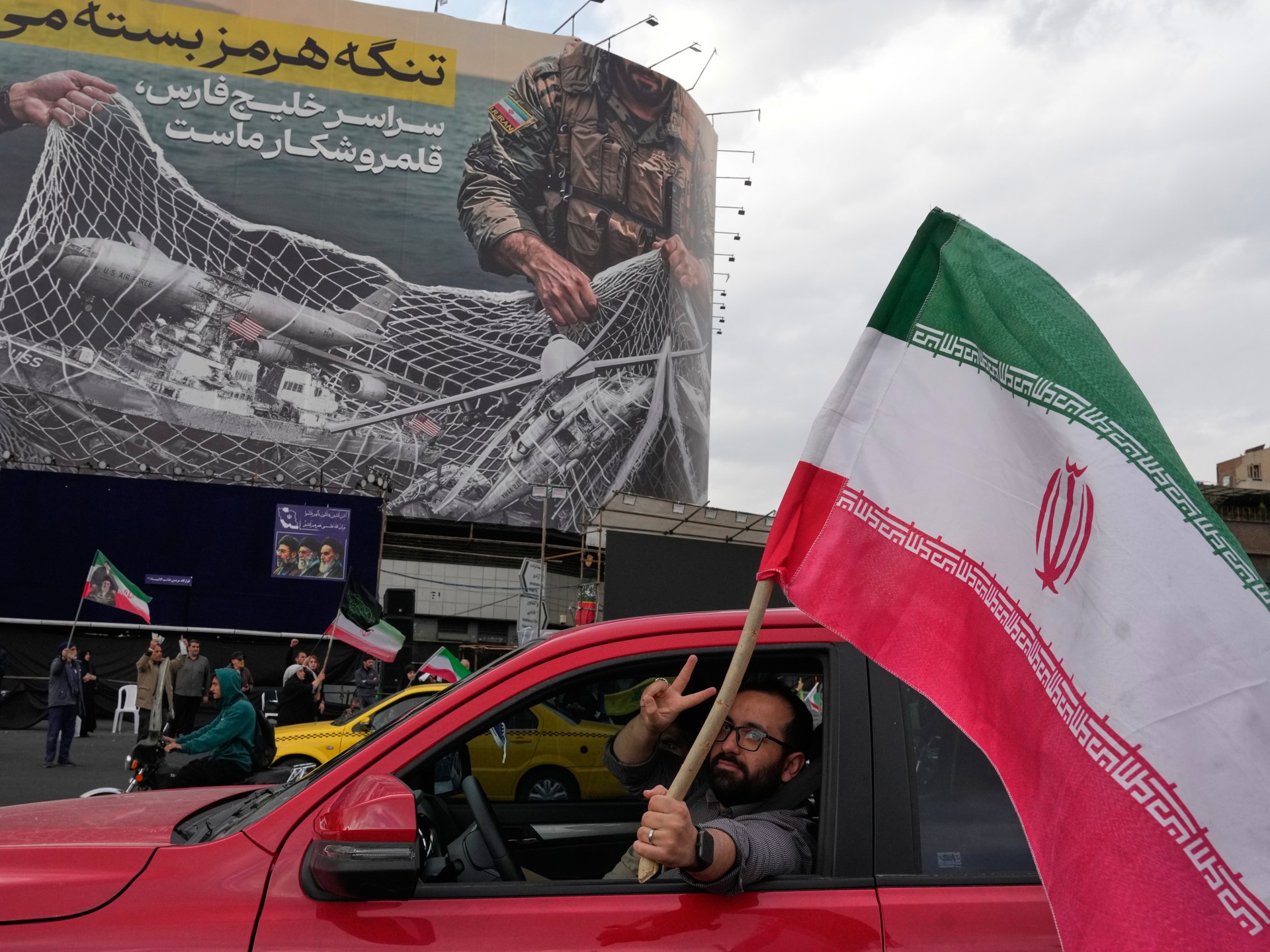
When Itamar Ben Gvir, Israel's far-right national security minister, published photographs showing Palestinian activists detained during a maritime aid attempt to reach Gaza, the diplomatic fallout moved faster than most Western capitals anticipated. Britain summoned the Israeli ambassador. The photographs, depicting activists from the Saqi aid flotilla in the custody of Israeli forces, drew public condemnation from a European government still navigating its own constituencies' mounting frustration with the duration and human cost of Israel's military operations in the Strip.
The episode would have been a routine diplomatic incident — irritating, but contained — had Iran not immediately converted it into a geopolitical instrument. Within hours of the British ambassadorial summons becoming public on 21 May 2026, Iran's Foreign Ministry spokesman Ismail Baqaei was briefing journalists in Tehran with a statement that threaded together historical reference, moral framing, and direct diplomatic challenge. Europe, Baqaei said, should learn from the experience of Nazism and cease what he characterized as deliberate inaction against law-breaking and crimes by the Israeli regime. The language was calibrated for European domestic audiences already熟 familiar with historical analogies deployed in pro-Palestinian activism — and it was deliberate in its precision.
The Pattern Behind the Statement
Iran's Foreign Ministry has long treated diplomatic confrontation as a messaging exercise conducted simultaneously for domestic, regional, and international audiences. The Baqaei statement on 21 May follows a documented pattern: Tehran identifies a Western diplomatic friction point involving Israel, amplifies it using language calculated to resonate with European publics, and then delivers that amplification through state-linked media channels — Tasnim, Mehr News, Fars — that maintain active English-language distribution operations targeting international perception management.
The choice of the Nazi comparison is not accidental. It is high-risk diplomacy, certain to alienate Western governments it claims to be addressing. But the audience Tehran is speaking to is not European foreign ministries. It is the bloc of Global South states, Arab public opinion, and domestic Iranian constituents for whom the Palestine issue remains a foundational grievance in their political identity. For those audiences, the failure of European states to take stronger action against Israel is itself evidence of complicity — and the Nazi framing converts that complicity into a historical indictment.
What makes the strategy structurally significant is its timing. European governments — France, Ireland, Spain among them — have over the past two years shifted toward more public criticism of Israeli conduct than at any previous point in the conflict. That shift has created a genuine diplomatic dilemma for Tel Aviv: it can no longer assume reflexive European solidarity. Iran's statements are designed to widen that crack, not to paper over it.
European Friction — Real but Limited
The British summons of the Israeli ambassador on 21 May is a matter of public record. It reflects genuine irritation within the Foreign Office at what officials described privately — and what was implied in the public statement — as unnecessarily provocative behavior by a serving minister. Ben Gvir's photographs, showing activists from the Saqi fleet in circumstances that drew wide attention on social media, created a diplomatic problem for a government that has publicly called for adherence to international humanitarian law while simultaneously maintaining arms export arrangements and diplomatic support for Israel's right to self-defense.
Britain's position is not anomalous. Several European capitals have been navigating the same contradiction: political pressure from domestic constituencies demanding action against Israeli settlement policy and military conduct, set against strategic commitments to NATO alliance coherence and bilateral defense cooperation that make public confrontation with Tel Aviv structurally costly. The result is a diplomatic posture that pro-Palestinian advocacy groups consistently characterize as inertia — and that Iran is now framing as moral failure.
The counterpoint is one that European diplomats privately acknowledge but rarely state publicly: there is a meaningful difference between public criticism and practical leverage. European states have limited tools to compel behavioral change in Israel. Arms export reviews have been undertaken in several jurisdictions, but total embargoes — which would require legislative action — have not materialized. Economic sanctions of the kind applied against Russia remain off the table. What Europe can do is issue statements, summon ambassadors, and vote against Israeli positions in international forums where it has standing. What Iran argues it cannot do — or will not do — is exercise meaningful constraint.
The Iran Calculus
Tehran's decision to elevate the Ben Gvir photographs to a diplomatic confrontation with Europe serves interests that extend well beyond the immediate bilateral relationship. Iran has watched European public opinion shift over the course of the Gaza conflict, and it has drawn two structural conclusions from that shift. First, that the Western alliance system governing European engagement with the Middle East is under genuine strain in a way it was not before October 2023. Second, that the most efficient way to exploit that strain is not through direct confrontation with European states — which would risk triggering the kind of united response that followed Russia's 2022 invasion of Ukraine — but through rhetorical amplification of contradictions that already exist.
The Baqaei statement on 21 May is, in this reading, a piece of strategic theater designed to do two things simultaneously. It feeds a domestic Iranian narrative of moral clarity and anti-imperialist solidarity. And it places European capitals on record — or at least places them in a position where their failure to act can be contrasted with their stated commitments — in language that will travel through Arabic and Persian-language media ecosystems and reach audiences that form the regional environment in which Iran's influence operates.
Whether the strategy produces tangible diplomatic results is a separate question. Iran's ability to offer European states anything they currently need — energy, migration cooperation, nuclear deal restoration, regional de-escalation — is constrained by the same sanctions architecture that Western states have maintained and deepened since 2018. Tehran cannot incentivize European action. It can only embarrass it.
What Remains Contested
The sources do not provide the full text of Baqaei's statement, and the specific language he used — including whether the Nazi reference was made in the exact terms reported by Iranian state media — cannot be independently verified by this publication from the wire reports available at time of writing. The British Foreign Office statement announcing the ambassadorial summons is referenced but not quoted verbatim. The photographs published by Ben Gvir and their precise content are known only through secondary description.
What is not contested is that the diplomatic incident occurred, that it triggered a formal British response, and that Iran immediately capitalized on it with a public statement designed for international distribution. The discrepancy between what European states say they will do to hold Israel accountable and what they demonstrably do — arms restrictions short of embargoes, diplomatic criticism short of sanctions — is real and observable across multiple bilateral relationships. Whether Iran is exploiting that discrepancy for principled reasons or for strategic advantage is a question the evidence does not resolve. That Tehran benefits from raising it is not in doubt.
The more structurally interesting question is whether European capitals have the institutional will to convert their public statements about international humanitarian law into the kinds of leverage — legal, economic, diplomatic — that might alter Israeli calculations. The track record across two years of conflict suggests they do not, or cannot. Iran is betting that this gap will eventually force a reckoning — and that when it does, Tehran will have positioned itself as the voice that warned Europe what inaction would cost.
This article was desked on 21 May 2026. Monexus covered the Ben Gvir photographs and the British ambassadorial summons as a diplomatic incident before framing it within the broader Iranian strategy. The wire services led with the bilateral friction; this piece led with the structural exploitation of that friction.
Wire provenance
This editorial synthesis draws on the following public wire/social posts:
- https://t.me/FarsNewsInt
- https://t.me/tasnimnews_en
- https://t.me/mehrnews
- https://t.me/JahanTasnim