Israeli Strikes Hit Southern Lebanon Town as Reports Surface of Systematic Looting by Occupying Forces
Israeli warplanes struck the town of Mansouri in southern Lebanon on May 21, 2026, as reporting emerged detailing statements from Israeli soldiers describing looting and resource extraction as a primary objective of their deployment in Lebanese territory.
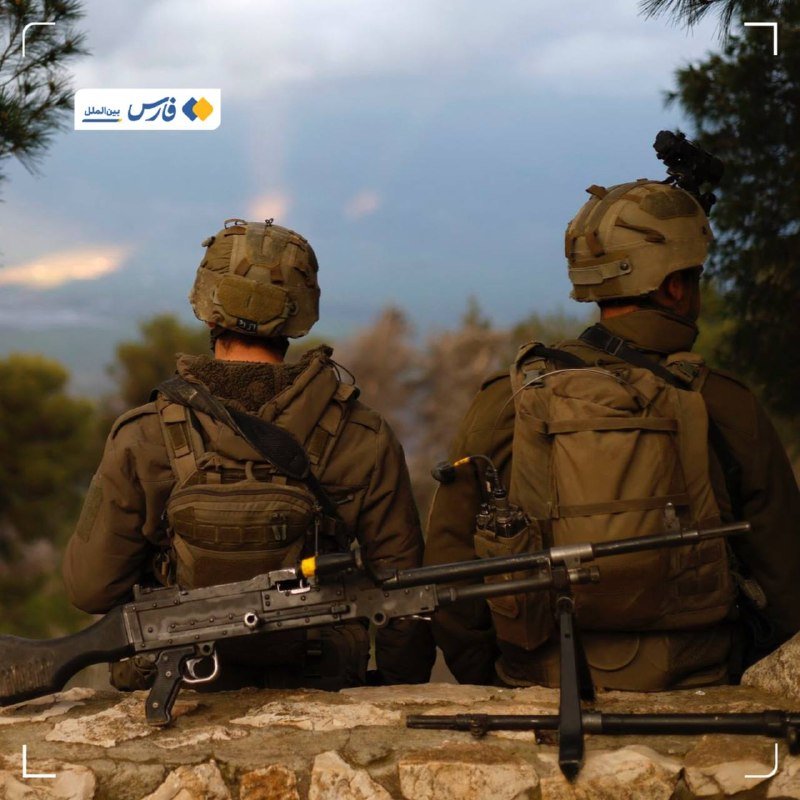
Israeli warplanes targeted the town of Mansouri in southern Lebanon on May 21, 2026, according to reporting from PressTV and The Cradle Media. The strikes marked an intensification of Israeli military operations in the border region, which has experienced sustained bombardment since October 2023. The timing coincided with the emergence of detailed reporting from Middle East Eye containing direct statements from Israeli soldiers who described systematic looting and resource extraction as a core mission objective during their deployment in Lebanese territory.
The soldier statements, attributed by Middle East Eye to personnel who participated in Lebanese operations, offer a rare firsthand account of practices that international legal experts have characterized as potential violations of the laws of armed conflict. The reporting raises questions about the stated objectives of Israel's northern military campaign and the extent to which resource extraction has structured operational planning in occupied zones.
Mansouri Strike and the Current Military Situation
Israeli fighter jets carried out strikes targeting Mansouri on the morning of May 21, 2026, according to PressTV and corroborated by The Cradle Media. The town lies in the Bint Jbeil district of southern Lebanon, a region that has seen some of the heaviest fighting since the expansion of Israeli operations into Lebanese territory. The IDF has not issued a public statement specifically addressing the Mansouri strike as of publication time, consistent with a pattern throughout the conflict of limited official communication regarding individual targeting decisions.
Southern Lebanon has been under intensive Israeli military pressure for over eighteen months. The strikes follow a period of relative tactical pause that observers had cautiously interpreted as potential space for diplomatic negotiation. Instead, the resumption of high-intensity bombardment suggests the Israeli military command has maintained its operational tempo regardless of diplomatic signals. The strikes on Mansouri occurred within a broader pattern of targeting that has affected residential infrastructure, agricultural facilities, and road networks throughout the region.
The human cost of continued operations in southern Lebanon has been substantial. Civilian infrastructure has suffered extensive damage, and the United Nations has documented repeated instances of residential buildings, medical facilities, and water systems being hit despite their protected status under international humanitarian law. Israeli officials have argued that Hezbollah positions were embedded within civilian structures, a justification that international law permits only under narrow conditions requiring proportionality and distinction.
Soldier Accounts and the Question of Mission Objectives
The Middle East Eye reporting, published on May 21, 2026, contains statements from Israeli soldiers describing what they characterized as the actual priorities of their operations in Lebanon. The most direct quote attributed to soldiers states: "Once we understood the area was safe, the real mission would begin - locating valuable things." The phrasing suggests a deliberate sequencing in which security operations served as a precursor to resource extraction rather than an end in itself.
The accounts describe systematic searches of residential properties, agricultural facilities, and commercial establishments in areas under Israeli control. Soldiers reportedly identified specific categories of items sought during these operations, though the Middle East Eye reporting does not provide complete detail on what was extracted or where it was taken. The newspaper attributes its reporting to soldiers with direct operational knowledge of the deployments in question.
Such accounts are difficult to verify independently given the restrictions on press access to occupied zones and the absence of international monitors in many areas where Israeli forces operate. The statements, if accurate, would represent a significant deviation from the stated justifications for the military campaign, which have focused on security concerns related to Hezbollah infrastructure and the return of hostages. They would also place the operations squarely within a legal framework that prohibits pillage and the appropriation of property by occupying forces.
Israeli military officials have not issued a specific response to the Middle East Eye reporting as of May 21. The IDF's public communications have consistently emphasized the defensive nature of operations in Lebanon and the measures taken to minimize civilian harm. The soldier statements, if they become the subject of official inquiry, would test the credibility of those assurances.
The Legal Framework and Historical Precedent
International humanitarian law establishes clear prohibitions on looting and the appropriation of property during armed conflict. The Hague Regulations of 1907, which form part of customary international law, prohibit pillage explicitly. Additional Protocol I to the Geneva Conventions, to which Israel is not a party but whose provisions largely reflect customary law, similarly prohibits theft of resources in occupied territory. The International Committee of the Red Cross has consistently maintained that these prohibitions apply regardless of the motivations attributed to occupying forces or the broader context of the conflict.
The pattern described in the soldier accounts would, if substantiated, constitute a serious violation of these legal frameworks. The designation of resource extraction as a mission objective transforms what might otherwise be isolated acts of misconduct into systematic policy. Legal experts who have monitored occupation scenarios across multiple conflicts note that the presence of explicit ordering language regarding looting typically triggers individual criminal liability for those issuing such orders and those carrying them out with knowledge of their character.
Historical precedent for systematic resource extraction during occupation exists in multiple contexts, with varying degrees of documentation and accountability processes. The legal and institutional infrastructure for investigating such practices in the current Lebanese context remains limited. Lebanon has referred aspects of the conflict to international legal mechanisms, but the scope of those referrals and the willingness of international bodies to pursue investigations against state actors with significant political protection remain contested questions.
Regional Implications and Diplomatic Trajectory
The combination of continued high-intensity strikes and allegations of systematic looting complicates whatever diplomatic calculations remain operative in the region. Lebanon's government has maintained that a ceasefire arrangement must address the question of occupied territory in addition to the return of hostages, a position that has received conditional support from key mediating governments. The reporting from Middle East Eye will likely be cited by Lebanese officials as evidence that Israel's objectives extend beyond the stated security rationale.
The diplomatic context includes active engagement by the United States, France, and regional actors attempting to broker an arrangement that would permit the return of hostages held in Lebanon and Israel while establishing conditions for a sustainable ceasefire. The allegations regarding mission objectives will add pressure to those negotiations by raising questions about what any agreement would actually resolve. Israeli officials have not publicly addressed the soldier accounts, and it remains unclear whether the Biden administration or European governments have sought clarification.
The structural dynamic here is one in which military operations on the ground continue to outpace diplomatic frameworks designed to contain them. Whether the allegations of systematic looting represent official policy or a pattern that emerged organically within units, they reflect an operational logic that treats Lebanese territory as a resource zone rather than an area under temporary occupation subject to legal constraints. That distinction will shape not only the immediate humanitarian situation but the longer-term prospects for regional stability and accountability.
This publication's reporting on the Mansouri strike relies primarily on Iranian state-affiliated wire service PressTV and The Cradle Media, with the soldier account sourced to Middle East Eye. Western wire services had not published independent corroboration of the specific soldier quotes at press time, a gap this desk notes as a limitation on the evidentiary record.
Wire provenance
This editorial synthesis draws on the following public wire/social posts:
- https://t.me/presstv
- https://t.me/thecradlemedia