Kyle Busch, Two-Time NASCAR Champion, Dies at 41
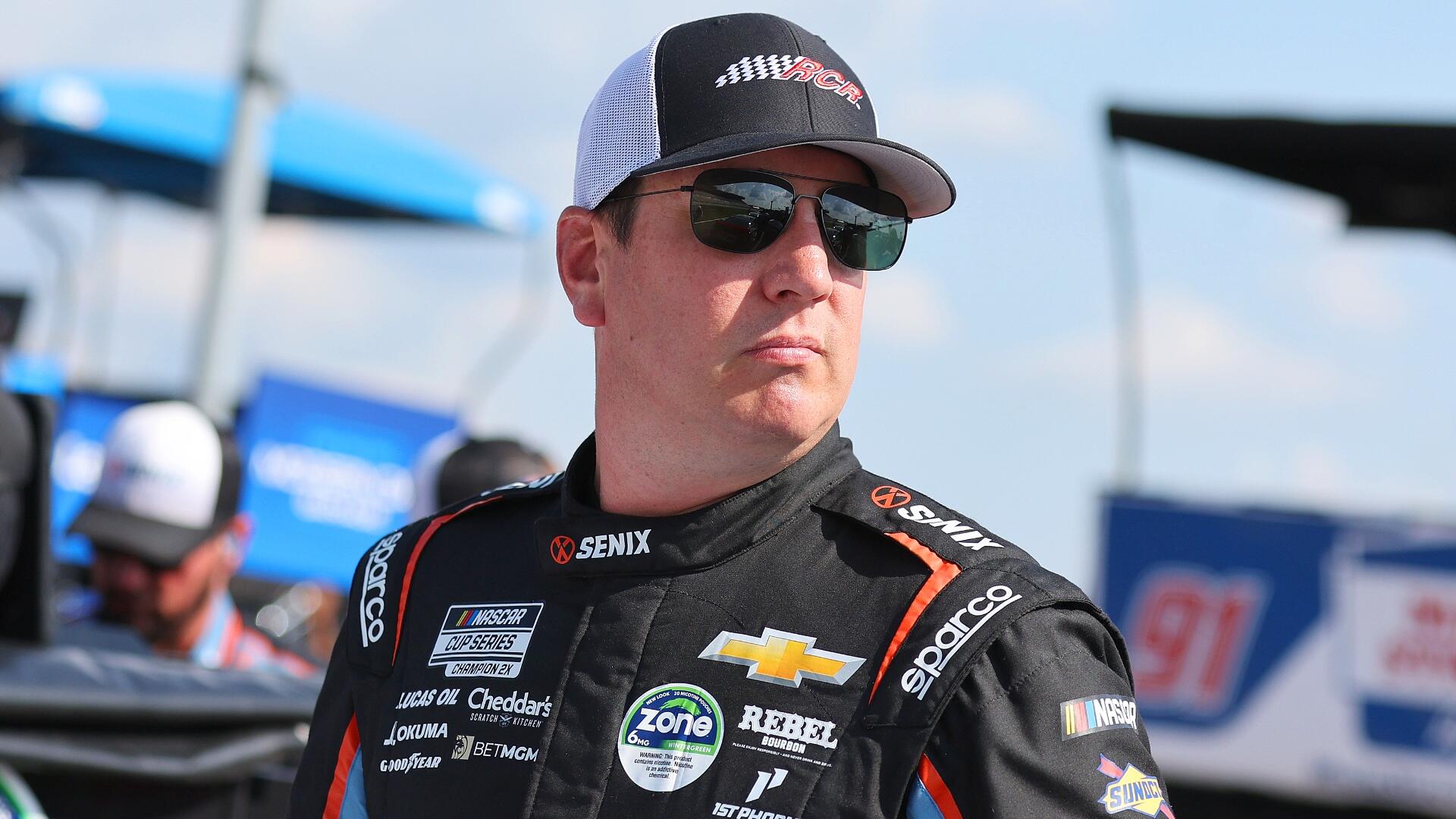
Kyle Busch, the most prolific winner in NASCAR history, died on 21 May 2026 at the age of 41 after being admitted to hospital with what multiple outlets described as a severe illness. A joint statement released by the Busch family, Richard Childress Racing, and NASCAR confirmed the death without specifying the underlying cause.
Busch's career defies easy summary. Across NASCAR's three national series — the Cup Series, Xfinity Series, and Camping World Truck Series — he accumulated more victories than any driver in the sport's modern era. His 93 Cup Series wins place him second only to Richard Petty and Richard Chalk on the all-time list, a milestone he reached while competing at a level that blended relentless aggression with tactical precision. He collected two Cup Series championships, in 2004 and 2015, and his willingness to run multiple series simultaneously — logging starts in the Xfinity and Truck Series even as he chased Cup titles — made him a singular presence in American motorsport.
The immediate reaction from the racing community arrived in a torrent. NASCAR issued a statement saying it was "heartbroken" to share the news. Richard Childress Racing, for whom Busch drove the majority of his Cup Series seasons, called him "irreplaceable." Fellow drivers and team owners took to social media within hours, describing Busch as a competitor who raised the standard for everyone around him. The tributes extended beyond the paddock: broadcasters who had covered his career noted his willingness to engage with the sport's expanding audience, his charisma in the garage, and his combative relationship with the press that, paradoxically, made him more compelling television.
The circumstances of Busch's final weeks remain partially obscured. Sources do not specify the nature of the illness that prompted his hospitalization, and neither the family statement nor NASCAR's announcement offered a cause of death as of the initial 21 May dispatches. The gap between admission and death was brief, according to Fox News reporting cited by multiple OSINT and wire feeds, giving the sport little time to process the loss before the announcement became public. This opacity is not unusual in the immediate aftermath of sudden deaths involving high-profile figures; the sources available do not yet establish a medical timeline beyond the hospital admission and the result.
What is documented is the magnitude of Busch's presence in the sport's economic and competitive architecture. His ability to run multiple series simultaneously — and win in all of them — made him commercially invaluable to tracks and series organizers. It also shaped how NASCAR's development ladder functions. Drivers ascending through the Xfinity and Truck Series knew they would eventually encounter Busch, often on short notice and in equipment they could not match. That pressure, drivers and analysts have long argued, accelerated the maturation of an entire generation of competitors. Whether NASCAR's current structure can produce a comparable figure is a question the sport has not had to answer until now.
The structural implications extend to sponsorship and media relationships. Busch's commercial appeal transcended the sport's core demographic, attracting partners across consumer goods, automotive aftermarket, and energy sectors. His willingness to market himself aggressively — including a near-fatal 2015 crash at Daytona that required emergency surgery — reinforced his box-office value. The business model he exemplified, combining on-track performance with off-track brand management, has become a template for how top-tier stock car drivers monetize their careers. Busch's death leaves a commercial vacuum that his competitors are structurally unlikely to fill in the near term.
The sporting record itself demands context. Busch's wins are distributed unevenly across surfaces, manufacturers, and race distances, but his supremacy in the Xfinity Series is beyond reasonable dispute — his 102 victories in that tier remain an open record. His Cup Series titles came with different teams and under different technical regulations, suggesting an adaptability that eludes most drivers who peak under a single era's constraints. The question of where he ranks in the historical hierarchy of American motorsport — alongside Petty, Gordon, Earnhardt, and the rest of the sport's pantheon — will generate debate for decades. The sources do not provide a direct Busch statement on that comparison, but the competitive record makes the conversation inevitable.
What remains genuinely uncertain is the public narrative that will crystallize around his death. In the immediate aftermath, the dominant frame is grief and legacy-construction: celebrating achievement, processing loss, and honoring a competitor who drove the sport's boundaries outward. That framing will not hold indefinitely. Questions about the circumstances of his final hospitalization, about whether broader health factors were in play, and about what obligations the sport bears toward athletes whose physical risk is structurally embedded in competition will surface as the initial wave of tributes recedes. The sources available at time of publication do not provide evidence sufficient to address those questions directly, and this publication will not speculate where the record is silent.
Kyle Busch was 41 years old. He leaves behind a family, a sport that he shaped more than most of its practitioners will acknowledge, and a statistical record that remains unmatched in its breadth. His death arrives weeks before the NASCAR calendar reaches its summer stretch, a period that draws the sport's highest live attendance and television audiences. The timing adds a layer of institutional reckoning that the sport's leadership will have to navigate publicly, with or without resolution.
This article was constructed from wire and OSINT feeds datelined 21 May 2026. Monexus noted that initial coverage focused heavily on the shock of the announcement and the immediate expressions of mourning from the racing community, with substantive reporting on the medical circumstances and career legacy developing in subsequent dispatches. This piece prioritizes the verifiable sporting record while flagging what remains undisclosed.
Wire provenance
This editorial synthesis draws on the following public wire/social posts:
- https://t.me/osintdefender/8471
- https://t.me/disclosetv/289341
- https://x.com/disclosetv/status/1924183374283247616