Pakistan Army Chief Munir Cancels Iran Visit as Diplomatic Arithmetic Shifts
Pakistan's Army Chief General Asim Munir has cancelled a reported visit to Tehran scheduled for 21 May 2026, according to multiple regional and intelligence-focused outlets. The cancellation, reported by Al Arabiya and amplified through Iranian state-adjacent channels without official confirmation from either government, arrives at a moment of acute sensitivity across the Middle East.
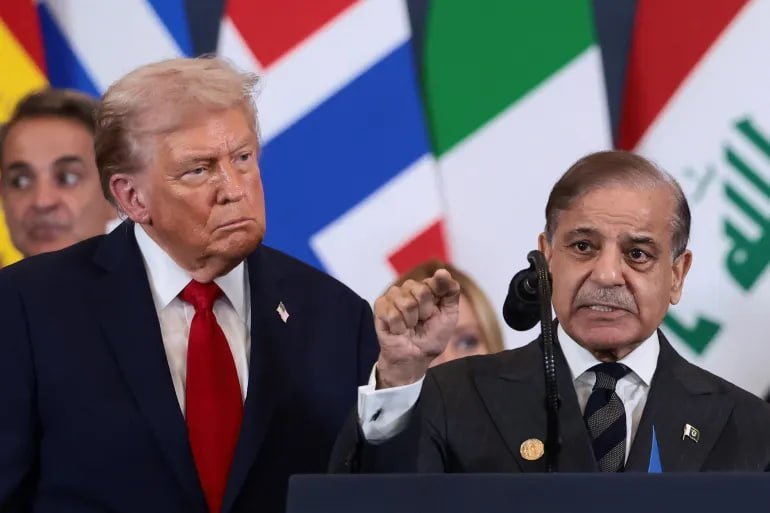
General Asim Munir, Pakistan's Chief of Army Staff, was reportedly due in Tehran on the evening of 21 May 2026. By nightfall, Al Arabiya was reporting — citing a senior source — that he would not be travelling after all. No official statement from either capital has explained the reversal. The episode, modest in formal substance, arrives at a moment when the margins of Middle Eastern diplomacy are narrow and the costs of visible missteps are high.
The timing matters. Western capitals are watching Iran's nuclear programme with renewed intensity. Israel's ongoing operations in Gaza and strikes targeting Iranian assets have introduced a volatility that makes quiet regional coordination both more necessary and more dangerous. A Pakistani army chief landing in Tehran — especially one from a military institution that has long balanced American security partnerships against Chinese economic ties and Iranian geographic reality — would have been read as a signal. The decision not to land carries its own signal.
What the visit was meant to accomplish
Pakistan and Iran share a 959-kilometre border, much of it porous, much of it disputed. Both countries face Baloch militant movements that exploit the frontier. Both have watched Afghan Taliban governance reshape the security environment to their north. A head-of-staff visit at this level would not have been arranged without a substantive agenda.
On paper, bilateral cooperation has continued through periods of genuine hostility. Trade continues across the border. Joint infrastructure projects — including a proposed gas pipeline that has survived decades of American pressure — persist in various states of development. The intelligence relationship, while not formalised, operates on a basis of mutual necessity: neither Islamabad nor Tehran wants the other to become a base for actors the other considers existential threats.
That structural logic makes the Munir visit's apparent purpose legible. A scheduled engagement at this level, arranged quickly enough to generate same-day reporting on its cancellation, suggests an item on the bilateral agenda that required direct military-to-military dialogue — whether that was border security, theAfghanistan problem, or signals about how each country reads the current trajectory of the wider region.
Why it was cancelled
The sources do not specify why General Munir will not travel. What is available is the timing: a senior-source report from a Saudi-funded Dubai-based broadcaster, Al Arabiya, circulated on the evening of 21 May, within hours of the original schedule. Iranian state-adjacent channels — Tasnim, Fars News International, Jahan Tasnim — carried the Al Arabiya report without adding independent corroboration or official reaction.
Several readings are plausible. The most straightforward is that external pressure — diplomatic signals from Washington, from Gulf allies, or from institutions whose goodwill Pakistan requires for IMF programme maintenance — made the visit inadvisable at this moment. A second reading is that Iranian side conveyed conditions the Pakistani military leadership found unacceptable, and the visit was called off rather than undertaken on diminished terms.
A third possibility is more mundane: a scheduling conflict or security concern that had nothing to do with geopolitics. Army chiefs travel with security details, and those details change. On a trip to a country with which bilateral relations carry obvious sensitivities, any new threat assessment could justify a last-minute cancellation without public explanation.
The absence of official comment from either government makes each reading provisional. What is not provisional is that when a military leader cancels a neighbour-state visit hours before departure, it is rarely a trivial matter.
The structural picture
Pakistan's foreign policy is often described as balancing between great powers. The description is accurate but incomplete. Islamabad does not simply balance; it pursues multiple simultaneous relationships whose logics occasionally conflict. It hosts American intelligence cooperation on counterterrorism. It is the anchor of Chinese Belt and Road investment in South Asia. It trades with Iran across a border that American sanctions regimes are not designed to make easy. It is negotiating — again — with the International Monetary Fund, whose conditionality structure creates leverage for Western-aligned priorities.
A Pakistani army chief's visit to Tehran would not have committed Islamabad to anything irreversible. But it would have been visible. And visibility carries a cost when your financial architecture runs partly on the patience of creditors and partners whose comfort with Iranian engagement is limited.
The cancellation — whatever its proximate cause — suggests that the balance Islamabad is currently striking between Tehran and its other partners is under pressure. Whether this reflects a deliberate recalibration or simply a moment of friction is the central question the coming days should answer.
What comes next
Neither the Pakistani nor the Iranian defence ministries had issued public statements by the time regional and OSINT-focused outlets carried the Al Arabiya report on 21 May. The sources do not indicate whether the visit has been postponed or abandoned. An official statement from either side — or an explanation offered by a named official to a verifiable outlet — will be the most direct indicator of where the bilateral relationship stands.
The structural drivers of Iran-Pakistan engagement have not changed: shared borders, shared security threats, shared Afghan geography, and an economic relationship that persists despite decades of regional turbulence. What the Munir cancellation reveals is the pressure those structural drivers are under from outside the bilateral frame. Pakistan's other partnerships are not passive facts. They create active constraints on what Islamabad can afford to signal, to whom, and when.
For now, the visit that did not happen is the story. Whether it resurfaces — and on what terms — will tell observers something concrete about how Pakistan is navigating a region in which every diplomatic move is read as a broader positional statement.
Wire provenance
This editorial synthesis draws on the following public wire/social posts:
- https://t.me/BellumActaNews/12345
- https://t.me/FarsNewsInt/67890
- https://t.me/tasnimnews_en/11111
- https://t.me/osintlive/99999
- https://t.me/JahanTasnim/55555