Spotify and Universal Music's AI Music Deal Is a Copyright Compromise Dressed Up as a Creator Win
Spotify and Universal Music Group have struck a deal that lets Premium subscribers generate AI covers and remixes, with artists sharing in the revenue. But the announcement raises as many questions about power, consent, and compensation as it answers.
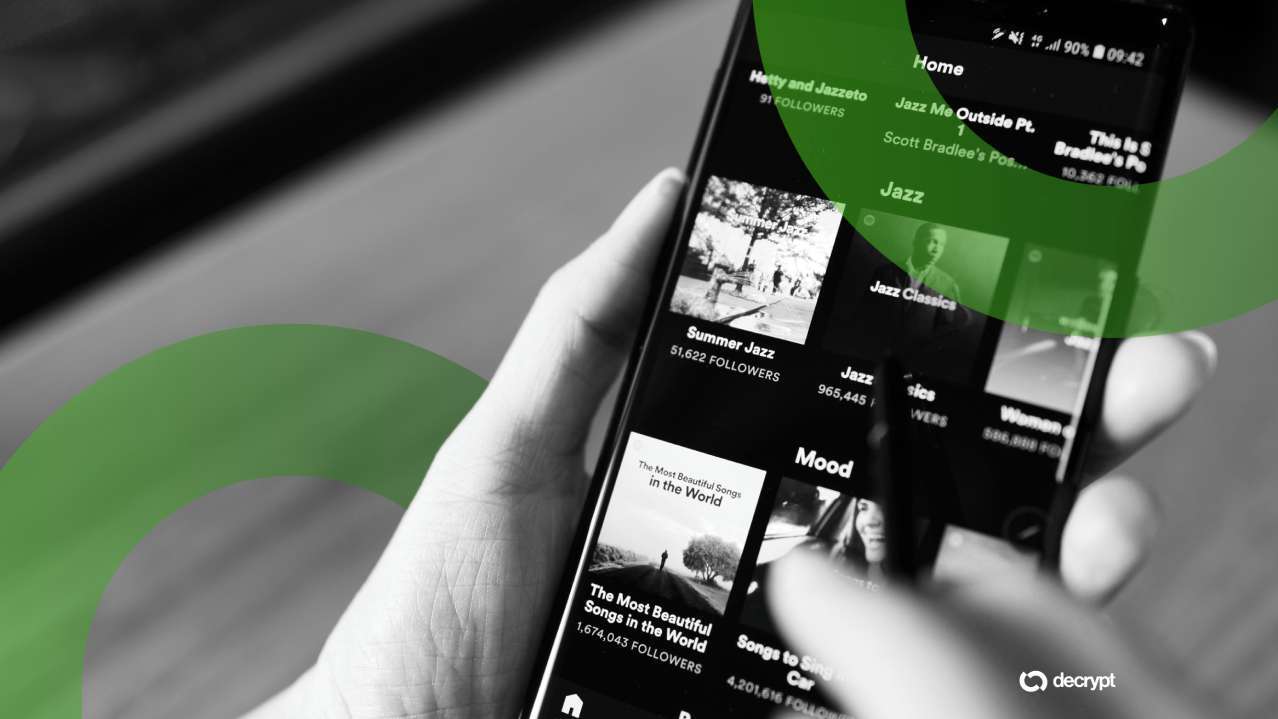
Spotify and Universal Music Group announced on 21 May 2026 a framework that allows Premium subscribers to create AI-generated covers and remixes of existing songs, with participating artists receiving a share of the resulting revenue. The deal, first reported by TechCrunch, is presented as a breakthrough — a way to bring AI-generated music under some form of commercial accountability rather than leaving it to the grey market of unsigned generators and unlicensed uploads. The framing is seductive. Rather than AI being a free rider on the creative ecosystem, the argument goes, it can become a revenue stream that flows back to the artists it draws from. That is a clean narrative. It is also an incomplete one.
The fundamental question the deal does not cleanly resolve is consent. Universal Music Group represents some of the world's most commercially powerful artists — Taylor Swift, Billie Eilish, Kendrick Lamar, and the catalogues of dozens of legacy labels whose back catalogs generate hundreds of millions in streaming revenue annually. Those artists have meaningful leverage over how their work is used. The deal as described gives them the ability to participate, not the obligation to do so. That distinction matters enormously. If participation is opt-in, the AI cover market that emerges under this framework will skew heavily toward catalogue owners willing to transact — which means major labels, catalogue-holding conglomerates, and artists with the negotiating weight to demand favourable terms. The independent artist whose catalogue is distributed through a smaller aggregator may find themselves outside the framework entirely, their work fair game for the same AI engines the deal is supposed to govern. The deal's revenue-sharing model sounds progressive on paper. In practice, the rates have not been disclosed, the mechanics of attribution are unresolved, and the underlying question of whether an AI model trained on licensed music owes a debt to that training process — separate from the debt owed for each individual output — remains contested at the level of case law in multiple jurisdictions. This deal does not answer that question. It sidesteps it.
The music industry has watched the generative AI wave approach with a mixture of alarm and opportunism that mirrors the broader media landscape. Publishers, news organisations, and film studios have each navigated similar tensions: the impulse to litigate, the impulse to license, and the third, often dominant impulse to make a deal that looks like a licensing arrangement but functions as a legitimisation of the underlying practice. What Spotify and Universal Music appear to have agreed to is the third path. By establishing a commercial framework — even one with significant gaps in coverage and consent architecture — they position themselves as the responsible parties in a process that is already happening. The alternative was to remain outside the arrangement, litigate indefinitely, and watch the same activity continue in unlicensed form across platforms where neither party had governance. That is a rational calculation for a corporation whose primary asset is a catalogue of recordings it needs to protect. It is less obviously a win for the broader creative economy that depends on the principle that making something requires the permission of whoever made it first. The deal sets a precedent: AI-generated derivatives of copyrighted works can be commercialised at scale, provided the original rights-holder receives a percentage of the take. That is a more permissive standard than exists in current case law across most major jurisdictions. It is also, not coincidentally, a standard that works to the advantage of the entities negotiating it. Whether it works to the advantage of the creators those entities represent is a question the announcement does not pretend to resolve. The announcement contains the word "artists" forty-one times across its press release. It contains the word "consent" not at all.
What happens next will depend on execution, and execution in this space is unusually complex. Attribution at scale requires AI models to identify what they are derived from — a technical problem that the current generation of large language models and diffusion models do not cleanly solve. Revenue distribution at scale requires metering systems that do not yet exist in a standardized form. And the question of whether artists who opt out find their catalogue protected or merely uncompensated is a legal and contractual ambiguity that neither Spotify nor Universal Music has publicly resolved. The deal is a step toward something. It is not clear toward what. For now, the announcement functions as a signal to the market: AI music is now a legitimised commercial activity, governed by two of the industry's largest players, with revenue flowing back to rights-holders who choose to engage. That is a real thing. It is also a framing choice — one that says as much about the balance of power in the negotiation as it does about the future of creative work.