US-Iran Hormuz Standoff: What the Sources Say — and What Remains Unverified
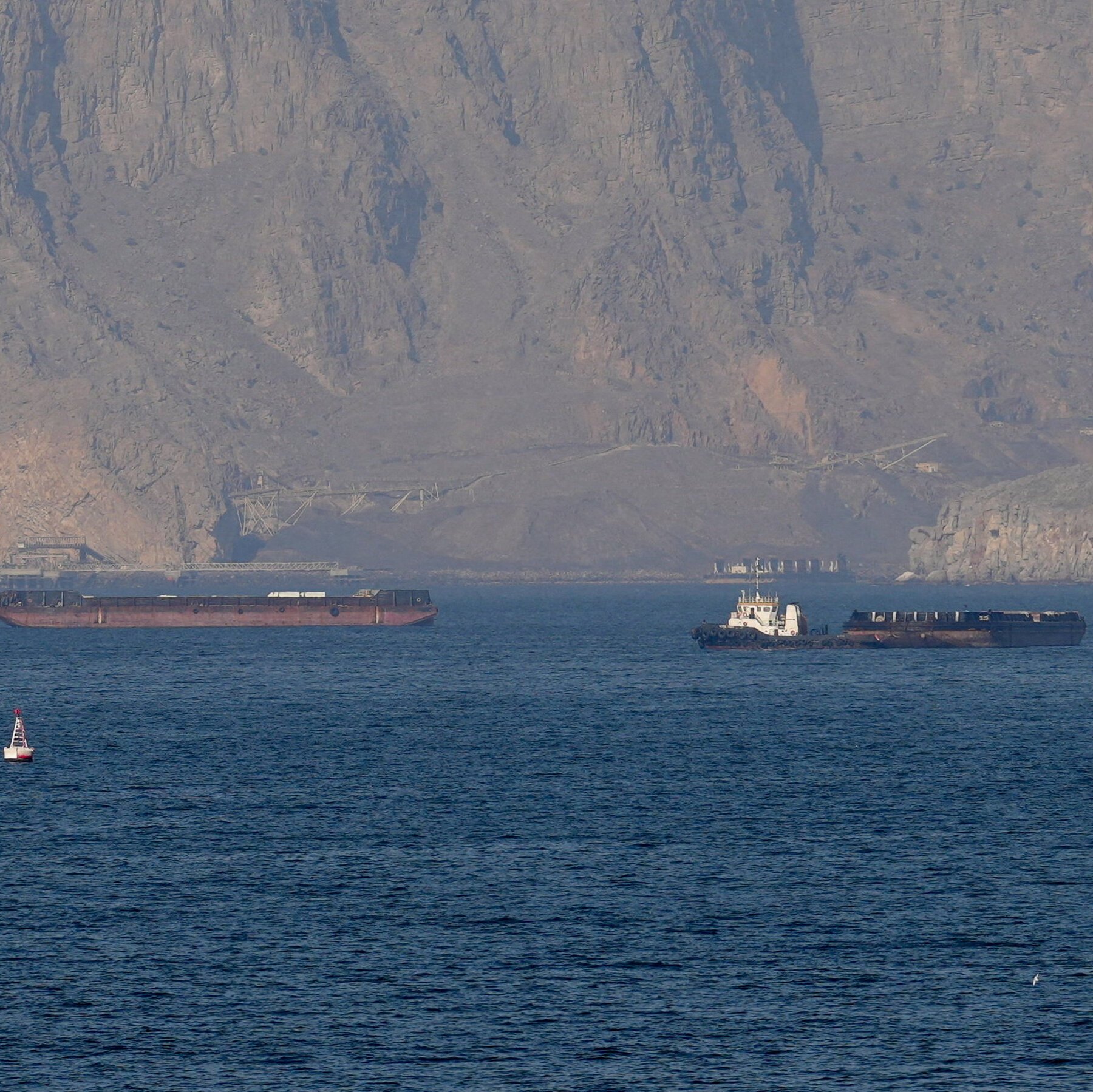
On 21 May 2026, Iran accused the United States of failing to reopen the Strait of Hormuz despite deploying what Tehran characterised as a campaign of diplomatic pressure and deception, according to reporting carried by The Cradle Media. The same day, an Iranian hardline influencer, Ali Gholhaki, posted claims on a public channel that Washington had put forward a sweeping package to Tehran — including formal discussions on reopening the strait and the release of approximately $25 billion in frozen funds.
The reports arrived amid heightened attention to the Hormuz corridor, a 34-kilometre-wide waterway separating Iran from Oman through which roughly a fifth of the world's liquefied natural gas and a substantial share of global oil shipments pass. For decades, control of the strait has served as one of Tehran's most potent levers in its dealings with Washington and allied governments.
What the Sources Report — and From Where
The primary public record circulating on 21 May 2026 traces back to two types of accounts. The Cradle Media, a platform with a history of publishing content sympathetic to Iranian positions, carried Iran's characterisation of American diplomatic efforts as exhausted and futile — citing what it described as "a thousand tricks and acts of deception" on Washington's part. Separately, osintlive, a self-described open-source intelligence tracking account, referenced Ali Gholhaki's post claiming the US had offered Hormuz discussions alongside approximately $25 billion in financial relief.
Neither claim appears to have been independently confirmed by major wire services as of the time of this reporting. Reuters, the Associated Press, and Bloomberg have not published corroborating accounts of a specific $25 billion figure or a formal US offer on Hormuz reopening. The Financial Times and Axios, outlets that have previously broken details on US-Iran negotiations, had not published parallel reporting at time of writing.
The Hormuz Leverage: Structure, Not Sentiment
Whatever the precise contents of any diplomatic package, the underlying dynamic is structural. The strait's narrow geography means that even a partial or unofficial Iranian restriction on commercial shipping creates outsized market and diplomatic pressure. Every major power with interests in Gulf energy exports has a rational incentive to avoid the scenario — which is precisely why it functions as leverage regardless of whether Tehran formally closes the waterway.
This is not new. Successive US administrations have structured their Iran policies around the assumption that Hormuz access is a red line requiring either a negotiated arrangement or sufficient military presence to keep lanes open. The strategic logic cuts both ways: Iran understands that threatening the strait concentrates minds in Washington and allied capitals in a way that few other Iranian actions can. The question has never been whether Tehran can disrupt Hormuz — it demonstrably can — but what price Tehran is willing to pay in isolation and sanctions intensification to maintain that posture.
If Gholhaki's characterisation of a US offer is accurate in broad outline, the $25 billion figure would represent a partial解除 of sanctions-related asset freezes that have accumulated over successive rounds of US and UN sanctions. The scale, if real, would be significant — but would it be sufficient? Iran has historically conditioned any normalisation of Hormuz-related posture on the removal of sanctions affecting its broader energy sector, its banking system, and its designation as a proliferation concern. Whether any package that stops short of full sanctions relief satisfies Tehran's calculus is the central empirical question the available sources do not resolve.
What We Verified / What We Could Not
Verified:
- The Cradle Media reported Iran's statement that the US had failed to reopen Hormuz, characterising Washington's approach as involving tricks and deception, on 21 May 2026.
- Ali Gholhaki, identifying himself as a hardline Iranian influencer, posted claims on a public channel on 21 May 2026 asserting that the US had put forward a package including Hormuz discussions and roughly $25 billion.
- The Strait of Hormuz is a documented chokepoint for global energy shipments, a fact established in long-standing trade and security literature.
Not independently corroborated:
- The existence of a formal US diplomatic package to Tehran of the scale Gholhaki described.
- The $25 billion figure, which appears only in Gholhaki's unverified post.
- Whether the US has formally linked Hormuz access to any proposed sanctions relief package.
- The specific language Iran used in its statement as reported by The Cradle Media — no full transcript or official release has been independently verified.
Stakes: Who Wins If the Corridor Stays Contested
The stakes of an unresolved Hormuz stand-off are asymmetric but not straightforward. Tehran gains negotiating leverage every time markets price in potential disruption — but that leverage comes at a cost: each cycle of sanctions intensification and diplomatic isolation makes Iran's economic recovery more dependent on non-Western trade routes, particularly its deepening relationship with China, which has become the primary buyer of Iranian oil outside the dollar system. That trajectory, if it continues, incrementally reduces the leverage Hormuz access provides over Western economies — a structural shift that neither Washington nor Tehran may fully have priced in yet.
For European and Asian energy importers — Japan, South Korea, India, much of Western Europe — the scenario of a sustained Hormuz restriction without resolution of the broader US-Iran stand-off is the worst outcome: elevated energy price risk with no political endpoint in sight. For Washington, the question is whether any package credible enough to prompt Iranian concessions on the strait is politically achievable given domestic constraints on sanctions relief. For Tehran, the question is whether the cost of maintaining the Hormuz posture — measured in economic isolation, banking exclusion, and reduced Chinese buying flexibility — remains acceptable relative to any deal on offer.
The available sources on 21 May 2026 do not answer those questions. They establish that Iran is communicating that American diplomatic efforts have failed and that a figure of approximately $25 billion in US concessions has been named in a public Iranian forum. What the sources do not establish is whether that figure reflects a genuine offer, a negotiating position, or a fabrication designed for domestic political consumption in Tehran.
Monexus has not independently confirmed the specific claims attributed to Ali Gholhaki or the Iranian statement as reported by The Cradle Media. The publication of this article reflects the desk's assessment that the Hormuz narrative is significant enough to report on the basis of available sourcing, with explicit notation of what remains unverified.
Wire provenance
This editorial synthesis draws on the following public wire/social posts:
- https://t.me/TheCradleMedia
- https://t.me/TheCradleMedia
- https://t.me/osintlive