The Guardiola Era Ends. The Tactical Revolution He Left Behind Is Permanent.
Manchester City confirmed on 22 May 2026 that Pep Guardiola will leave the club after ten years. The trophy haul is extraordinary. The deeper legacy — how English football understands the game itself — is harder to undo.
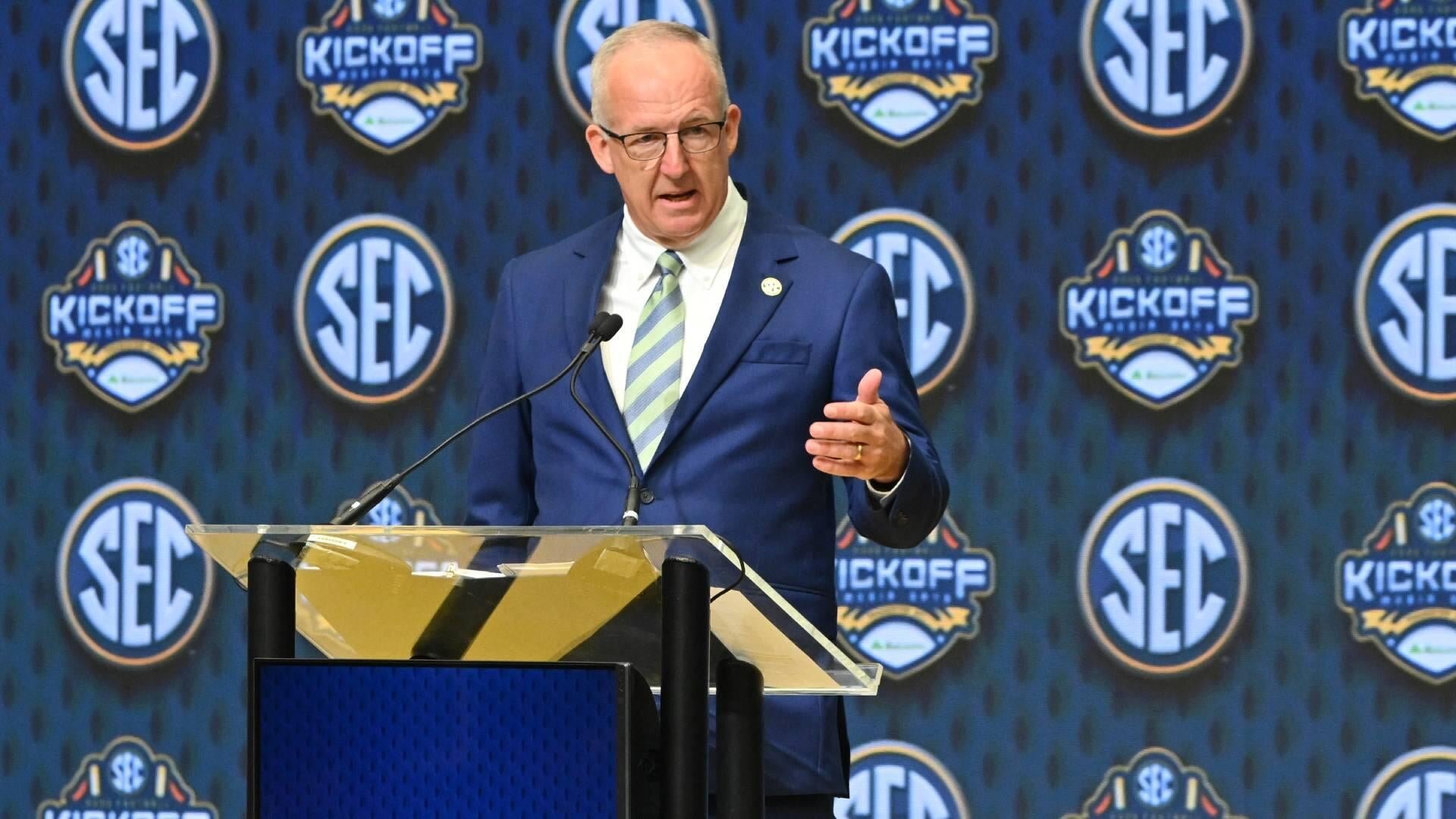
Manchester City confirmed on 22 May 2026 that Pep Guardiola will leave the club at the end of the season, ending a ten-year tenure that reshaped the Premier League at its most fundamental level. The club announced the decision in the morning of 22 May 2026, with Guardiola himself addressing the announcement at a media briefing later that day. The news had been anticipated for months — ESPN and other outlets had reported the suspected departure in the hours before the club's formal statement was published — but confirmation still lands as a significant hinge point in English football's recent history.
The numbers are not in dispute. Six Premier League titles, one Champions League, two FA Cups, four League Cups, and a Club World Cup. Across nearly 400 matches in charge, Guardiola's City teams won matches at a rate that no sustained Premier League tenure of comparable length has matched. His successor — unnamed at the time of the club's announcement — inherits not just a squad of exceptional individuals but an entire tactical infrastructure that took a decade to construct. The immediate question is not whether the next manager is good. It is whether the next manager is willing to be Guardiola.
What the Numbers Cannot Fully Capture
Guardiola arrived in Manchester in 2016 with a reputation already settled by his work at Barcelona and Bayern Munich: he was the manager who had changed what elite football looked like. What followed in England was the longest, most sustained demonstration of that philosophy at the highest competitive level the Premier League has seen.
BBC Sport's tactical analysis, published on the morning of the announcement, identified the core elements of what Guardiola changed: an insistence on technical coherence in possession, a structured pressing system that began from the opposition's goalkeeper, and a fluid positional architecture that made traditional player roles less fixed. These were not cosmetic adjustments. They forced rival clubs — first by imitation, then by necessity — to rethink how they approached matches against the league's strongest side.
The tactical ripple effect is visible in how the Premier League has evolved. Pressing became standard. Midfield control became non-negotiable for any club with ambitions of competing near the top. Even clubs that could not fully implement Guardiola's system adapted fragments of it because the game had shifted around it. A league that once celebrated directness, physical duels, and set-piece pragmatism spent a decade absorbing a different philosophy — one that treated technical precision as a baseline requirement rather than a luxury.
The Counter-Argument Worth Taking Seriously
Not all of City's dominance is attributable to tactical innovation alone. The club spent at a level that few rivals could match — assembling a squad whose depth allowed rotation without meaningful drop-off, and whose individual quality in possession made the tactical system easier to execute. Some analysts, including those cited by ESPN in its analysis of the departure, argued that City's sustained excellence was the product of a system that Guardiola built and a budget that sustained it, and that the two were inseparable.
This framing is accurate as far as it goes. Guardiola did not operate in a vacuum. He arrived at a club whose ownership had decided to compete at the top of European football and provided the resources to do so. But it underestimates what the manager actually did with those resources. The same spending power had existed before his arrival without producing comparable results. Guardiola translated financial advantage into tactical coherence — a harder problem than it sounds, and one that his successors will have to solve without him standing in the technical area.
What Stays and What Changes
The immediate structural question is what Guardiola's departure means for Manchester City's model. The club's hierarchy will need to decide whether the next manager is hired to preserve the existing system or to evolve it. Guardiola's method was deeply personal — built around specific training-ground routines, specific build-up patterns from the goalkeeper, and a squad culture that he spent years curating. That method does not transfer automatically to a new appointment. If the replacement is someone who shares Guardiola's tactical worldview, the transition may be less disruptive. If not, the adjustment period could be extended.
The broader Premier League consequence is harder to quantify. For a decade, City's dominance compressed the title race in ways that distorted how the league was read. Rival clubs structured their transfer strategies, managerial appointments, and tactical preparations partly around the constraint that City represented. With that constraint removed — or at least reduced — the competitive field may widen in ways that change the Premier League's narrative arc across a season. That is not a small thing. It is what the league has spent ten years waiting to discover.
The Legacy That Outlasts the Announcement
What Guardiola leaves behind is not only a trophy cabinet. It is a changed understanding of what the Premier League can demand from its participants. He arrived as a visitor with a foreign method; he leaves as the reference point against which every subsequent managerial appointment in English football will be partially measured. Whether that influence survives his departure depends on forces beyond the touchline — the ownership's next decision, the incoming manager's philosophy, the way rivals respond to a City that is no longer coached by the man who defined the decade.
The sources do not yet indicate who Manchester City will appoint. That uncertainty is itself a fact with weight. A club that spent ten years operating with a known tactical identity must now navigate an unknown one — and the league will be watching to see what, if anything, fills the space Pep Guardiola leaves behind.
Wire provenance
This editorial synthesis draws on the following public wire/social posts:
- https://t.me/Premier_League/25432