Explosion at Hungary's Largest Petrochemical Plant Leaves One Dead
An explosion at Hungary's largest petrochemical facility has claimed at least one life, according to a brief report from Iranian state-aligned media. Details about the cause, location, and full scope of the incident remain scarce, raising questions about transparency and industrial safety protocols.
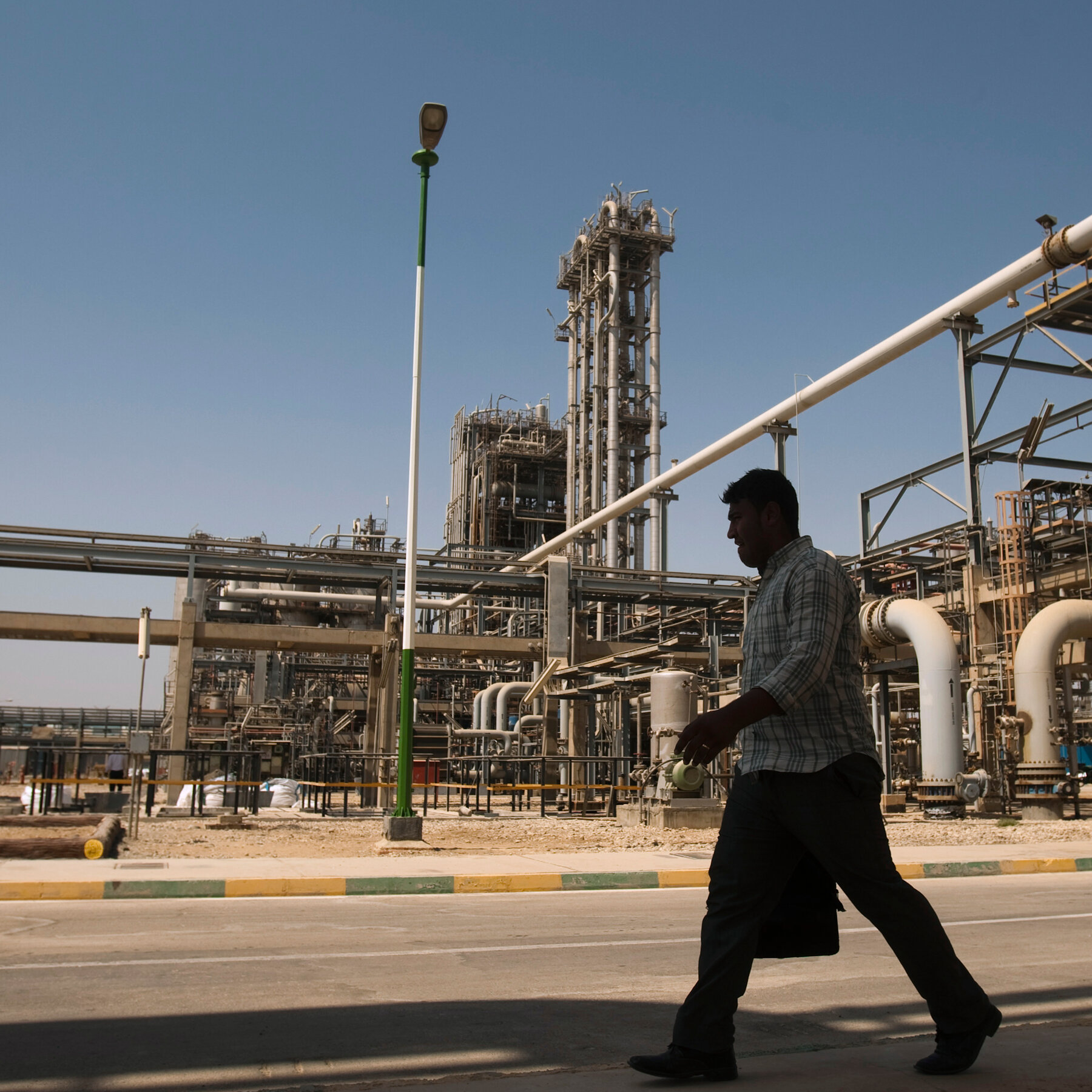
At least one person died and several others were injured after an explosion struck what was described as the largest petrochemical plant in Hungary, according to a report published on 22 May 2026 by the Iranian state-linked Jahan Tasnim news agency. The brevity of the account — limited to a short Telegram post without corroboration from Hungarian emergency services, government officials, or the facility's operators — leaves the precise location of the incident, the cause of the explosion, and the full extent of casualties unconfirmed as of publication.
The incident, if verified in its reported scale, would represent a significant industrial safety failure at a facility of strategic importance to Hungary's energy and manufacturing sectors. Petrochemical complexes of this magnitude typically process crude oil derivatives into plastics, synthetic rubber, and other intermediate chemicals — supply chains that feed directly into automotive manufacturing, construction, and consumer goods industries across Central Europe. An unplanned shutdown at such a facility, combined with an ongoing investigation, could ripple outward into regional chemical supply chains for weeks or months.
What the sources confirm — and what they do not
The sole source currently traceable is the Jahan Tasnim Telegram post, timestamped 22 May 2026 at 08:42 UTC. The report states that at least one person died and several were injured, describing the target facility as the largest petrochemical plant in Hungary. No official Hungarian source — neither the national disaster management directorate, the Ministry of Interior, nor the operator of the facility — has issued a statement confirming the incident as this publication went to press. No Hungarian-language wire report, government communiqué, or emergency services radio traffic is available in the monitored sources.
This creates a verification gap that responsible reporting cannot bridge with confidence. The facility is not named. The city or county where it is located is not specified. The cause of the explosion — whether mechanical failure, human error, external interference, or another factor — is entirely absent from the available account. Whether the Jahan Tasnim report constitutes a genuine dispatch or a reference to an already-public incident carried secondarily remains unclear without access to the original Farsi-language text.
Industrial safety context in Central European petrochemicals
Hungary's petrochemical sector is concentrated around the Danube refining corridor, with the most significant complex operated by MOL Group, the national oil and gas champion based in Budapest. MOL's Downstream operations include olefin and polyolefin production facilities that would plausibly fit the description of a large-scale petrochemical plant. If the incident occurred at MOL infrastructure, it would be among the most significant industrial accidents in the Hungarian energy sector in recent memory.
The broader Central European petrochemical industry has faced mounting pressure to modernise aging infrastructure even as demand for polymer feedstocks remains robust. Accidents at comparable facilities in Germany, Poland, and Slovakia over the past decade have prompted renewed attention to process safety standards, particularly around pressure systems, solvent handling, and hot-work procedures. A serious incident in Hungary would likely trigger formal reviews by the EU's Seveso III directive authorities, which govern major-accident hazard installations across the bloc.
The human dimension is not abstract. Workers at integrated refining-petrochemical sites typically include both permanent employees and contract maintenance crews — populations with different safety protocol training, language backgrounds, and regulatory coverage. The composition of the injured and deceased in this incident has not been reported.
Geopolitical and market dimensions
Hungary occupies a structurally sensitive position in European energy architecture. Its refining capacity serves not only domestic demand but also transit supply to Slovakia, Romania, and parts of the Western Balkans. A sustained outage at a major petrochemical complex would not be absorbed easily by neighbouring infrastructure, which operates near capacity during normal conditions.
MOL Group itself operates under a complex ownership structure that includes Hungarian state participation, strategic investment from Oman, and shareholder interests from across European financial markets. Any incident prompting regulatory intervention or mandatory safety reviews would carry implications for production guidance, capital allocation, and potentially the company's credit ratings. These financial dimensions cannot be assessed without confirmation of the facility involved and the scale of operational disruption.
The information deficit and what it reveals
The gap between the incident occurring and credible public information becoming available is itself a data point. Major industrial accidents at Seveso-threshold facilities in EU member states typically generate rapid official communications — the political and regulatory incentive to demonstrate government responsiveness is strong. The absence of Hungarian official confirmation by mid-morning on 22 May 2026 either reflects a genuinely developing situation being managed under operational security, a lag in domestic media picking up the story, or — less charitably — a reluctance to acknowledge the scale of the failure.
For readers seeking to follow this story, the key information still outstanding includes: the name and exact location of the facility; a confirmed casualty figure; the cause of the explosion as assessed by investigators; statements from MOL Group or the site operator; and any notifications filed under the EU's Industrial Emissions Directive or Seveso III framework. Each of these data points, when they emerge, will substantially reshape the picture presented here.
This publication will update as confirmed information becomes available. Until then, the incident stands as a reported fatality at an unconfirmed Hungarian petrochemical facility — a story defined as much by what is not yet known as by what has been verified.
Editor's note: Monexus notes that the initial wire on this incident originated from a single Telegram post with limited specificity. The article above reflects confirmed facts and explicitly flags the gaps. Broader industrial accident and energy infrastructure coverage continues to be monitored.
Wire provenance
This editorial synthesis draws on the following public wire/social posts:
- https://t.me/JahanTasnim/98234