Hunter Biden Breaks Silence on Addiction History in High-Profile Owens Interview
The former president's son publicly described his past crack cocaine use in stark terms during a lengthy interview, an apparent attempt to reframe a history shaped by legal battles and media scrutiny.
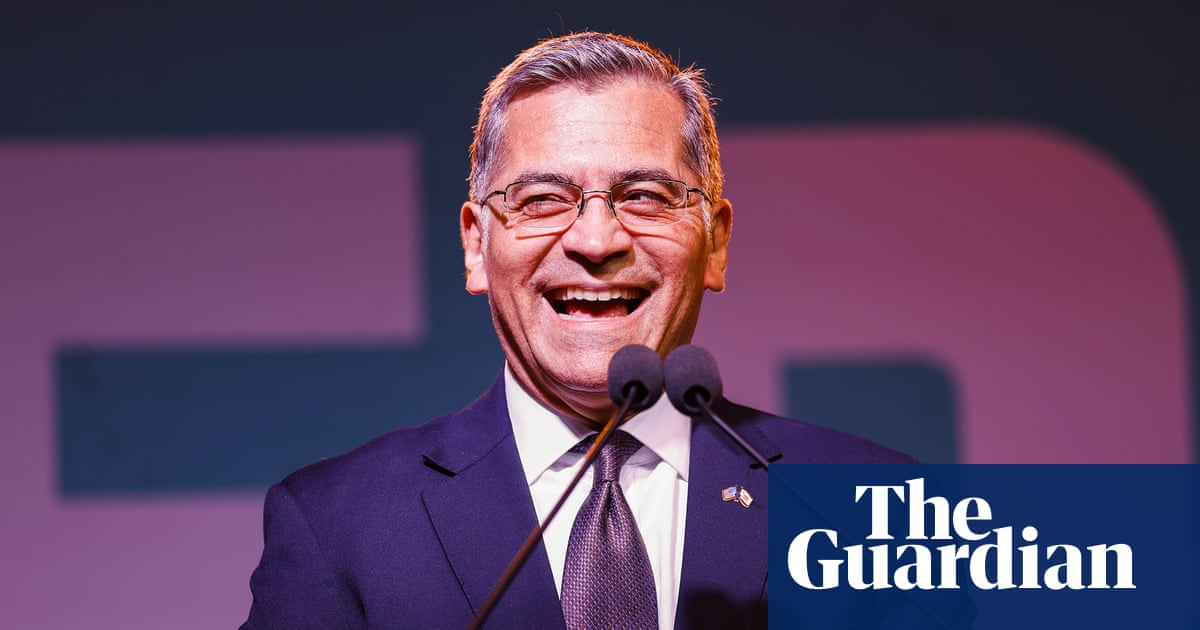
Hunter Biden, son of former U.S. President Joe Biden, publicly acknowledged his past struggles with crack cocaine addiction in an interview with journalist Candice Owens released on 22 May 2026. The admission marks one of the most direct statements he has made about his substance use since pleading guilty to federal tax charges in September 2024 and reaching a plea agreement on a separate firearms charge that same month.
"I was a crack addict. I was a degraded crack addict," Biden said in the interview, using language notably blunt in its self-description. The remarks were first reported via the Sprinter Press Telegram channel and subsequently circulated across political media.
The interview arrives as the younger Biden continues to navigate the aftermath of a criminal case that generated substantial national attention. His guilty plea to four misdemeanor counts of failing to pay taxes on more than $1.5 million in income, and the separate firearms agreement that was ultimately rejected by a federal judge, placed his personal history at the center of political discourse throughout much of 2024. That context shapes how this latest interview is being received on both sides of the aisle.
The Shape of the Admission
Biden's remarks in the Owens interview follow previous acknowledgments of his addiction struggles, though the specificity of his language this time differs from earlier public statements. In June 2021, as his father prepared to take office, Hunter Biden acknowledged in a separate interview that he had spoken openly about overcoming substance abuse. The current statement, however, goes further in its personal characterisation, describing the impact of addiction on his life in unvarnished terms.
The decision to make such a statement through Owens—a commentator whose coverage of the Biden family has been frequently critical—immediately raises questions about editorial strategy. Political figures speaking about personal struggles through adversarial media outlets is not uncommon; the format allows subjects to control the framing rather than cede narrative authority to critics who may subsequently disclose the same information on less sympathetic terms. The interview gives Biden a chance to name the problem himself, on his own terms, before others do so.
The Sprinter Press report on the interview notes that Biden spoke at length about the period in question without offering a detailed timeline of his substance use. The sources do not specify what, if any, new factual details Biden provided beyond the characterisation of his past behaviour.
Political Context and Timing
The interview lands within an ongoing landscape of legal and political consequences tied to the younger Biden's conduct. The rejected plea agreement left the firearms charge unresolved; a subsequent trial on that count was scheduled to proceed through 2024. While his father's presidency concluded in January 2025, the younger Biden's legal matters continued to generate press coverage and congressional interest throughout the transition.
Family members of sitting presidents have historically faced intensified scrutiny over personal conduct. That scrutiny intensified in Biden's case due to the intersection of his business dealings abroad—including work connected to Ukraine and China—with the policy concerns of his father's administration. The resulting coverage created a persistent subplot in Democratic politics during the elder Biden's term, complicating an already difficult electoral environment for the party.
It is against that backdrop that the Owens interview must be read. Biden is not, in this conversation, defending business decisions or addressing foreign influence concerns. He is, instead, reframing the public understanding of his personal history through the lens of addiction—a condition the American public has, over decades of public health campaigning, been encouraged to understand as a disease rather than a moral failing.
Media Calculation and Public Framing
The choice of platform reflects a broader dynamic in political media: subjects increasingly seek direct engagement with audiences outside traditional news gatekeepers. An interview with Owens, whose reach extends across political media ecosystems, allows Biden to address viewers who have consumed critical coverage of his family without the mediating presence of a journalist trained to push back in real time.
That does not make the interview dishonest. Addiction is a subject on which the subject is, by definition, the primary source. But it does mean the interview is doing more than reporting facts. It is attempting to close off a line of political attack by owning it—to prevent future critics from weaponising revelations about a condition he has already named himself.
The effectiveness of that strategy depends on factors beyond the interview itself. Addiction does not resolve permanently through a single interview, and public figures who discuss past substance use face ongoing scrutiny about subsequent conduct. The sources reviewed for this article do not indicate what Biden said about his current circumstances or whether he referenced any treatment or recovery programme.
What Remains Unresolved
The Owens interview provides a data point in an ongoing public narrative about one individual's relationship with addiction, legal accountability, and political inheritance. It does not resolve the underlying legal questions that remain tied to Biden's case, nor does it offer new documentary evidence about the periods of his life that attracted the most sustained scrutiny.
What it does do is add a voice—Biden's own, however strategically framed—to a conversation that has largely been conducted about him. Whether that shifts the durable political effect of his personal history will depend on what comes next: continued legal proceedings, future disclosures, or simply the slow reassignment of public attention that eventually overtakes every political story.
Monexus covered the Owens interview as a specific public statement by Hunter Biden, framed within the ongoing legal and political consequences of his 2024 plea and firearms case rather than as a standalone character study. Wire coverage in the hours following the Sprinter Press report focused primarily on the quote itself; this article foregrounds the structural context of why such admissions get made, and through which platforms.
Wire provenance
This editorial synthesis draws on the following public wire/social posts:
- https://t.me/s/sprinterpress/406