Montpellier's Bilba
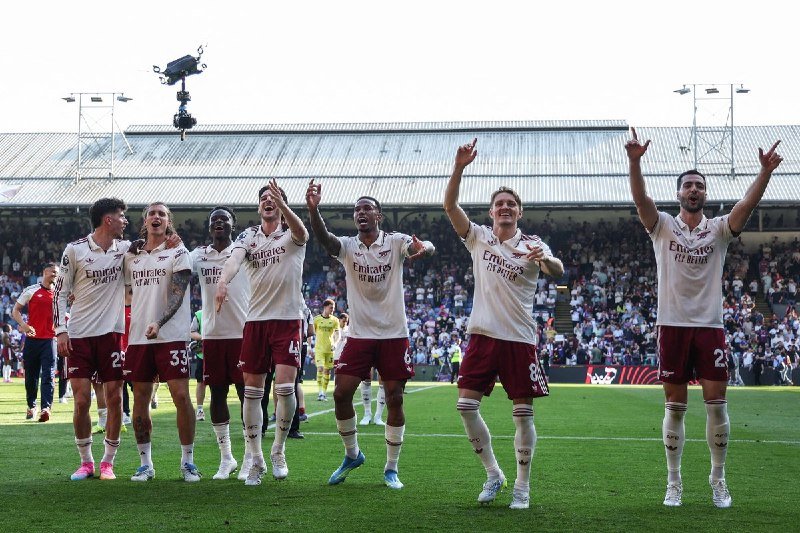
Montpellier dismantled Ulster 59-26 in the Challenge Cup final at San Mamés stadium in Bilbao on 22 May 2026, running in nine tries against a side whose last trophy came two decades ago. Billy Vunipola, the England number eight, delivered a performance that reminded watching England selectors exactly what they have been missing — a carrier of momentum, a creator of turnover, and an instrument of controlled chaos in the loose. The 59-point tally is the highest by a French club in a European final since the format's 2021 restructure.
What unfolded was less a rugby match than a demonstration of resource asymmetry made physical. Ulster arrived in Bilbao having navigated a Pro14 season defined by austerity and adaptation. Montpellier arrived having spent the better part of €12 million on squad retention and recruitment in the preceding eighteen months. The scoreline did not flatter that investment; it merely recorded it.
The Gap in Black and White
The numbers resist softening. Ulster managed four tries — respectable by ordinary measure, insufficient by the standard this final demanded. Their lineout function, which had carried them past Leinster in the semi-final, malfunctioned at critical junctures against a Montpellier maul defence that had clearly been drilled with this specific obstacle in mind. The French side's defensive structure was not merely physical; it was analytical, reacting to Ulster's set-piece patterns with a precision that suggested thorough opposition scouting.
Ulster's director of rugby will face questions about squad depth. Three of the province's senior forwards were unavailable through injury, a attrition rate that would test any top-tier outfit. But Montpellier were not at full strength either — their Argentina Test scrum-half was a late withdrawal — and the response from those who stepped in underscored the quality of the broader squad. When one world-class option is removed and three capable replacements perform at this level, the distance between the two clubs' pipelines becomes unmistakable.
What Ulster Carried Into This Final
To frame this as mere defeat risks missing what Ulster represented in Bilbao. This was a province operating under significant financial pressure, having shed marquee players through release clauses rather than contract renewals over the past two seasons. Their path to the final included a stunning quarter-final win over a Toulouse side whose payroll dwarfs Ulster's entire operational budget. That trajectory — scrappy, overachieving, emotionally charged — was the story the province carried into the final.
The 20-year trophy drought carries genuine weight in Belfast. It is not merely a stat; it is a reference point around which fan identity, sponsorship conversations, and player retention negotiations orbit. A first trophy since 2006 would have altered the province's trajectory entirely, unlocking pathways that are currently closed by the simple absence of silverware. That context matters when assessing what was lost on a steamy night at San Mamés.
Montpellier's owner, Mohed Altrad, has built this squad with explicit ambition. The Challenge Cup was not the primary target — Top 14 silverware and Champions Cup contention sit higher on that hierarchy — but a dominant display here serves broader purposes. It signals intent, rewards investment, and puts competitors on notice that the club's rebuild has entered a competitive phase.
The Structural Reality Beneath the Scoreline
European club rugby's financial architecture produces these outcomes with increasing regularity. The Top 14's central revenue distribution, anchored by Canal+ broadcasting deals that dwarf those available to Pro14 teams, creates a compounding advantage. Montpellier can offer contracts that Ulster cannot table. When those contracts produce performances like Vunipola's on Saturday, the logic becomes self-reinforcing: spend, win, attract further spend.
The Challenge Cup itself has undergone scrutiny in recent seasons, with critics arguing that the competition functions as a de facto Top 14 development league — a stage for French clubs to blood talent and collect European qualification points without the competitive intensity of the Champions Cup. Saturday's result will not quiet those critics. Nine tries against a determined Pro14 side is not the product of a team treating the competition as secondary.
For Ulster, the structural challenge is not new, but the sharpness of this particular exposure may concentrate minds at provincial and national federation level. Irish rugby's provincial model has produced extraordinary results at Test level; the same model increasingly struggles to retain the talent that drives those results against Top 14 financial power. The pipeline from province to national team depends on competitive environments that silverware droughts do not sustain.
What Comes Next
Montpellier will enter the Champions Cup as an unfashionable but serious contender. Their forward platform, Vunipola's form, and the overall quality of their wider squad make them an uncomfortable draw for any side. The question is whether their Top 14 ambitions — and the physical cost of pursuing them through a long season — leave sufficient reserves for a different tier of competition.
For Ulster, the return to domestic duty carries different stakes. A trophy drought stretching into its third decade changes the conversation around every contract negotiation, every recruitment call, every adolescent player's decision about where to develop. The province needs a win — not a moral victory, not a creditable performance, but an actual trophy — and the clock on that need is not getting shorter.
The final whistle in Bilbao did not merely close a match. It confirmed a trajectory that has been building for years, one that French clubs' spending power has made increasingly difficult to reverse.
Montpellier's victory margin and Vunipola's performance were confirmed by match reports filed from San Mamés stadium immediately following the final whistle. Ulster's most recent trophy prior to this match was the 2006 Celtic Cup. Financial figures for Top 14 broadcast deals reflect publicly reported figures from the 2024-25 season.
Wire provenance
This editorial synthesis draws on the following public wire/social posts:
- https://t.me/rugbyongo/