NBA Playoffs 2026: Knicks Rise, Thunder Respond as Conference Finals Take Shape
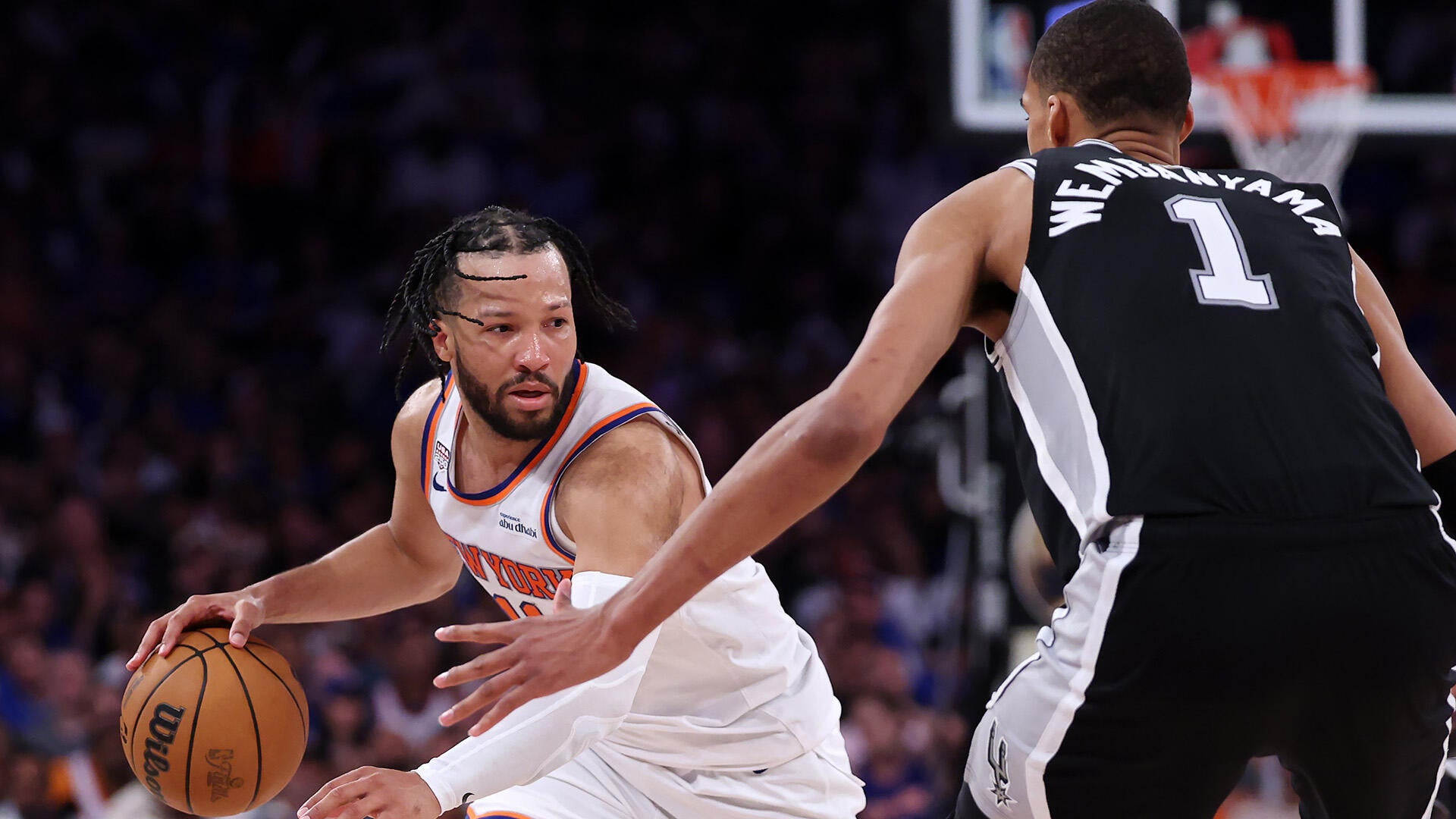
The New York Knicks opened their Eastern Conference Finals series against the Cleveland Cavaliers by taking both games on their home floor, establishing a 2-0 lead as the series shifts to Ohio on 22 May 2026. Across the country, the Oklahoma City Thunder responded to a Game 1 loss to the San Antonio Spurs by evening their Western Conference Finals series at 1-1, with SGA—Shai Gilgeous-Alexander—delivering a decisive performance in Game 2. The Conference Finals are not yet decided, but two distinct narratives are crystallizing.
What makes this particular playoff moment notable is not the obvious star power on display but the structural shift these series represent in the NBA's competitive order. The Knicks, a franchise that spent the better part of three decades searching for relevance, are now a credible championship threat built around a genuine offensive engine in Jalen Brunson and a defensive identity that did not exist two years ago. The Thunder, meanwhile, have engineered the fastest rebuild in modern NBA history—and are now confronting what that process eventually produces: a veteran-spurs roster designed to exploit the inexperience of a young core. The series are separate; the competitive pressure is identical.
Knicks' Defensive Identity Changes the Equation
The Knicks' path to a 2-0 lead over Cleveland is not difficult to explain at the level of scheme. Brunson's ability to collapse defenses and create perimeter shots for his teammates has been well-documented throughout this playoff run. What has received less attention is how New York's defensive roster construction has evolved to protect the holes that strategy creates.
Cleveland finished the regular season among the top five offenses in the league. The Cavs' spacing, their willingness to play throughDarius Garland and Donovan Mitchell in isolation, and their ability to generate corner threes at an efficient rate made them one of the more difficult coverages in the Eastern Conference. The Knicks took both games in New York anyway. They did it by forcing contested mid-range shots in the first game and by tightening their defensive rotations in the second, limiting Cleveland's secondary actions.
The series is not over. The Cavs have proven across two playoff rounds that they can adjust. But New York's ability to win games in which their shooting percentages are merely average—rather than exceptional—suggests a resilience the franchise has not possessed in recent memory. The games shift to Cleveland on 22 May, and the atmosphere inside Rocket Mortgage FieldHouse will test whether that resilience holds.
Thunder's Response Reveals Championship-caliber Maturity
The Western Conference Finals began with the Spurs winning Game 1 in San Antonio, a result that prompted predictable talk about whether Oklahoma City's young core could handle the moment. SGA and the Thunder answered emphatically in Game 2, closing out the Spurs in a game that was not particularly close by the final whistle.
What the Thunder's response revealed was not simply superior talent—though SGA's individual performance was exceptional—but an organizational composure that typically takes longer to develop. Teams built through the draft, as Oklahoma City's has been, often struggle to reset mentally after a loss in a high-stakes series. The Thunder did not. They arrived for Game 2 focused, executed their game plan, and treated the series as a competitive problem rather than an emotional event.
San Antonio remains dangerous. The Spurs' system, rebuilt around a rookie point guard whose basketball IQ is already operating at an elite level, is designed to expose defensive miscommunications—and the Thunder have shown occasional lapses in that area. Game 3, scheduled for 22 May in Oklahoma City, will determine whether the Thunder's Game 2 performance was a statement or a single data point.
The Stakes Are Real for Both Franchises
The Knicks have not reached the NBA Finals since 1999. The current core—Brunson, an emerging two-way wing in the lineup, and a bench that has provided consistent secondary scoring—is not a flash-in-the-pan construct. It is a roster built to compete across multiple seasons. A trip to the Finals in 2026 would validate years of asset management and player development. It would also shift the franchise's internal expectations permanently.
For the Thunder, the calculus is different but no less significant. Oklahoma City's rebuild was predicated on accumulating draft capital and elite individual talent. That bet has materialized faster than most projections anticipated. A Western Conference Finals appearance is already a success by any reasonable measure. But the franchise's competitive window is opening now, not in some distant future, and every series win against a veteran team like the Spurs provides data about what that window actually contains.
The Conference Finals will produce two finalists. Whether those finalists emerge from the scenarios currently taking shape in New York, Cleveland, Oklahoma City, or San Antonio, the tournament has already confirmed something important: the NBA's competitive order is shifting. The Knicks are not a fluke. The Thunder are not pretenders. And the teams that built themselves the traditional way are discovering that the new architecture works just fine.
Monexus covered the Conference Finals matchups using live-bracket updates and game-time confirmations from the NBALive Telegram wire. Wire coverage focused on scoreline progression and broadcast scheduling; this article supplements with contextual analysis of team trajectory and structural competitive dynamics.
Wire provenance
This editorial synthesis draws on the following public wire/social posts:
- https://t.me/NBALive/4823
- https://t.me/NBALive/4819
- https://t.me/NBALive/4812
- https://t.me/NBALive/4811