The Quiet Diplomat in the Room: Why Qatar Keeps Getting Called In
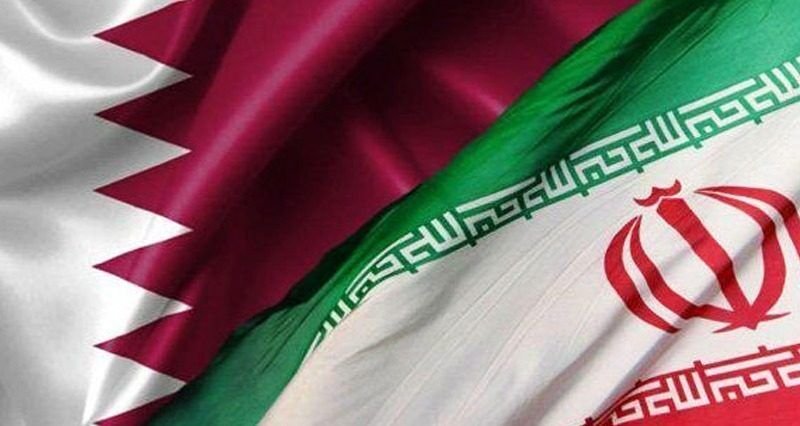
A Qatari delegation arrived in Tehran on 22 May 2026. The purpose, according to a Qatari diplomatic source cited by Iran's Jahan Tasnim and Arabic-language Al-Alam, was to support Pakistan's mediation efforts with the Islamic Republic. Doha's statement further confirmed Qatar's appreciation for what it called Pakistan's pivotal role in supporting regional security and stability. The visit, described as part of ongoing regional consultation and coordination, landed without fanfare — and that is precisely the point.
When Washington needs a message passed to Tehran, it calls Doha. When Tehran wants to signal it is not isolated, it receives a Qatari delegation. That pattern, visible across two decades of Gulf diplomacy, is not coincidence. It is architecture — and it tells us something important about who actually shapes the region's fault lines when the major powers are stuck.
The Back-Channel That Never Closed
Qatar's value to the international system is its accessibility. It hosts a U.S. military base while maintaining functional, if often tense, relations with Iran. It was Qatar that facilitated the February 2024 prisoner exchange between Washington and Tehran — a deal that required simultaneous trust from both sides and a geographic middle ground that no other Gulf state could credibly provide. The Al-Udeid airbase sits sixty miles from Doha's city centre. The Iranian ambassador sits metres from the U.S. Interests Section. This is not inconsistency in Qatari policy. It is the business model.
What the 22 May delegation makes legible is the extension of that model westward. Pakistan, which shares a long and contested border with Iran, has periodically sought to position itself as a diplomatic interlocutor between Tehran and the Arab Gulf states — a role complicated by its own economic dependence on Saudi financial support and its deep security relationship with Washington. Qatar, less encumbered by those competing pressures, is better positioned to carry the message.
What Pakistan Gains — and What It Doesn't
Pakistan's interest in being seen as a regional mediator is real but limited. Islamabad faces an active Balochistan insurgency with cross-border dimensions that Iran has periodically used as leverage. It also carries significant debt loads denominated in dollars and faces a domestic economic situation that makes diplomatic goodwill from the Gulf states a material rather than symbolic concern. Being identified as a mediator serves Pakistan's desire to be treated as a consequential regional actor rather than a client. But mediation requires results. On 22 May, there is no public evidence that the Qatari delegation carried — or delivered — any concrete proposal. The visit was framed as support for Pakistan's efforts, not as a Qatari initiative of its own. That distinction matters.
The language used by Doha's diplomatic source is deliberately soft: appreciation, consultation, coordination. These are the words of parties who want to be seen as engaged without being held accountable for outcomes. It is the vocabulary of a mediator who knows that premature visibility can destroy credibility.
The Structural Logic — Why the Middle Seat Keeps Being Empty
The great powers have not vanished from this picture. The United States remains the dominant external security actor in the Gulf. Iran remains under a combination of sanctions and diplomatic isolation that its government frames as externally imposed and which its interlocutors — including Qatar — must navigate carefully if they want to remain usable. What has shifted is the space between those poles. Washington, under the current administration, has signaled openness to direct negotiation with Tehran on the nuclear file. That opening creates both urgency and risk for regional actors: urgency because a U.S.-Iran rapprochement would reorder the security architecture of the Gulf, and risk because actors who positioned themselves as necessary intermediaries could find that the middle seat they occupied is suddenly vacant.
Qatar understands this calculus better than most. Its strategy has never been to resolve the conflicts it brokers but to remain the preferred venue for managing them. That requires being seen as useful without being indispensable — helpful enough that all parties want it present, humble enough that no party feels threatened by its involvement. The 22 May delegation to Tehran is that posture in action.
The Stakes If the Channel Closes
If Qatar's back-channel function were to degrade — whether through domestic political instability, Gulf Cooperation Council pressure, or American discomfort with Doha's Iran relationship — the regional system would lose one of its few remaining pressure-release valves. Direct communication between Tehran and Washington exists at the working level but remains sensitive to political optics. Regional actors like Oman and Kuwait maintain their own channels, but neither has Qatar's combination of resources, geographic positioning, and established trust. The loss of that channel would not cause a crisis. But it would make the management of existing crises — the nuclear standoff, the tanker warfare, the drone and missile campaigns that have defined the past decade — harder to contain.
On 22 May 2026, Qatar sent a delegation to Tehran to tell Iran that Pakistan is still in the room. That message, unremarkable on its surface, carries more weight than it appears to. The region's diplomatic infrastructure is thinner than its public architecture suggests, and when a small state with strategic positioning keeps showing up in the right capital, it is usually because someone larger asked it to.
Monexus is tracking Gulf mediation activity across the Qatar-Iran-Pakistan triangle. This story will be updated as bilateral statements emerge.
Wire provenance
This editorial synthesis draws on the following public wire/social posts:
- https://t.me/JahanTasnim/47892
- https://t.me/alalamarabic/88456
- https://t.me/alalamarabic/88454