SGA vs. Wembanyama: The Rivalry That Could Define the Next NBA Era
Oklahoma City's championship-core roster faces San Antonio's generational talent in Game 3 on Friday, with the series crystallizing questions about how NBA franchises build for sustained contention in an era of star concentration.
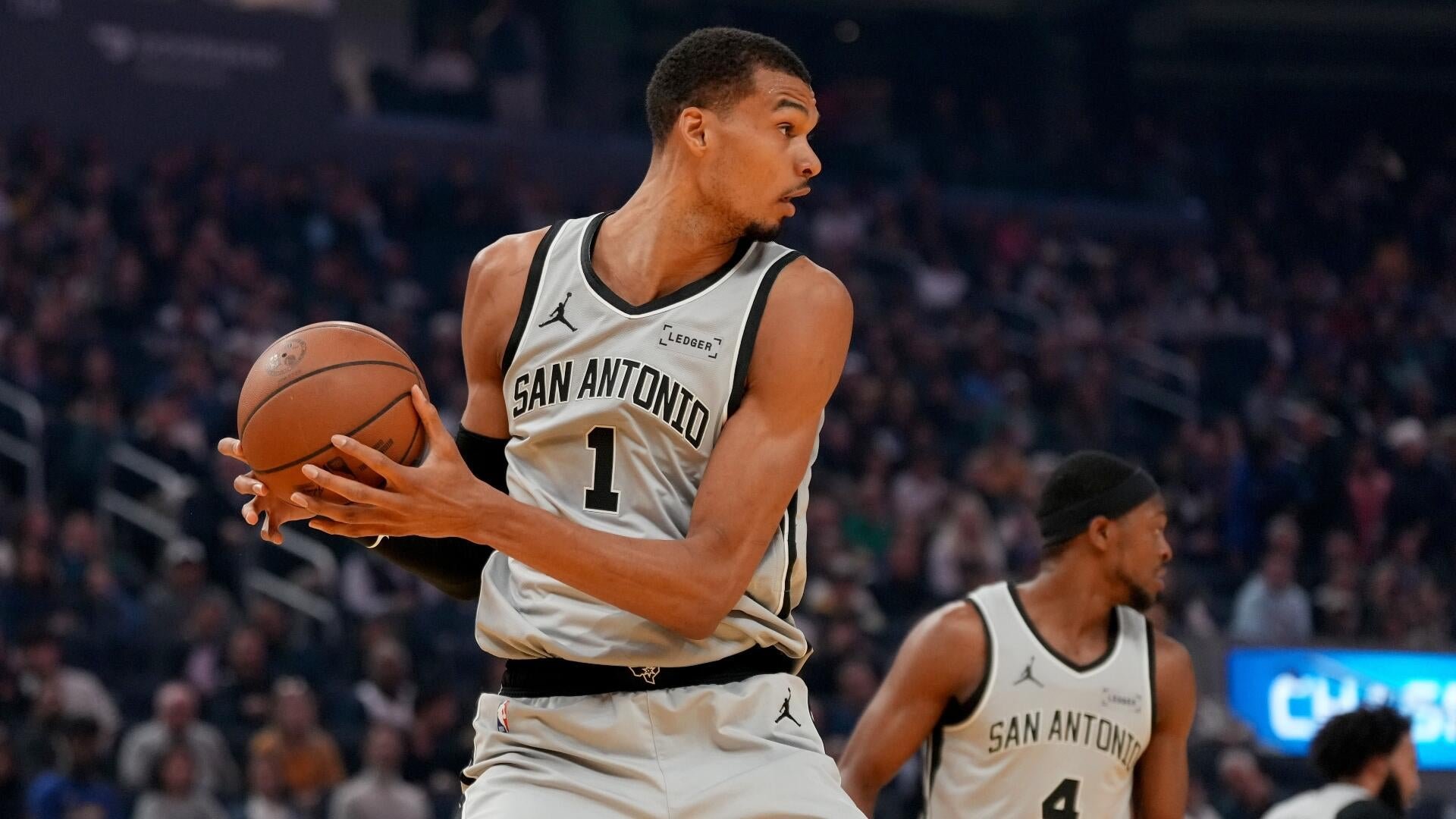
Shai Gilgeous-Alexander has spent the season operating with the calibrated precision of a player who knows exactly what a championship-caliber offense looks like. Victor Wembanyama spent the same months working the margins of a Spurs franchise still assembling the infrastructure to maximize what he can become. On Friday, May 22, 2026, these trajectories collide in Game 3 of their Western Conference Semifinal series—with Oklahoma City up two games to none, and with the basketball now demanding answers about both players' ceilings and the architectures built around them.
The Thunder's 2-0 lead is not a fluke of matchups. Oklahoma City entered the playoffs as the league's most efficient offense by net rating, a product of three seasons of deliberate construction: Gilgeous-Alexander's MVP-caliber scoring, a supporting cast developed through the draft and disciplined role allocation, and a defensive system that funnels opponents into difficult mid-range attempts. The Spurs, by contrast, arrive as a franchise in transition—Wembanyama's individual production (averaging 32.4 points per game in the series' first two contests) has kept San Antonio competitive, but the margin between staying close and winning at this level remains significant.
The betting markets have noticed. SportsLine's projection model as of May 22, 2026, installed Oklahoma City as decisive favorites for Friday's Game 3, reflecting both the home-court advantage the Thunder hold and the structural gap between a roster built for deep playoff runs and one still finding its identity. DraftKings and BetMGM promotional materials circulating ahead of the game reinforce the market consensus, with bonus bet offers targeting Thunder-Spurs as one of Friday's featured NBA matchups alongside Golden Knights-Avalanche in the NHL playoffs.
The SportsBook framing, while promotional, illuminates a structural tension the series itself has exposed: how quickly can San Antonio close a gap that took Oklahoma City three years of roster continuity to build? The Spurs have Wembanyama. They have a developing supporting cast. They do not yet have the defensive scheme, the perimeter depth, or the playoff-tested composure that Gilgeous-Alexander has accumulated across four consecutive postseason appearances with the Thunder.
What makes Friday's Game 3 more than a procedural checkpoint is what a Spurs victory would mean for how the league thinks about superstar timelines. Wembanyama has been exceptional in these playoffs. His 7-foot-4 frame, his three-point range, and his instincts for disruption have made him the most impactful interior defender in the series by any metric that survives basic statistical scrutiny. But the Thunder have shown, twice now, that they know how to weather those moments and execute the half-court sets that matter most in elimination games.
The counterargument—favored by those who believe in San Antonio's long-term trajectory—is that the gap between Games 1, 2, and 3 will narrow as the Spurs' role players gain comfort in playoff intensity. That argument has structural merit. Roster construction in the modern NBA is a multi-year project, and San Antonio's front office has signaled, through both its draft picks and its free-agency targeting, that it understands the timeline required to build around Wembanyama properly. Friday is not a judgment on that project. It is a checkpoint.
The broader context this series sits inside matters. NBA franchises have spent the last three seasons navigating a landscape shaped by star player agency, new media contracts, and the pressure to contend before rookie-scale contracts expire. Oklahoma City managed that pressure by extending core pieces early and building depth rather than chasing star acquisitions. The Spurs are attempting a different path—one that centers on internal development and strategic free-agency patience. Game 3 will not resolve which model is correct, but it will add another data point to an ongoing league-wide conversation about sustainable contention.
Whether or not the Thunder close out the series Friday, the Wembanyama-Gilgeous-Alexander dynamic has already done something valuable for the league: it has given the postseason a narrative axis that extends beyond legacy teams and established dynasties. For a league in which the championship picture has been dominated by Golden State, Miami, and Denver over the past decade, two stars under 26 reshaping a playoff series is its own kind of evidence that the NBA's competitive foundation remains deep.
The line on Game 3 will settle by tip-off. The larger question—whether San Antonio can close a gap measured not in talent but in experience and system cohesion—will take longer to answer.