Trump's Iran Ultimatum: The Deal That Was Never Going to Happen
Reports of Washington's frustration with stalled nuclear talks reveal not Iranian intransigence but a structural problem: the negotiation was designed to fail from the start.
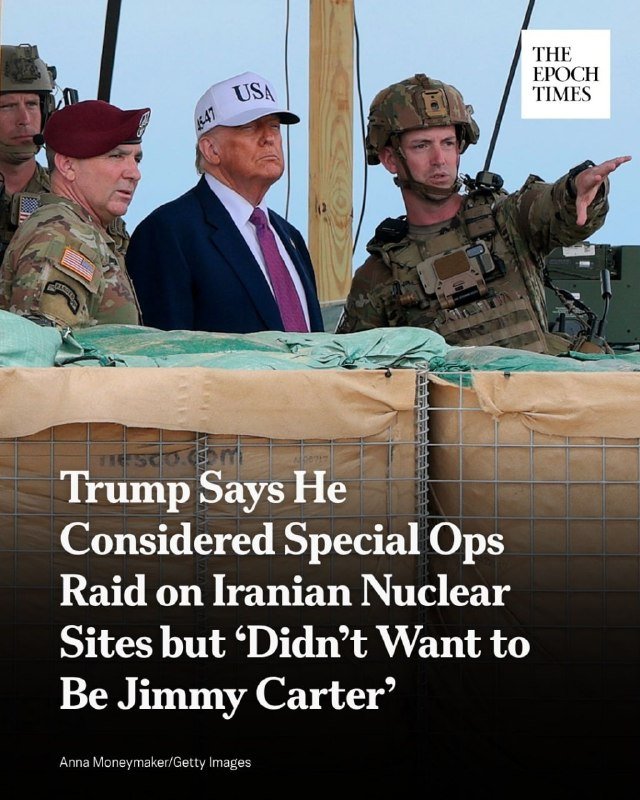
When an administration begins publicly floating threats before exhausting diplomatic channels, it typically signals one of two things: either genuine strategic intent or domestic political theater. The reports from Israeli media on 22 May 2026—suggesting President Trump may take "decisive action" against Iran—fall squarely into that ambiguity. What is clearer is the underlying reality: the nuclear negotiations that Washington publicly heralded as imminent have collapsed into procedural gridlock, with drafts circulating endlessly between offices without forward momentum.
The standard response to such reporting would be to treat it as a pressure tactic, the kind of strategic communication designed to move the other side off a position. That interpretation is almost certainly correct as a partial read. But partial reads are dangerous in geopolitics. The more important question is whether the threat reflects something deeper—something about the structural failure of the American approach to Tehran.
The Theater of Maximum Pressure
The Trump administration's Iran strategy has operated on a theory of leverage: impose enough economic and diplomatic cost, and the Iranian leadership will fold. The original "maximum pressure" campaign of 2018–2021 tested this theory with sweeping sanctions, the designation of the Islamic Revolutionary Guard Corps as a terrorist organization, and the targeted killing of Qasem Soleimani. The result was not capitulation. It was a more sophisticated Iranian nuclear program, a regional consolidation of anti-American forces, and negotiating positions that became progressively harder to unwind.
The current negotiations, which reportedly involve daily exchanges of draft language, suggest a different dynamic. Iran is not refusing to talk. It is talking extensively—but on terms that preserve its core interests: sanctions relief that is verifiable and durable, no demand for regime change, and acknowledgment of its regional standing. The drafts going "back and forth daily without progress," as one U.S. official described the situation on 22 May 2026, are not the product of Iranian bad faith. They are the product of incompatible objectives.
The Negotiation That Cannot Conclude
The fundamental problem with any U.S.-Iran nuclear agreement is the same problem that plagued the Joint Comprehensive Plan of Action: domestic political continuity. The original deal, negotiated under the Obama administration and ratified as a non-binding executive agreement, was abandoned by the Trump administration within three years of signing. Any successor agreement faces the same vulnerability. An Iranian leadership that spent years watching Washington shred the JCPOA has no reason to believe a new deal would survive a future administration change. The concessions Iran would need to make—significant reductions in enrichment capacity, inspections access, limits on research and development—are irreversible. The American commitments it would receive—sanctions relief, diplomatic normalization—are not.
This asymmetry is not an accident or a negotiating tactic. It is structural. Tehran's negotiating teams understand it clearly. The endless drafts, the daily back-and-forth, the "progress without conclusion" that U.S. officials describe—they are symptoms of a negotiation that cannot reach resolution because one side's leadership cannot make the commitments the other side requires.
What "Decisive Action" Actually Means
The threat of military force against Iran is not new. It has been a feature of American regional posturing since at least 2003. What has changed is the operational context. Iran's nuclear infrastructure is more dispersed, more hardened, and more capable than it was in 2003—or even in 2015. A military strike that meaningfully delays the program would require a sustained air campaign, significant special operations presence, and acceptance of substantial regional blowback. Iranian proxies across Iraq, Syria, Lebanon, and Yemen have demonstrated the ability to respond to perceived American aggression. A strike ordered from Washington would not be followed by a quiet period.
The administration may calculate that limited strikes—on specific nuclear facilities, targeting particularly sensitive assets—could be calibrated to impose costs without triggering broader escalation. That calculation has been made before. It was made, and rejected, by officials who now speak of "decisive action." The difference now is the frustration, the visible anger of a president who does not accept that his leverage has limits.
The Real Stakes
The most likely outcome of the current trajectory is not a deal and not immediate military action. It is an extended period of managed tension: sanctions maintained, negotiations ongoing in name, pressure applied through secondary channels, and periodic threats designed to keep Tehran off-balance. This is the outcome that benefits neither side but has historically been the path of least resistance for administrations of both parties.
The cost of that path is paid by others. Ukrainian civilians under ongoing Russian bombardment receive less attention and fewer resources as American strategic bandwidth is consumed by the Persian Gulf. The Global South watches as another potential diplomatic resolution collapses into confrontation, reinforcing the lesson that Washington prefers pressure to patience. And Iranian citizens—those who might benefit from sanctions relief and normalized international relations—remain trapped in an economic straitjacket, their options constrained by a leadership that cannot trust American commitments and an American leadership that cannot accept Iranian limitations.
The drafts will continue going back and forth. The threats will continue to be issued. And the fundamental reality—that this negotiation was structured to fail from the beginning—will remain, unacknowledged, at the center of every official statement.
Desk note: Wire coverage of the Iran negotiations has followed the standard diplomatic playbook—framing stalled talks as a failure of Iranian will rather than a structural impasse. Monexus notes that three separate Telegram aggregators—IntelSlava, BRICSNews—all ran the same Israeli-media report on the same day, suggesting the leak was deliberate. The question is whether the threat is designed to move the talks forward or to set conditions for a strike.
Wire provenance
This editorial synthesis draws on the following public wire/social posts:
- https://t.me/IntelSlava
- https://t.me/BRICSNews
- https://t.me/BRICSNews