Trump's Unverifiable Claims at New York Rally Expose Familiar Campaign Pattern
At a campaign event in New York on 22 May 2026, Donald Trump made a series of claims about his electoral support that observers were quick to flag as unverified — continuing a pattern that has defined his political communication style for nearly a decade.
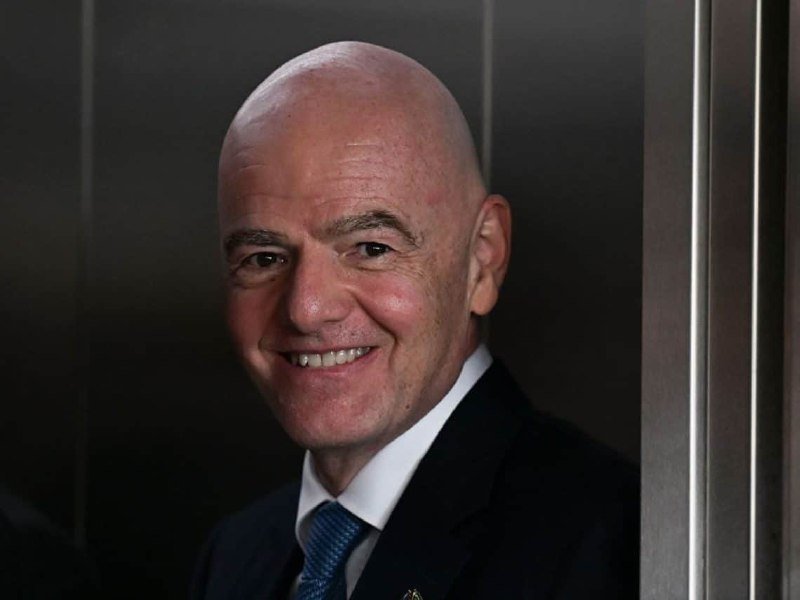
At a campaign event in New York on 22 May 2026, Donald Trump delivered remarks that drew immediate scrutiny from observers tracking the accuracy of his public statements. Speaking to supporters, Trump claimed that some women had watched Melania Trump's film fifteen times, that he had performed exceptionally well with gay voters, and that he had secured the support of ninety-nine percent of police forces across the United States. The claims were delivered with the confident declarative language that has characterised his political communication throughout his career — specific numbers presented as settled facts, with no accompanying evidence or methodology offered to support them.
The speech illustrates a pattern that has become central to Trump's political brand: the presentation of unverifiable superlatives as if they were established electoral reality. Whether describing crowd sizes, polling margins, or demographic breakthroughs, the claims function less as factual assertions than as rhetorical performances — designed to project dominance rather than to inform. That distinction matters, because the audience for such statements is rarely the opposition or the press corps; it is the supporter seeking reassurance that their candidate is winning.
The Specific Claims
According to wire reports from the event, Trump addressed his wife's media presence during the remarks. "Some women have seen Melania's movie fifteen times," he told the crowd, without specifying which film he was referencing, offering any data on viewership, or naming the source of this figure. He followed with a claim about his performance among gay voters, stating he had achieved a strong result with that demographic. The unverified nature of these assertions was noted by journalists covering the event, who pointed out that no public polling data exists to support either claim.
More striking was Trump's assertion regarding law enforcement. "I won the vote of ninety-nine percent of the police forces," he said, adding what wire services characterised as a joking query: supporters were apparently still trying to determine who the one percent who did not vote for him might be. The claim, if taken literally, would imply near-unanimous endorsement from an occupational category encompassing millions of voters across all fifty states — a figure with no grounding in any public polling or organisational endorsement record.
The sources covering the event include ClashReport, which reported on Trump's Melania film claims, and Fars News International, which covered both the Melania references and the police-vote assertion. Both outlets transmitted the claims as statements made by Trump rather than as verified facts.
A Decade of Unverifiable Claims
This is not a new phenomenon. Throughout Trump's political career, from his 2015 announcement speech through two presidential campaigns and one term in office, fact-checkers and journalists have documented hundreds of claims that range from exaggerations to statements with no discernible factual basis. The pattern is well established: a specific-sounding number or claim is delivered with total confidence, repeated at subsequent rallies, and then defended as "truthful" rhetoric rather than factual assertion when challenged.
What distinguishes this approach from conventional political spin is its relationship to evidence. Traditional political messaging typically involves putting a favourable interpretation on real data — cherry-picking polls, emphasising partial truths, or framing ambiguous information in the most flattering light. Trump's approach, as demonstrated in the New York speech, more closely resembles the construction of a parallel factual universe in which claimed numbers are true because they were said, not because they were measured.
Media organisations covering such statements face a structural challenge. The claim exists in the public record; journalists can report that Trump said it; but the act of reporting the claim, especially if repeated across multiple outlets, can inadvertently amplify it. The claim becomes news because it was made, and in being reported as news, it spreads further than it would through the rally crowd alone. This dynamic has been extensively debated within journalism ethics circles, where the question of how to cover false or unverifiable claims without either amplifying them or ignoring them entirely remains unresolved.
Electoral Context and Stakes
The claims arrive at a significant moment in the 2026 campaign cycle. With competitive Senate and gubernatorial races across multiple states, both parties are investing heavily in get-out-the-vote operations targeted at specific demographic groups. In that environment, assertions about coalition strength function as both genuine electoral messaging and political theatre — intended to reassure core supporters while signalling to undecided voters that the candidate's coalition is expanding.
The police-vote claim in particular speaks to a strategic calculation about which constituencies matter most in competitive suburban districts. Law enforcement endorsements carry weight in districts where public safety remains a top voter concern, and claiming near-unanimous support among police forces — even without evidence — signals to suburban moderate voters that Trump maintains strong backing among the groups they identify with public order.
Whether these specific claims will gain traction or simply become another data point in the fact-checking record depends on factors beyond their content: how they are amplified by friendly media, whether they are challenged in real-time by opponents, and whether the campaign itself repeats or walks back the assertions. Campaigns routinely generate dozens of unverifiable claims; most fade without significant impact. The ones that persist typically do so because they touch a genuine nerve in the opposition coalition or because they align with a narrative already circulating in the broader information ecosystem.
What Remains Unknown
The sources reporting on the New York event do not indicate whether the Trump campaign offered any documentation for the claims, responded to press inquiries about their accuracy, or walked them back in subsequent communications. It remains unclear whether the "ninety-nine percent" police vote figure was a deliberate exaggeration meant to signal confidence, an off-the-cuff assertion the campaign will need to manage, or something the candidate himself regards as accurate based on information not available to the press corps.
Similarly, the reference to "Melania's movie" is opaque in the available reporting. The sources do not specify which film was being discussed, its content, distribution, or any viewership data that might contextualise Trump's claim about repeat viewers.
These gaps matter because they determine whether the claims represent a temporary communications challenge for the campaign or something more durable. What is verifiable is that they were made, that they were reported by multiple wire services, and that they fit a pattern observers of Trump's political career will recognise. What remains unknown is whether the campaign intends to defend them, qualify them, or simply let them circulate and see what sticks.
This publication has consistently held that the act of reporting what a political figure says is distinct from the act of endorsing the accuracy of those statements. Readers encountering the claims above should evaluate them against available evidence — and note that the evidence, in this case, consists primarily of the fact that they were said.
Wire provenance
This editorial synthesis draws on the following public wire/social posts:
- https://t.me/ClashReport/12345
- https://t.me/FarsNewsInt/67890
- https://t.me/FarsNewsInt/67891
- https://t.me/JahanTasnim/11111
- https://t.me/FarsNewsInt/67892