Verstappen Contract Cloud Hangs Over Monaco as Rain Threatens Race Day
Max Verstappen has flagged that proposed 2027 rule changes could yet convince him to remain in Formula 1, even as meteorologists forecast a 60 percent chance of rain for race day in Monte Carlo.
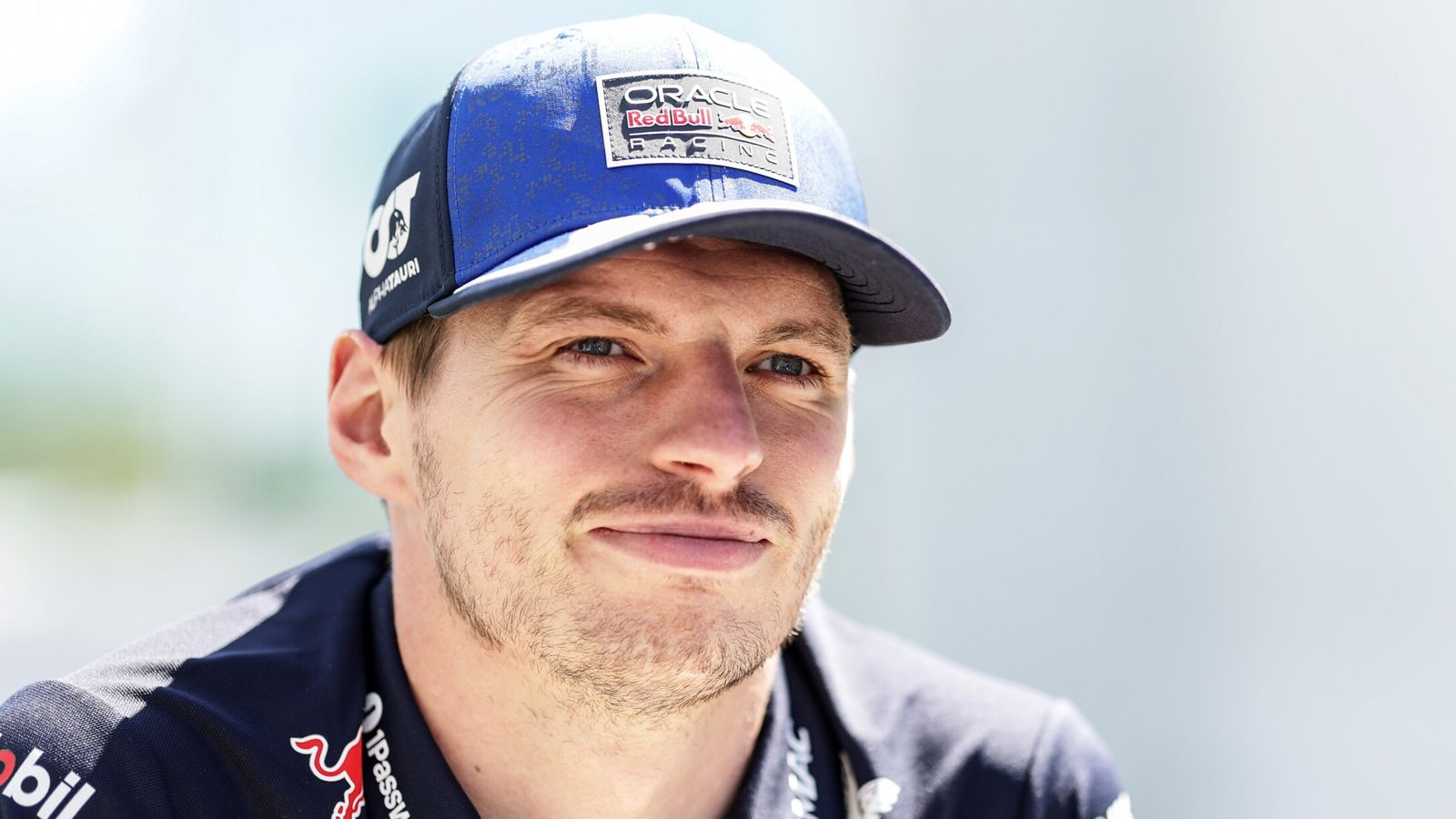
Max Verstappen arrived in Monaco on 21 May 2026 carrying a question he has deflected for months: how long does he want to keep racing in Formula 1? That same evening, meteorologists attached to the Formula 1 operations team published a 60 percent probability of rainfall for race day — a figure that, if it holds, could shuffle the order on a street circuit where tyre strategy and track position typically matter more than outright pace.
The Dutch driver's comments, published by Sky Sports on 21 May, represent the most direct signal yet that the proposed 2027 regulatory overhaul remains the hinge on which his long-term future turns. Verstappen did not confirm a departure. He did not confirm a renewal. He described the incoming technical framework as material to his thinking — a formulation that leaves the door open without promising to walk through it.
The Contract Calculus
Verstappen is contracted through the end of 2026. His future beyond that has been the subject of paddock speculation since early 2025, when Red Bull's internal hierarchy shifted and the long-term architecture of the team came under review. The 2027 rules package — which introduces significant aerodynamic and tyre changes designed to make cars harder to drive and racing more unpredictable — has been positioned by the FIA and by team principals as a reset moment for the sport.
Verstappen's public posture has been consistent: he will evaluate whether the product on offer matches his competitive ambitions. That is not a sentimental calculation. He has won three consecutive world championships in equipment that, for stretches of those seasons, was demonstrably the best on the grid. His leverage is not theoretical. The moment he signals genuine openness to offers, the competitive landscape for top seats shifts.
Weather as a Wild Card
The Monaco forecast introduces a separate layer of uncertainty. Rain on the harbour front circuit transforms the race from a procession into a probability matrix — one in which driver skill, car setup, and timing of a shower interact in ways that simulation cannot fully predict. Historical precedent is suggestive: some of the most dramatic Monaco finishes in recent memory unfolded under deteriorating conditions.
The 60 percent figure is a probability, not a certainty. Weather modelling for the Mediterranean in late May is generally reliable within a 48-hour window, but Monte Carlo's microclimate — bounded by cliffs on two sides and the sea on a third — can produce localised cells that official forecasts resolve imperfectly. Teams will calibrate their strategy sessions accordingly, preparing contingency tyre calls for both a dry race and one interrupted by standing water.
What a Verstappen Departure Would Mean for the Grid
If Verstappen were to step away, the redistribution of competitive talent would be the largest the sport has seen since Lewis Hamilton's move to Ferrari in 2025. Top seats at Red Bull, Mercedes, Ferrari, and McLaren would all be in play simultaneously — a scenario that the sport's commercial rights holder has a strong incentive to avoid in a season where television audience figures are under sustained pressure from competing entertainment formats.
The 2027 rules were designed partly with driver appeal in mind. Faster, less aerodynamically stable cars that demand more physical input from the driver are meant to make the category more desirable for competitors of Verstappen and Hamilton's generation — drivers who have privately told team principals that the current generation of cars, for all their raw speed, feel increasingly artificial to drive.
Whether that pitch lands with Verstappen specifically remains the outstanding question. The sport can control the technical product. It cannot control the driver's appetite.
The Forward View
Race day in Monaco will answer at least one of these questions definitively. The weather will declare itself. Verstappen will drive a race he has won twice before, in conditions that could range from benign to chaotic.
The contract question will not resolve in Monte Carlo. It is more likely to surface again in the paddock conversation after the summer break, once the 2027 regulations are finalized in technical detail and once the shape of the 2026 championship — and with it, the bargaining position of all parties — becomes clearer. What is already evident is that the sport's commercial future and the trajectory of one of its defining drivers are now entangled in a way that neither party fully controls.
This article was prepared before the official race-day weather update was issued. Check Monexus's live race coverage thread for real-time conditions from Monte Carlo.
Wire provenance
This editorial synthesis draws on the following public wire/social posts:
- https://t.me/formula1/19858