The Iran Deal and the Art of Strategic Pause
Reports of a US-Iran draft agreement deserve serious scrutiny — not because the moment lacks weight, but because the gap between announcement and implementation is where such deals typically die.
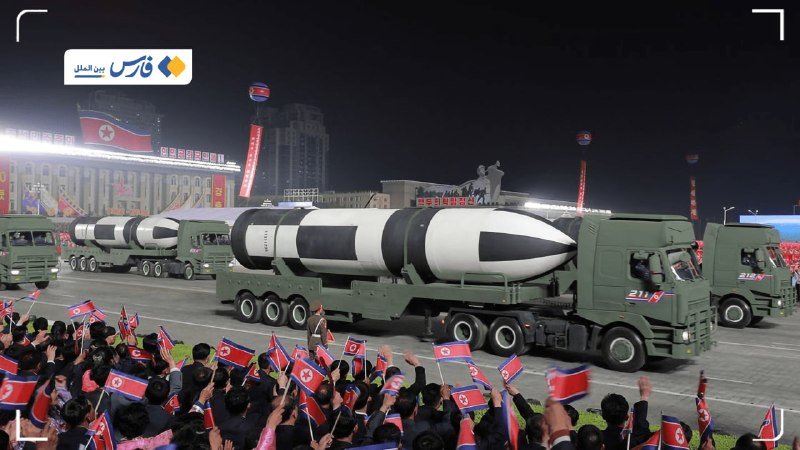
A draft peace proposal between the United States and Iran is expected to be announced by Sunday afternoon, 25 May 2026, a source close to the negotiations told The Washington Times. The framework was approved by top negotiators on both sides, including Iranian Parliament Speaker Mohammad Bagher Qalibaf and United States Vice President JD Vance, according to intelligence reports circulating on the evening of 23 May 2026.
The timing is deliberate. Trump has spent the past several weeks signaling openness to direct talks with Tehran — a reversal of the maximum-pressure posture his administration entered office with. What began as a campaign posture has, by all structural indicators, become a negotiating premise. Whether that premise is genuine or tactical is the right question to ask before treating this announcement as a geopolitical inflection point.
The record offers ample reason for skepticism. Obama's Joint Comprehensive Plan of Action delivered sanctions relief for nuclear restraints, and Trump tore it up in 2018 as a matter of stated principle. Biden spent two years attempting to resurrect the same framework and got nowhere. A second Trump administration inherits that failed inheritance — and Iran's calculus, shaped by years of compounding sanctions and internal dissent, may have shifted enough to make this round genuinely different.
The structural incentives for both sides are stronger than they appear at first glance. Trump approaches foreign policy as a transactional ledger, not a values project. A deal with Iran — however imperfect — lets him claim a historic diplomatic headline without the domestic political cost of admitting the JCPOA was the right framework all along. Iran, for its part, faces a regime under genuine economic pressure: sanctions are degrading living standards, and the clerical establishment's legitimacy depends increasingly on the appearance of national dignity, not its substance. Negotiation, under the right cover, serves both sides.
The regional dimension is where this gets complicated. Saudi Arabia has been signaling interest in a US security architecture that includes nuclear cooperation — a deal that normalizes Iranian status removes one obstacle to that bargain. Israel, whose government has treated Iran's ballistic programme as an existential threat, is unlikely to accept any framework that does not address delivery systems alongside enrichment. The UAE and Qatar, whose relationships with Washington rest on security partnerships but whose banking sectors have quietly maintained Iranian corridors, will watch carefully. A US-Iran deal redraws the map of Gulf security architecture, and not all the redrawing will be clean.
The wider frame matters too. If the United States can reach a framework agreement with a state it spent two decades designating a sponsor of terrorism, the nonproliferation regime absorbs a significant structural shock. The precedent — that direct negotiation produces better outcomes than indefinite pressure — circulates in capitals across the Global South. Whether that reading is accurate or aspirational depends entirely on what the deal contains and whether it survives contact with implementation.
The deal's announcement is not the same as its survival. An announcement alone shifts oil futures and weakens Russia's ability to position itself as the indispensable partner to a besieged Iran. It gives both governments something to show domestic audiences. But the measure of this moment will be what follows the ceremony — whether Trump is willing to enforce constraints when Iran tests them, and whether Iranian hardliners allow the clerical establishment to claim credit for results that required compromise. Sunday's announcement may be real or tactical. The evidence for answering that question does not yet exist.
Wire provenance
This editorial synthesis draws on the following public wire/social posts:
- https://t.me/osintlive/1247
- https://t.me/rnintel/892
- https://t.me/osintlive/1245