Iran, Pakistan, and the Fragile Architecture of a US-Iran Nuclear Détente
Iranian officials confirmed on 23 May 2026 that a memorandum of understanding has been reached with Pakistan as mediator, pending Washington's response. The framework offers a diplomatic opening — but deep gaps remain, and the market puts just a 9% probability on the most contentious concession.
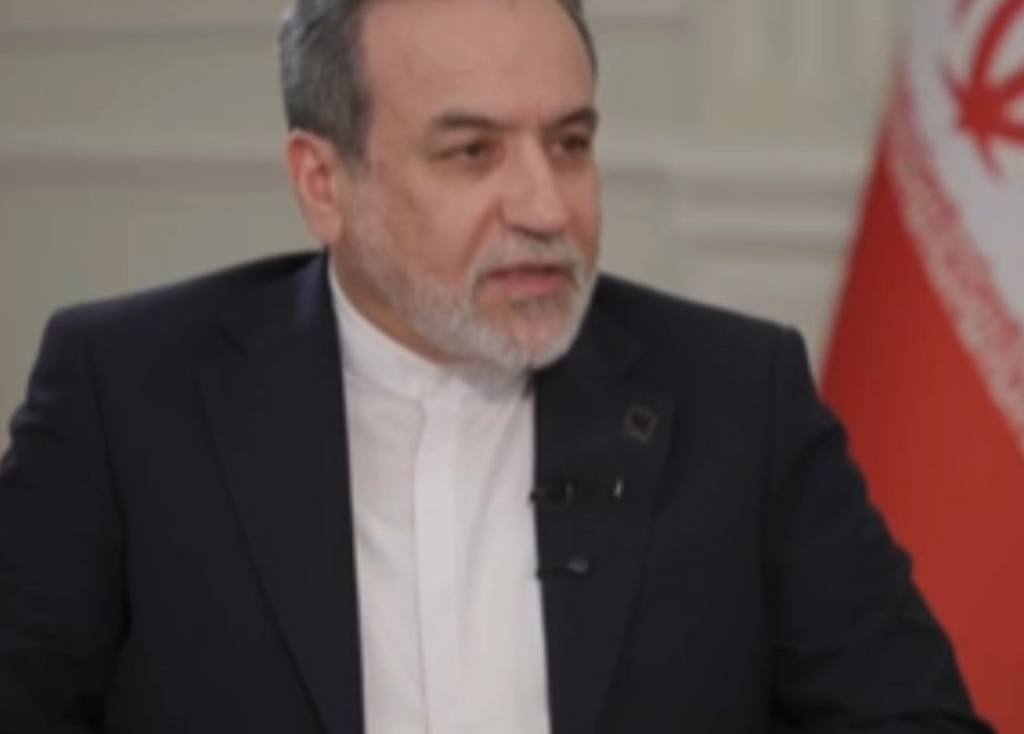
The MoU and What It Covers
Iranian officials confirmed on 23 May 2026 that a memorandum of understanding has been reached with Pakistan as mediator in the ongoing nuclear talks with the United States. An Iranian source told Al Jazeera that the document was jointly agreed upon with Islamabad and is now awaiting the American response, with the understanding that Pakistan will announce the MoU once it has coordinated the timing with Washington.
The substance of the agreement covers two interlocking demands. The first is an end to the conflict — language that, in the context of months of heightened regional tension, amounts to a commitment to de-escalation. The second is a lifting of the blockade, a reference to the sanctions architecture that has progressively strangled Iran's oil revenues and banking access since 2018. Neither side has published the full text, and both governments have declined to specify which exact sanctions categories would be affected. That ambiguity is deliberate: it allows each party to sell a provisional agreement to domestic constituencies without making politically irreversible commitments before a final deal is sealed.
Foreign Ministry spokesman Esmail Baghaei addressed the diplomatic temperature directly. "No one should bring threat messages to Iran," he said at a press briefing in Tehran, adding that Tehran was grateful for Pakistan's role in "strengthening diplomacy." The language was calibrated — firm enough to signal resolve, restrained enough to leave the negotiating window open.
Iran's Concession on Sanctions
The most consequential detail to emerge from the talks is a reported concession by Tehran on the sequencing of sanctions relief. According to intelligence reporting cited by regional monitoring channels, Iran has dropped its previous demand that sanctions be removed before formal nuclear negotiations can begin. In exchange, Iran secured an agreement that sanctions relief discussions will be held at a subsequent stage — after the nuclear framework itself is agreed in principle.
This is not a minor procedural adjustment. Iran's negotiating position under previous rounds had insisted that any goodwill gesture toward talks be matched by immediate economic relief. The American position, backed by the so-called maximum pressure framework, held that sanctions relief was a reward for demonstrable concessions — not a precondition for sitting down. Iran has now moved toward the American framing on sequencing, even if not on the underlying principle that sanctions should eventually lift. Whether this represents a strategic recalculation under economic pressure or a tactical manoeuvre to buy time remains contested. The market's read is instructive: Polymarket's trading implied roughly a 9% probability, as of 22 May 2026, that Iran would agree to surrender its enriched uranium by the end of that month — a provision that would represent the most invasive concession on the nuclear file and one Tehran has historically guarded jealously.
The enriched uranium question is the crux. Iran has accumulated enough 60-percent enriched material to, if further processed, bring a weapons-adjacent capability closer. Surrendering that stock — rather than simply agreeing to limit future enrichment — would represent a structural rollback that no Iranian government has so far been willing to publicly contemplate. The low Polymarket probability reflects that difficulty.
The 30-to-60-Day Framework
The draft memorandum reportedly incorporates a 30-to-60-day deadline for resolving outstanding issues, but with an important caveat on timing: the clock begins when both parties sign, not when the MoU is publicly announced. That distinction matters practically. As long as the American side has not formally endorsed the framework, the negotiating period has not yet commenced in any legally operative sense. Tehran and Islamabad can announce progress without triggering any binding obligations. Washington retains the ability to review, amend, or decline.
The framework's structure suggests both sides are trying to manufacture urgency without committing to a deadline that could become politically unmanageable domestically. American officials face a Congress that has shown limited appetite for any agreement that does not include intrusive verification. Iranian officials face a hardline constituency that interprets any voluntary surrender of nuclear capability as capitulation. The 30-to-60-day window is designed to compress the period in which both governments must manage those constituencies — without foreclosing the possibility of extensions if substantive progress is being made.
Baghaei's own assessment captured the paradox precisely. "We are both very far from and very close to an agreement," he said. "The views have become closer, not to the point of an agreement but to the point of finding a solution." The formulation is less diplomatic boilerplate than it appears. It suggests that the two governments have moved from being fundamentally misaligned on objectives to being misaligned on pace and sequencing — a narrower gap, but one that has historically proven just as difficult to close in nuclear negotiations.
Stakes and What Comes Next
The structural stakes are considerable. A functioning nuclear agreement with Iran would remove one of the most persistent sources of regional instability in the Middle East, recalibrate the strategic calculations of Israel, Saudi Arabia, and the Gulf states, and create — however provisionally — a different architecture for nonproliferation in a region that has watched North Korea's nuclear programme go from crisis to fait accompli over four decades. It would also, if it includes meaningful sanctions relief, shift the economics of the global oil market in ways that producers in the Gulf will watch closely.
The alternative — a breakdown in talks — risks accelerating the trajectory toward a crisis that previous administrations managed through a combination of sanctions enforcement and back-channel communication. A collapsed negotiation leaves both governments in a worse position than before: Iran under more severe sanctions pressure with more enriched material, the United States without a diplomatic off-ramp that domestic politics might tolerate.
What the sources do not specify is what verification mechanisms are attached to any final agreement, whether the Trump administration has endorsed the MoU's framework in substance or merely acknowledged its receipt, or how Israel — which has repeatedly reserved the right to act unilaterally against Iran's nuclear programme — has responded to the Pakistani mediation effort. Those gaps in the record matter. They are also, for now, the only honest answer to what comes next.
Monexus covered this development against a backdrop of renewed Western focus on Iran's nuclear timeline. The wire framing emphasised the diplomatic milestone of a MoU; this article foregrounds the sequencing concession and the gap between stated progress and the verified surrender of enriched material that any durable deal would require.
Wire provenance
This editorial synthesis draws on the following public wire/social posts:
- https://t.me/rnintel/4821
- https://t.me/rnintel/4823
- https://t.me/rnintel/4824
- https://t.me/rnintel/4820
- https://t.me/wfwitness/4826
- https://t.me/GeoPWatch/4829