Israeli Airstrikes Hit Southern Lebanon City of Nabatieh, Local Sources Report Multiple Casualties
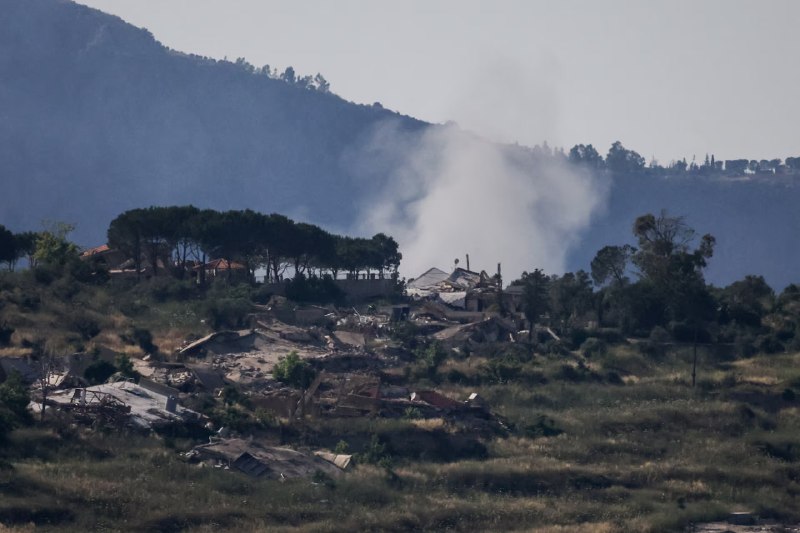
Israeli warplanes struck the southern Lebanese city of Nabatieh on Friday, 23 May 2026, according to breaking reports from regional sources. A second strike hit the nearby town of Sir al-Gharbiya, within the same southern Lebanese district. Local accounts described the attack on Sir al-Gharbiya as resulting in civilian casualties, with witnesses reporting that women and children were among those affected.
The strikes represent a significant intensification of hostilities along the Israel-Lebanon border, where cross-border exchanges have escalated sharply over recent months. Israeli military officials have framed continued operations in southern Lebanon as necessary responses to threats posed by armed groups operating near the border. The sources do not indicate whether Israeli authorities had provided advance warning to civilian populations in the targeted areas, a point that carries weight under international humanitarian law governing conduct in populated zones.
Scope and Immediate Context
Friday's strikes targeted Nabatieh, one of southern Lebanon's largest towns and a historic zone of influence for Lebanese political and armed factions. The attack on Sir al-Gharbiya, described by local sources as causing multiple injuries, came amid a broader pattern of Israeli operations across the Nabatieh district. Witnesses speaking to regional media described scenes of panic as warplanes flew overhead before the strikes landed.
Israeli military briefings have justified the sustained campaign in southern Lebanon as targeting infrastructure affiliated with armed groups that have conducted rocket and missile fire into Israeli territory. Israeli officials have not yet issued a formal statement specifically addressing Friday's strikes on Nabatieh and Sir al-Gharbiya. The sources reviewed do not include an Israeli military spokesperson on the record for this incident.
Civilian Harm and Verification Constraints
The accounts of civilian casualties emerging from Sir al-Gharbiya remain provisional. Local reporting described an incident in which mostly women and children were reportedly affected, but independent verification of specific casualty figures was not available at time of publication. International humanitarian standards require that attacks distinguish between military objectives and civilian populations; any strike resulting in civilian harm in an area without a confirmed military target invites scrutiny under those same standards.
The sources reviewed do not indicate whether Hezbollah or any armed faction maintained a presence at the specific location struck in Sir al-Gharbiya. Without that verification, the incident falls into the contested space between a targeted military operation and an attack that may have resulted in disproportionate civilian harm.
Regional Implications
The strikes occur against a backdrop of sustained escalation that has placed Lebanon's civilian infrastructure under pressure. Southern Lebanon has seen repeated Israeli operations in recent weeks, displacing communities and straining local services. The targeting of Nabatieh, a city with a substantial civilian population, signals continued willingness to conduct operations in densely inhabited areas, a practice that international observers have flagged as raising legal and humanitarian concerns.
Hezbollah has responded to Israeli operations with volleys of rockets and missiles into northern Israel, prompting evacuation orders affecting tens of thousands of Israeli civilians near the border. The cycle of strikes and retaliations has foreclosed diplomatic negotiations that might otherwise offer a path toward ceasefire, leaving both civilian populations on either side of the border in continued jeopardy.
Broader regional dynamics remain in flux. The ongoing Gaza conflict, which has consumed significant diplomatic bandwidth, continues to shape calculations in multiple capitals. Whether Israel escalates further in Lebanon or faces pressure to negotiate remains uncertain; the sources do not indicate shifts in the posture of either the Israeli war cabinet or Lebanese government officials in the immediate aftermath of Friday's strikes.
What Remains Unresolved
Several questions central to understanding Friday's attack have not been answered by available sources. Israeli military officials have not clarified what intelligence, if any, linked the targeted locations in Sir al-Gharbiya to armed group activity. The number of civilian casualties remains contested pending independent confirmation. It is unclear whether international mediators, including those from the United States, France, or the United Nations Interim Force in Lebanon (UNIFIL), were in contact with either party at the time of the strikes.
The longer-term trajectory points toward continued instability. Neither Israel nor Hezbollah has shown willingness to accept terms that the other side finds acceptable, and neither has faced sufficient international pressure to compel de-escalation. For Lebanese civilians in the south, the immediate reality is a landscape in which urban centers are no longer regarded as categorically protected from air campaigns.
This publication's coverage prioritizes first-hand and regional reporting over wire-service framing. Initial accounts of Friday's strikes appeared via regional Telegram channels before Western wire services had confirmed details; Monexus drew on those primary sources while noting the limits of independent verification at time of writing.
Wire provenance
This editorial synthesis draws on the following public wire/social posts:
- https://t.me/thecradlemedia/48281
- https://t.me/TheCradleMedia/48281
- https://t.me/thecradlemedia/48280
- https://t.me/TheCradleMedia/48280