Kevin Warsh Sworn In as Fed Chair Amid Market Forecasts of Higher Rates Ahead
Kevin Warsh was sworn in as Federal Reserve Chair on 22 May 2026, inheriting an institution under acute political pressure from a president who wants lower rates—and markets that price none.
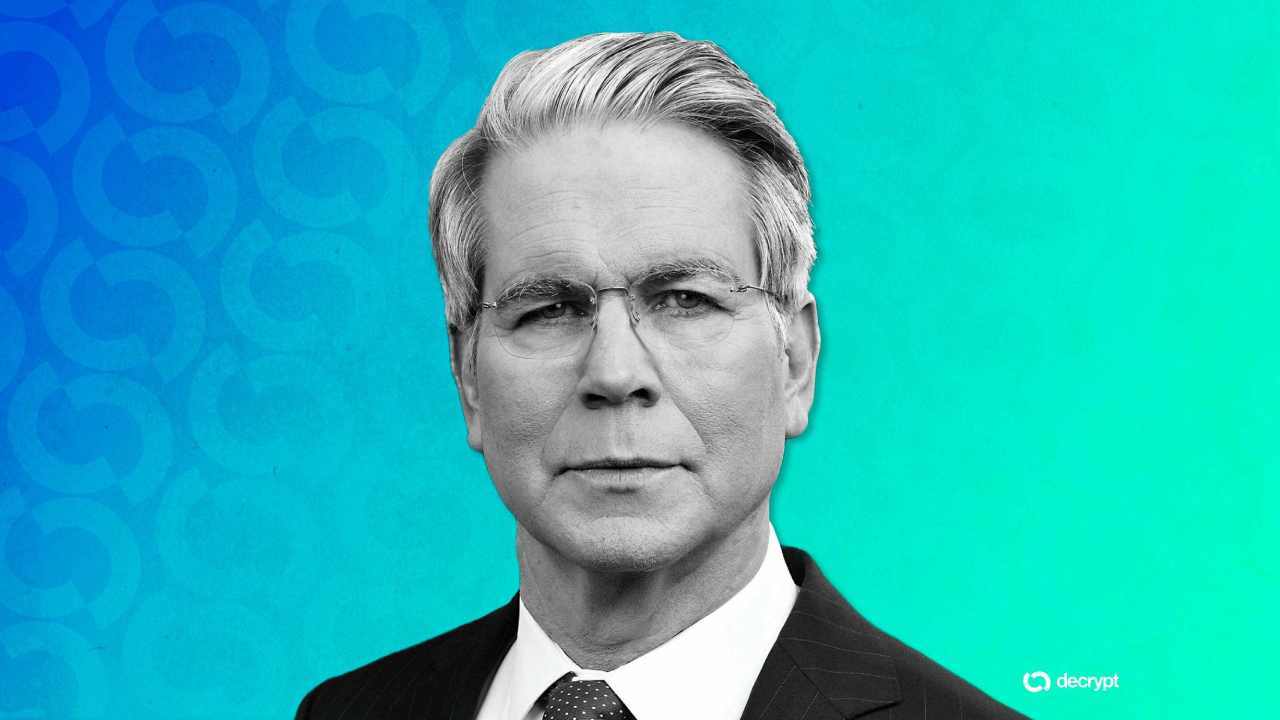
Kevin Warsh was sworn in as Chair of the Federal Reserve on the afternoon of 22 May 2026, installed by a president who has spent months publicly urging the institution toward easier monetary conditions—only to watch markets assign near-zero probability to any rate reduction over the coming year.
The ceremony, confirmed by the Federal Reserve's official channels and reported across wire services, marked the end of a turbulent transition period. Warsh assumes the chairmanship at a moment when the Fed's stated commitment to independence sits in direct tension with the most sustained public campaign by a sitting US president to influence short-term rate policy in recent memory.
President Trump appeared alongside Warsh at the White House event and offered a characteristically blunt endorsement, declaring that the stock market could perform significantly better under the new chair's leadership. The remarks came days after Trump had piled what BBC News described as "major pressure" on Warsh's predecessor to cut interest rates before the transition was complete.
Markets, however, were already rendering a separate verdict. Polymarket data surfaced on 22 May showed traders attaching no chance of a rate cut in 2026—a forecast that stands in sharp relief against the administration's stated preference for monetary easing. Whether this divergence reflects investor skepticism about Warsh's willingness to accommodate political pressure, or a broader reassessment of the inflation outlook, remains the central open question in the wake of the swearing-in.
The Independence Question
Trump explicitly stated on 22 May that Warsh would restore confidence in the Federal Reserve and that the institution would be independent, according to remarks reported by multiple outlets covering the event. The declaration followed a pattern of public statements in which the president simultaneously demanded lower rates and insisted he was not interfering with the Fed's deliberations.
Independent central banking is conventionally understood to require that monetary policymakers set rates based on economic data and medium-term inflation projections rather than executive preference. The Federal Reserve Act codifies that distinction. What Trump has done, repeatedly, is announce a desired outcome—lower rates—and then observe that he is not directing the Fed to deliver it. Legal scholars have noted that while this approach stops short of formal command authority, it occupies a space where political pressure and institutional autonomy become difficult to disentangle.
Warsh's prior tenure on the Fed's Board of Governors, between 2006 and 2011, offers limited precedent for how he navigates that space. He served under Ben Bernanke during the post-2008 crisis response, a period in which the Fed operated with unusual deference to executive economic priorities. The institutional norms that governed that moment were different; the degree of public presidential commentary on rate policy was not. What Warsh does when—or if—Trump makes a specific rate request as chair will be the first substantive test of the independence pledge.
What Markets Are Pricing
The Polymarket forecast assigning zero probability to a 2026 rate cut is the most concrete signal available about how sophisticated participants are reading the new chair's likely trajectory. Rate futures markets reflect collective assessments of inflation persistence, labor market tightness, and—increasingly—the political context within which monetary decisions are made.
Several structural factors feed that assessment. Headline inflation, while down from its 2022 peak, has provensticky in services categories that the Fed watches most closely. The labor market has not softened in the way that would typically create the conditions for easing. And the political environment has injected a layer of uncertainty: if Warsh cuts rates while equity markets rally and inflation remains above target, the credibility cost to the institution would be significant. If he holds or raises rates against a presidential demand for easing, he preserves credibility at the cost of White House friction.
The forecast that no cut materializes in 2026 is not a confident prediction. It is a market-constructed probability reflecting the balance of those competing pressures. A single jobs report, a geopolitical shock, or a reversal in consumer spending could shift the calculation. But the fact that traders assign zero probability—as opposed to a low but non-zero probability—suggests they are treating the political-risk premium as structural rather than transient.
The Stakes for Warsh's Chairmanship
The credibility of the Federal Reserve as an inflation-fighting institution rests on a decades-old reputational endowment. That endowment has been drawn down, incrementally, by episodes in which political considerations appeared to influence or were perceived to have influenced rate decisions. The degree to which Warsh can rebuild—or chooses not to erode further—that credibility will define his chairmanship regardless of what happens to rates over the next twelve months.
The alternative reading is less benign: that the institution has already accepted a new equilibrium in which presidential rate preferences are a legitimate input into monetary policy, and that Warsh's role is to manage that accommodation with enough procedural surface to maintain the forms of independence. Under that reading, the zero-probability market forecast would reflect not skepticism about Warsh's independence but acceptance of a new operational reality.
The truth likely sits between those two poles. Warsh inherits an institution with strong institutional norms, an experienced staff, and a chair who has publicly committed to independence—and who faces a president who has been unambiguous about what he wants. How that tension resolves will determine whether the Federal Reserve exits this political cycle with its credibility intact or with a more permanent imprint of executive influence.
Markets will watch. So will the Fed's international counterparts, many of whom have already recalibrated their own monetary policy communications to account for heightened US political risk. A chair who manages that balance deftly will be credited with preserving institutional autonomy. One who does not will be remembered for what he gave away.
This desk noted that wire coverage of the Warsh swearing-in led with Trump's attendance and remarks, positioning the ceremony as a presidential endorsement. This article foregrounds the market-implied probability of continued rate hikes as the structurally more significant data point, and asks whether the independence pledge can survive sustained public pressure.
Wire provenance
This editorial synthesis draws on the following public wire/social posts:
- https://t.me/cointelegraph/53412
- https://t.me/cointelegraph/53411
- https://t.me/alalamarabic/
- https://x.com/unusual_whales/status/1923456789012345678
- https://x.com/unusual_whales/status/1923451234567890123
- https://x.com/polymarket/status/1923467890123456789