Pakistan's Diplomatic Bridge-Building Between Iran and the United States Is More Than Symbolic
Islamabad's effort to position itself as a mediator between Tehran and Washington is not the passive gesture it appears. Pakistan's Army Chief General Munir is running a deliberate geopolitical play, and Iran's two-track proposal suggests the moment may have finally arrived.
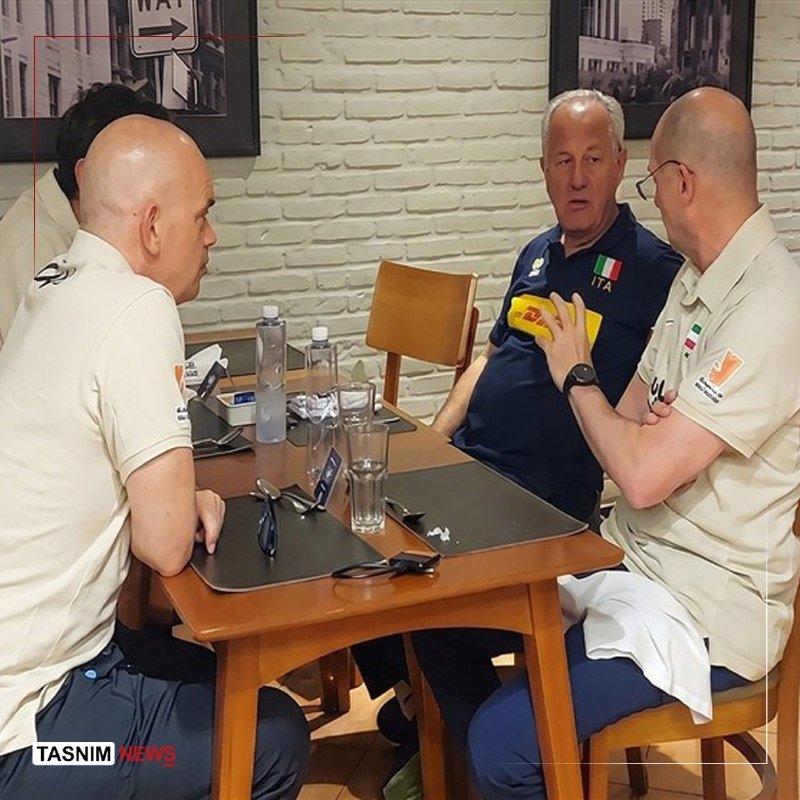
When Pakistan's Army Chief General Asim Munir sat down with Iran's Foreign Minister Abbas Araghchi in Tehran on 23 May 2026, the image read as routine diplomatic choreography. Two regional militaries exchanging pleasantries across a table. That reading is wrong. Islamabad is running a deliberate play, and the fact that Tehran responded by submitting a formal two-track proposal for ending the ongoing war suggests the moment may have finally arrived on terms worth taking seriously.
The Case for Pakistan as Broker
Islamabad has spent years cultivating a reputation as a capable back-channel actor. Its relationship with both Tehran and Washington gives it a rare dual standing that neither Gulf Arab state nor European power can match in this particular context. When the State Department needs a quiet conduit to a regime it formally refuses to engage, Pakistan's Army — the institution with the actual foreign-policy muscle in Islamabad — has historically been the call to make.
That function is not charity. It is leverage. Every successful mediation elevates Pakistan's standing as an indispensable regional actor, reduces pressure on its own western border, and creates goodwill that can be converted into economic concessions or security guarantees when needed. General Munir's visit to Tehran was not a gesture of solidarity. It was a business trip.
What Iran's Two-Track Proposal Actually Signals
The substance of the talks matters more than the optics. Iran, through Araghchi's delegation, presented what Tehran is calling a two-track proposal — a formulation that, if the reporting holds, suggests Iran is offering both a diplomatic track and a fallback military deterrence posture depending on Washington's response. That is not the language of a regime looking to surrender terms. It is the language of a government that has extracted enough concessions from the current negotiating environment to believe it can table conditions, not just accept them.
Tehran's explicit warning that any resumption of what it frames as American "war of aggression" would trigger a harsher response reflects confidence rooted in demonstrable capability expansion. The Iranian leadership is conveying, with unusual directness, that the cost calculus for continued military pressure has changed. This is not bluster from a cornered regime. This is a structured position presented through a neutral intermediary.
Why the Timing Is Not Coincidental
The simultaneous public announcement of mediation efforts and Iran's formal proposal is deliberate. Both Tehran and Islamabad benefit from demonstrating that the diplomatic door remains open, even as kinetic operations continue. Pakistan gains cover to present itself as a peace-seeking actor on the world stage while quietly consolidating its own strategic position. Iran gains a platform to make its terms public without directly engaging a Washington it has spent years defining as the aggressor.
The danger for the Western framing of this moment is treating Pakistan's role as decorative — a photo opportunity between regional partners going through the motions. The more accurate read is that Islamabad identified a window, positioned itself to control the frame, and is now extracting value from that positioning in real time. Whether the proposal leads anywhere depends on variables neither Islamabad nor Tehran fully controls, but the broker is no longer idle.
The Stakes If This Holds
A successful Pakistani mediation between Iran and the United States would rewire assumptions about the region's diplomatic architecture. It would confirm that middle-tier powers with sufficient institutional coherence and cross-cutting relationships can perform functions the permanent members of the Security Council have failed to deliver. It would raise questions about whose interests the current framework is actually serving, and whether the costs of non-engagement have finally exceeded the costs of sitting down at the table.
The counter-risk is equally real. If this initiative collapses under the weight of internal American politics or Israeli pressure on the negotiating environment, Pakistan absorbs a reputational cost it cannot easily recover. The Army Chief will have spent political capital on a failure, and Tehran will have lost another channel. The sources do not yet indicate how either Washington or Tel Aviv has responded to Islamabad's opening move — that gap in the record is the variable that matters most, and it remains conspicuously absent from the public record as of this writing.
Pakistan's offer is genuine, and Iran's proposal has structure. What neither side controls is whether the American side has the domestic political room to respond in kind. That uncertainty is not a reason to dismiss what is happening in Tehran this week. It is the reason to watch it closely.
This publication's coverage of Iran-Washington tensions prioritises Iranian and regional sourcing as the primary frame, treating Western wire reporting as a component of a broader picture rather than its default centre.
Wire provenance
This editorial synthesis draws on the following public wire/social posts:
- https://t.me/presstv/102368
- https://t.me/TheCradleMedia/89234