Roland Garros Opens Revenue-Sharing Door After Player Boycott Threatens Media Day
Roland Garros officials held what they described as a positive meeting with player representatives on 23 May 2026, a day after boycott threats disrupted the tournament's media schedule, opening what may become a structural reset of how Grand Slam revenues are distributed between events and competitors.
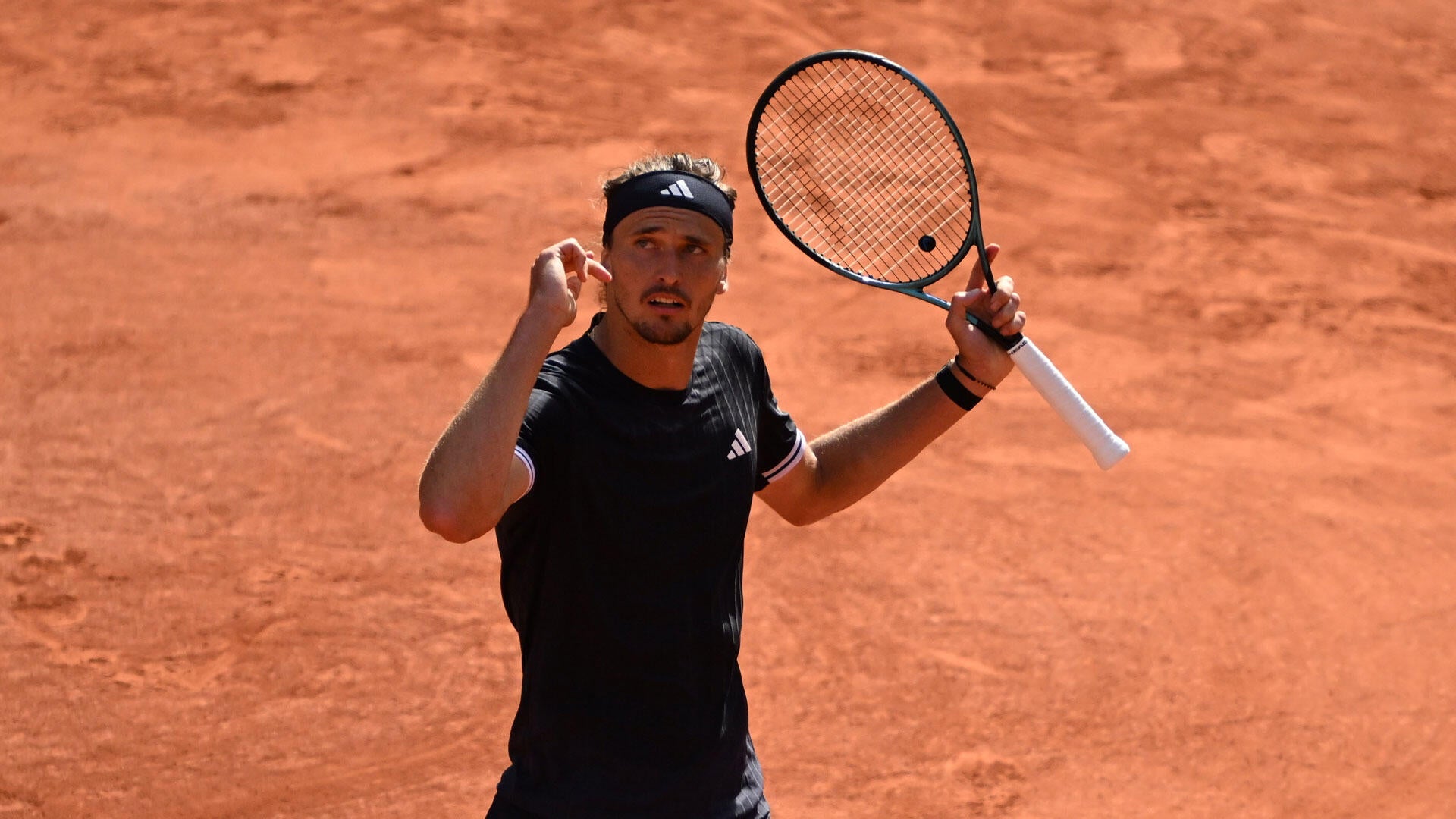
When a sport's marquee event cannot get its headline performers in front of cameras, something has broken. That is what unfolded at Roland Garros on 23 May 2026, when the French Open's media day programme collapsed under the weight of a player boycott — and what made the day's subsequent meeting between tournament director Amélie Oudéa-Castéra and player representatives consequential enough to warrant a breaking-news bulletin from Al Jazeera hours later.
The boycott was not absolute. Players did not walk off mid-match or refuse to compete. But a coordinated withdrawal from scheduled media obligations — a soft but effective form of pressure that still generates negative headlines for the sport's most powerful institutions — signalled that the discontent circulating among ATP and WTA professionals for the better part of two years had hardened into something more structured and harder to dismiss. The French Tennis Federation (FFT), which organises Roland Garros, responded not with a communiqué defending its position but by sitting down at a table.
What the meeting produced
Al Jazeera's wire report, filed at 14:40 UTC on 23 May, described the encounter as "positive" — a word chosen carefully in diplomatic contexts and one that, in this instance, signals at minimum a mutual willingness to continue talking rather than a finished agreement. Oudéa-Castéra, who has held the tournament director role since 2024, addressed what player representatives have repeatedly flagged as the central grievance: that Grand Slam events generate revenues that dwarf the prize money distributed to the athletes who produce them, and that the share flowing to competitors has not kept pace.
The FFT has not disclosed specific figures from the negotiations. That is standard practice at this stage of any sports-rights negotiation — nobody announces their opening position publicly. But the direction of travel is clear from the language both sides have used in recent months. Player associations representing both the men's and women's tours have called for a structural review of how tennis蛋糕 is divided, arguing that the four Grand Slams — Roland Garros, Wimbledon, the US Open, and the Australian Open — retain a disproportionate share of revenues relative to the regular tour calendar that fills their events' fields and sustains their commercial appeal.
The structural context: who holds the leverage
Grand Slam tournaments occupy a peculiar position in professional tennis. They are the four crown-jewel events of the sport, and participation is effectively mandatory for any player with ambitions of competing for major titles. That mandatory quality is itself a form of leverage that tournaments have historically used to resist revenue-sharing demands: you cannot replace Roger Federer or Iga Świątek with the next tier of professionals and expect the television rights to retain their value.
But that leverage is not unlimited, and players know it. The ATP and WTA tours have in recent years strengthened the collective voice of their rank-and-file members through formal player-board structures, and the threat of a boycott at a Grand Slam — even an imperfectly coordinated one — carries reputational damage that no tournament wants to absorb. The Australian Open has navigated similar tensions in the past. The ATP's own Player Council has periodically clashed with tour management over media commitments and financial distributions. The pattern is consistent across the sport: when players act collectively, even partially, tournaments tend to move.
What remains less clear from the Al Jazeera report is where the FFT is willing to move. A "positive" meeting can produce a genuine framework for revenue redistribution, or it can result in a cosmetic increase in prize money designed to defuse the immediate pressure without addressing the structural complaint. The sources reviewed by this publication do not yet establish which outcome is more likely.
Broader implications for professional tennis
If this negotiation produces a meaningful shift at Roland Garros, it will not remain an isolated French development. The other three Grand Slam federations — the All England Lawn Tennis Club (Wimbledon), the United States Tennis Association (US Open), and Tennis Australia (Australian Open) — have watched their players' collective patience erode over the same period. A precedent set in Paris, in either direction, will shape what happens in London in July, in New York in August, and in Melbourne in January.
The financial scale is not trivial. Grand Slam prize money totals have grown substantially over the past decade, but the rate of growth has not matched the increase in broadcast rights revenues that these events command. The ATP's annual revenue figures, filed with appropriate commercial confidentiality, suggest the tours themselves are generating returns that dwarf the distributions that flow back to the players who generate them — a dynamic that has fueled discontent across multiple professional sports and is now reaching a breaking point in tennis.
There is also a governance dimension that the Al Jazeera report does not address: what role, if any, the ATP and WTA tours themselves will play in the renegotiation of Grand Slam revenue shares. The Grand Slams operate as a semi-independent bloc within the sport's governance structure, and the tours have long argued that their interests are not adequately represented in decisions that directly affect their members. If the FFT moves toward a bilateral agreement with player representatives, it may sidestep the formal tour structures — which could either simplify the negotiations or complicate them further, depending on how the other Grand Slams respond.
What comes next
The next scheduled inflection point will be the players' next public statement on their media commitments. If the boycott threat is formally suspended pending negotiations, that itself will signal that the FFT's overture has landed. If media day absences continue into the first round of the tournament proper — matches begin on 25 May 2026 — the pressure on all parties will intensify, and the diplomatic language of "positive meetings" will give way to more direct confrontations.
This much is certain: the old arrangement, in which Grand Slam tournaments dictated the terms of their relationship with the players who give those tournaments their value, is under formal challenge. Whether the outcome of this particular negotiation represents a genuine realignment or merely a pause in an ongoing dispute will depend on details — financial specifics, governance structures, enforcement mechanisms — that have not yet been disclosed.
For now, Roland Garros has opened a door. Whether it leads somewhere new will become apparent in the days ahead.
This publication's coverage prioritises the player-side grievances that drove the boycott over the FFT's institutional response, on the grounds that the power asymmetry in this dispute — an event versus its performers — makes the players' collective action the more newsworthy development. The Al Jazeera wire provided the primary factual basis for this report; structural context on Grand Slam revenue dynamics was drawn from established public records of tennis governance.
Wire provenance
This editorial synthesis draws on the following public wire/social posts:
- https://en.wikipedia.org/wiki/Grand_Slam_(tennis)
- https://en.wikipedia.org/wiki/Roland_Garros
- https://en.wikipedia.org/wiki/Ren%C3%A9_Dernbury