Russia Deploys Bastion Missile System Near Ukraine Border as Oreshnik Strike Looms
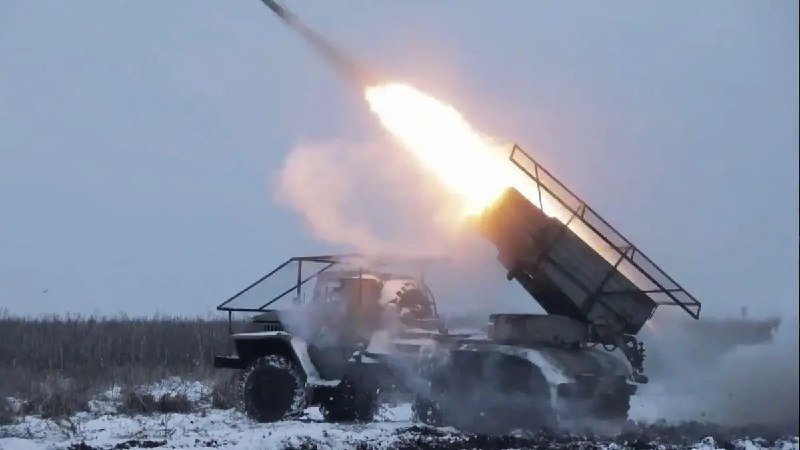
Russia has repositioned a Bastion coastal missile defence system to Kursk Oblast, a move that military analysts say significantly compresses the flight time for hypersonic weapons striking deep into Ukrainian territory. The deployment, confirmed by open-source monitors tracking Russian military logistics on 23 May 2026, comes hours after the United States Embassy in Kyiv warned American citizens to prepare for a potentially serious air attack within the next 24 hours.
Ukrainian President Volodymyr Zelensky said on 23 May 2026 that Ukrainian military intelligence had received information from American and European partners indicating Russia was preparing a combined strike on Ukrainian territory, including the possible use of an Oreshnik hypersonic ballistic missile. "Russia is preparing to attack Ukraine with Oreshnik. Respond to alarms," Zelensky said in a public statement. Ukraine's Military Intelligence Directorate corroborated the assessment, citing shared intelligence from Washington and multiple European capitals.
The convergence of a Bastion deployment near the border and Western-verified intelligence of imminent attack marks a notable escalation in Russia's sustained campaign to degrade Ukrainian infrastructure and morale through precision strike capability.
The Bastion Deployment
The Bastion-P coastal defence system is designed to launch Oniks anti-ship cruise missiles and, in certain configurations, Tsirkon hypersonic missiles against maritime and land targets. When positioned in Kursk Oblast—which shares a long land border with Ukraine's north-eastern Sumy and Kharkiv regions—the system's reach extends well beyond its normal coastal strike envelope.
According to military sourcing cited in reporting by noel_reports on 23 May 2026, the repositioning creates "a potential Oniks and Tsirkon missile threat with shorter flight times to parts of Ukraine." That compression of warning windows, from minutes to potentially under sixty seconds for communities near the border, is the immediate tactical consequence.
The Bastion's mobility makes it difficult to target preemptively. Unlike fixed-site installations, the system can relocate after launch, complicating Ukrainian and Western efforts to neutralise the threat through strikes on launch infrastructure. Ukraine's air defence network, while strengthened by Western surface-to-air missile deliveries, faces a compounded challenge: multiple simultaneous attack vectors from shortened flight paths.
Western Intelligence and the Diplomatic Signal
The US Embassy's warning, issued at 17:39 UTC on 23 May 2026, did not specify the precise nature of the anticipated attack but urged US citizens in Ukraine to seek immediate shelter upon hearing air raid alerts. The specificity of the 24-hour window, combined with the simultaneous sharing of intelligence with Kyiv, signals a degree of Western confidence in the assessment rather than generic precaution.
That the information flowed from American and European partners to Ukrainian Military Intelligence—and was then amplified publicly by Zelensky—reflects a deliberate choice to declassify a sensitive intelligence stream. The effect is twofold: it puts Russian military planners on notice that the element of surprise is compromised, and it serves as a public deterrent signal, given that any strike carried out after such an explicit warning invites maximum political cost.
Whether that deterrence holds depends on calculations in Moscow that are not visible from the outside. Russia's previous use of the Oreshnik missile—itself a weapon Moscow had threatened but not yet deployed operationally at scale—demonstrated a willingness to absorb international condemnation in pursuit of strategic effect.
The Oreshnik Question
The Oreshnik hypersonic ballistic missile entered public discourse when Russia used it against a Ukrainian facility in late 2024, framing the strike as a response to Ukrainian long-range attacks on Russian territory. Its hypersonic speed and limited defence-penetration capability make it a weapon designed to overwhelm existing Ukrainian air defences rather than merely harass or degrade infrastructure.
The combination of Oreshnik availability, a repositioned Bastion system, and confirmed Western intelligence pointing toward imminent use represents a qualitatively different threat environment than the wave attacks Ukraine has weathered through much of the conflict. Flight times for missiles launched from Russia's Rostov-on-Don area or the Black Sea coast typically provide 15 to 25 minutes of warning. A Bastion system in Kursk Oblast could reduce that to a fraction of that window for northeastern Ukrainian cities.
Ukraine's air defence architecture has received significant Western support, including Patriot systems from the United States and Germany, NASAMS batteries, and IRIS-T platforms from Germany. But the geography is unforgiving: a strike from the north, using a system near the border, compresses both detection and interception timelines simultaneously.
Stakes and Forward View
The immediate stakes are lives and infrastructure in Ukraine's north-eastern cities—Kharkiv, Sumy, and the surrounding communities that have endured persistent bombardment. If the intelligence assessment is accurate, the attack described would be among the most concentrated single episodes of hypersonic missile use in the conflict.
The longer-term stakes concern signal and escalation calculus. Each deployment of a new weapons system normalises it. Each Western warning issued and ignored—or issued and vindicated—shapes the informational environment in which future decisions are taken. If Russia proceeds, the response from Kyiv's partners will be scrutinised for whether the supply of weapons, the loosening of strike restrictions, or the direct provision of air defence assets accelerates or remains bounded.
What remains uncertain is whether the public warning reflects genuine imminent danger or a calibrated attempt to shape Russian behaviour through transparency. The sources reviewed do not contain independent confirmation of the specific weapons package or timing beyond the shared intelligence assessment.
Monexus has not independently verified the precise composition of Russia's strike package; reporting draws on Ukrainian official sources, Western diplomatic messaging, and open-source military tracking.
Wire provenance
This editorial synthesis draws on the following public wire/social posts:
- https://t.me/noel_reports/8473
- https://t.me/Kyivpost_official/12841
- https://t.me/nexta_live/8942
- https://t.me/wfwitness/7621
- https://t.me/ClashReport/5613