Trump Gathers Arab Leaders as Hawks Push for Iran Military Strike
President Donald Trump convened a call with Arab leaders on the evening of May 23 to discuss a draft Iran nuclear framework, even as figures inside his orbit were pressing for a resumption of active military operations against Tehran.
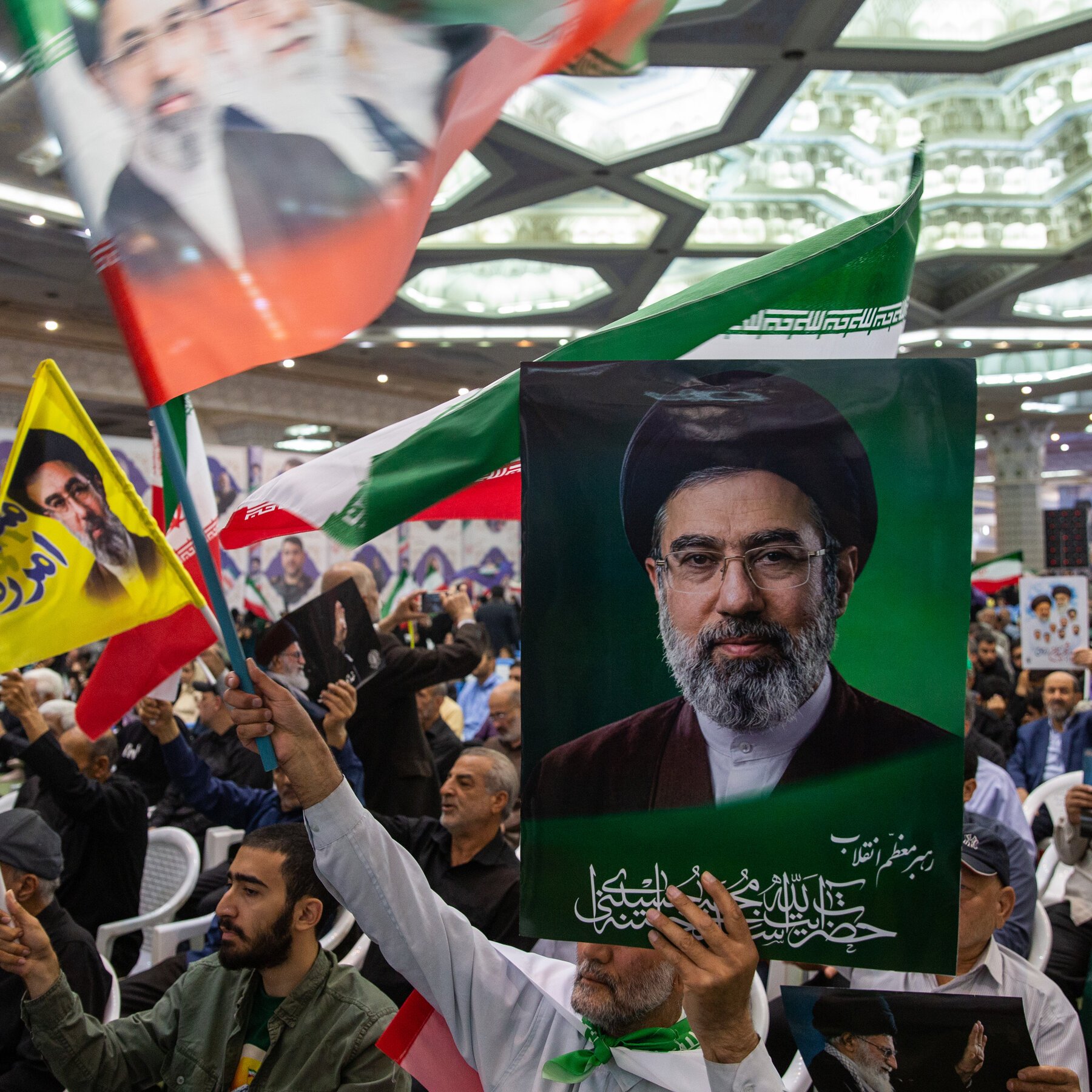
President Donald Trump was scheduled to convene a conference call with Arab leaders at 8pm Jerusalem time — 1pm Eastern Standard Time — on the evening of May 23, 2026, to present a draft framework for a nuclear agreement with Iran. The call, first reported by Axios citing two sources with direct knowledge of the arrangement, placed Arab capitals at the centre of a negotiating process whose outcome remained genuinely open.
The timing of the consultation was itself a signal. Washington has spent weeks circulating draft language between Tehran and the Arab states most exposed to any regional fallout — Saudi Arabia, the UAE, and Qatar chief among them. Convening the call in the hours before a deal either materialises or collapses places Arab leaders in the unusual position of being simultaneously informed parties and potential guarantors of whatever Washington and Tehran settle on.
The conference call and its limits
Arab governments have, publicly at least, signalled they would welcome a deal that restrains Iran's nuclear programme and limits the broader military competition that has shaped Gulf security for the past two decades. Saudi Arabia and the UAE have invested heavily in normalisation with Iran over the past three years, and both Riyadh and Abu Dhabi have made clear they do not want to be dragged into a new cycle of hostilities.
But the Arab capitals Trump was scheduled to speak with also have equities that a deal could threaten. If the framework on the table offers Tehran meaningful sanctions relief without Ironclad verification mechanisms, Saudi and Emirati confidence in American security guarantees shrinks further. The conference call, therefore, is as much about managing Arab anxieties as it is about securing Arab backing for whatever Washington presents as done.
Hawks in the orbit
Simultaneously, figures close to the president were making their preference known through separate channels: the United States should resume active military operations against Iran. The call for strikes — unspecified in public accounts but described as escalating pressure from sources aligned with the hawkish flank of the administration — represents the most direct internal challenge to the diplomatic track.
This is not a fringe view within the Republican foreign policy conversation. Advocates of military action argue that every negotiated framework since 2015 has collapsed because it was designed to manage rather than eliminate the Iranian nuclear programme, and that only sustained coercive pressure — air strikes targeting enrichment infrastructure, ballistic missile sites, and Revolutionary Guard command assets — can produce the kind of leverage a deal would need to be durable. The sources making this case are not isolated voices; they operate within the administration's formal policy architecture.
A 50/50 proposition
Trump himself has projected the uncertainty plainly. Speaking to associates in the hours before the conference call, the president described the chances of reaching agreement with Iran as "50/50." The assessment is deliberately calibrated — neither a commitment to a deal nor a signal of abandonment. It reflects the genuine difficulty of the negotiating position: Tehran wants sanctions relief sufficient to validate the political cost of making concessions; Washington wants verification robust enough to survive a future administration's reversal.
The draft framework that reached Arab capitals over the preceding days contained the standard architecture of such agreements — phased sanctions relief in exchange for verified enrichment limits, IAEA inspection access to declared sites, and constraints on advanced centrifuge development. What is not clear from the available reporting is whether the verification provisions are sufficiently tight to satisfy American negotiators, or whether they replicate the sunset clauses that rendered the 2015 JCPOA vulnerable to reimposition of sanctions by a future president.
The regional arithmetic
The stakes extend well beyond the nuclear file. A military strike on Iranian nuclear infrastructure — the outcome the hawkish faction inside the administration is pressing for — would almost certainly provoke Iranian retaliation against American personnel and assets across the region, against Gulf shipping, and against allied infrastructure in Iraq, Syria, and Yemen. The oil market disruption alone would be of a scale not seen since the early stages of the Ukraine conflict, with knock-on effects for European energy costs and global inflation expectations.
A deal that satisfies neither side completely leaves the region in a different kind of limbo — a diplomatic process that has produced a piece of paper but not a resolution, and in which both Tehran and its Arab and Israeli neighbours continue to build deterrence against each other along parallel tracks. The conference call scheduled for the evening of May 23 is the proximate test. What happens in the hours after it concludes — whether the draft framework moves to formal signature, or whether the talks collapse into recrimination — will determine whether the administration navigates a narrow passage between two kinds of failure, or tips into one of them.
This publication framed the story as a direct contest between diplomatic and military options, rather than as a question of Western resolve versus Iranian obstruction — a framing that would have elided the genuine division inside the Trump administration and obscured the agency of the Arab states whose buy-in the conference call was designed to secure.
Wire provenance
This editorial synthesis draws on the following public wire/social posts:
- https://t.me/GeoPWatch/2843
- https://x.com/sprinterpress/status/1953123456789012345
- https://t.me/CubaDebate/1987
- https://t.me/GeoPWatch/2841