The anniversary Iran weaponises
Forty-four years on from a decisive moment in the Iran-Iraq war, Tehran is leaning harder on military anniversaries as a diplomatic instrument — and the timing is not accidental.
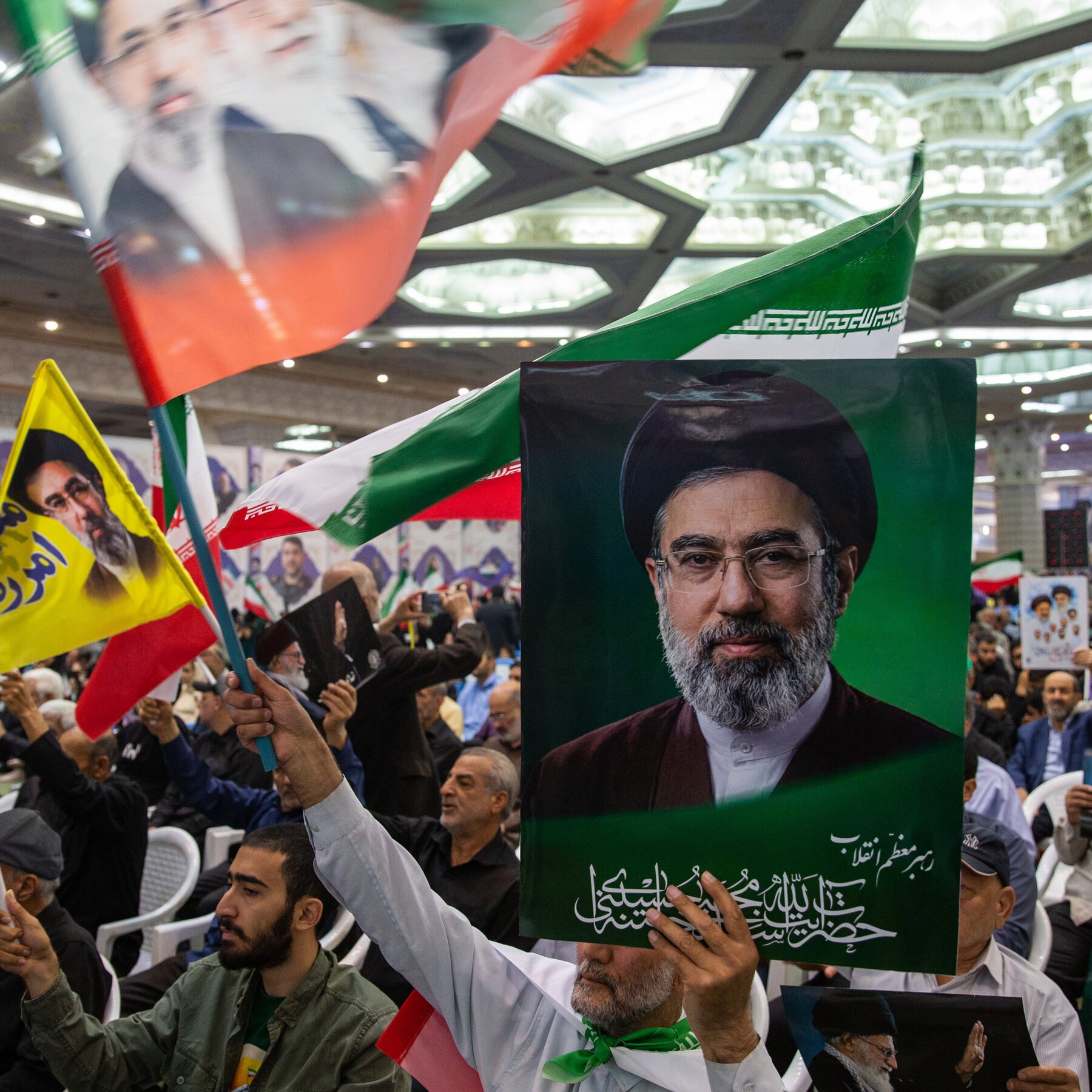
Iran marked the 44th anniversary of Khorramshahr's liberation on May 24, 2026 — and the ceremony was never simply about 1982.
The Islamic Republic's state media apparatus amplified the commemoration across Telegram channels affiliated with PressTV and Farsna, Iran state news agency, with imagery and commentary framing the 1982 recapture of the strategic port city as a template for present-day endurance. The timing matters. The announcement arrived as Iranian negotiators are navigating renewed pressure over the nuclear file, with sanctions architecture intact and diplomatic off-ramps contested. The synchronicity between anniversary messaging and geopolitical friction is not coincidental.
What Iran has built, across decades of commemorating its war dead and military victories, is a communications apparatus that treats historical anniversaries as diplomatic instruments. Khorramshahr Day — May 24, marking the moment Iranian forces reclaimed the city after more than 500 days of Iraqi occupation under the Beit ol-Moqaddas operation — is now a fixed point in that calendar. This year's iteration carried a direct political charge: an adviser to Supreme Leader Ayatollah Ali Khamenei explicitly linked the 1982 victory to "recent events of Iran," without spelling out which events, but the implication was legible. National resilience in 1982 translates into leverage in 2026.
The strategic logic is coherent, even if Western observers often underweight it. When a state has limited conventional diplomatic tools — due to sanctions, isolation, and contested legitimacy in some Western capitals — anniversaries of military success become a form of soft-state signalling. They address multiple audiences simultaneously. Domestically, they reinforce a founding mythology of Iranian self-reliance against foreign-backed aggression. Regionally, they remind Gulf states and other actors that Iran fought a grinding eight-year war and survived, sustaining enormous casualties without conceding territory. Internationally, they signal that economic pressure has not broken the state's capacity to project historical narrative as political currency.
Western coverage tends to treat these commemorations as ritual rather than strategy — the annual noise Iran makes around its war history. That reading misses the operational quality of the messaging. Khorramshahr was not a marginal engagement. It was a turning point: the moment Iranian forces pushed Iraqi troops back across the Shatt al-Arab waterway and reclaimed a city whose loss had humiliated the revolutionary government in 1980. The symbolism is dense. Occupying powers, external aggression, eventual recapture — the narrative architecture maps onto present-day tensions with enough precision that Iranian officials do not need to be explicit. The audience connects the dots.
The question worth pressing is whether the strategy works as intended. The anniversary produces content for state media and reinforces internal cohesion among constituencies — the IRGC, the Basij volunteer force, and families of war veterans — that form the Islamic Republic's most reliable political base. The content travels on Telegram and regional social networks without significant filtering by Western platform moderation, reaching audiences across Iraq, Lebanon, Yemen, and the wider Arab world. Whether it translates into diplomatic leverage in the current nuclear talks is a different matter.
The sources do not specify the content of the nuclear negotiations underway as of May 24, 2026, nor do they establish whether a formal JCPOA revival is on the table or whether the contours of any deal have been disclosed. What the commemoration does make visible is the frame through which Tehran reads its current situation: a state under pressure, drawing on historical evidence that pressure does not produce capitulation. The 44th anniversary of Khorramshahr is, at its core, a statement about staying power. Whether that statement lands with Western counterparts as deterrent, bargaining chip, or mere noise will depend on what happens in the diplomatic corridors the Telegram channels do not show.
Wire provenance
This editorial synthesis draws on the following public wire/social posts:
- https://t.me/Farsna/48241
- https://t.me/presstv/124892
- https://t.me/presstv/124885
- https://t.me/presstv/124878