Maduro addresses nation as Venezuela's contested political terrain deepens
Venezuelan President Nicolas Maduro delivered a public address to his nation on 24 May 2026, urging citizens to remain steadfast amid escalating international pressure over disputed electoral results from July 2024.
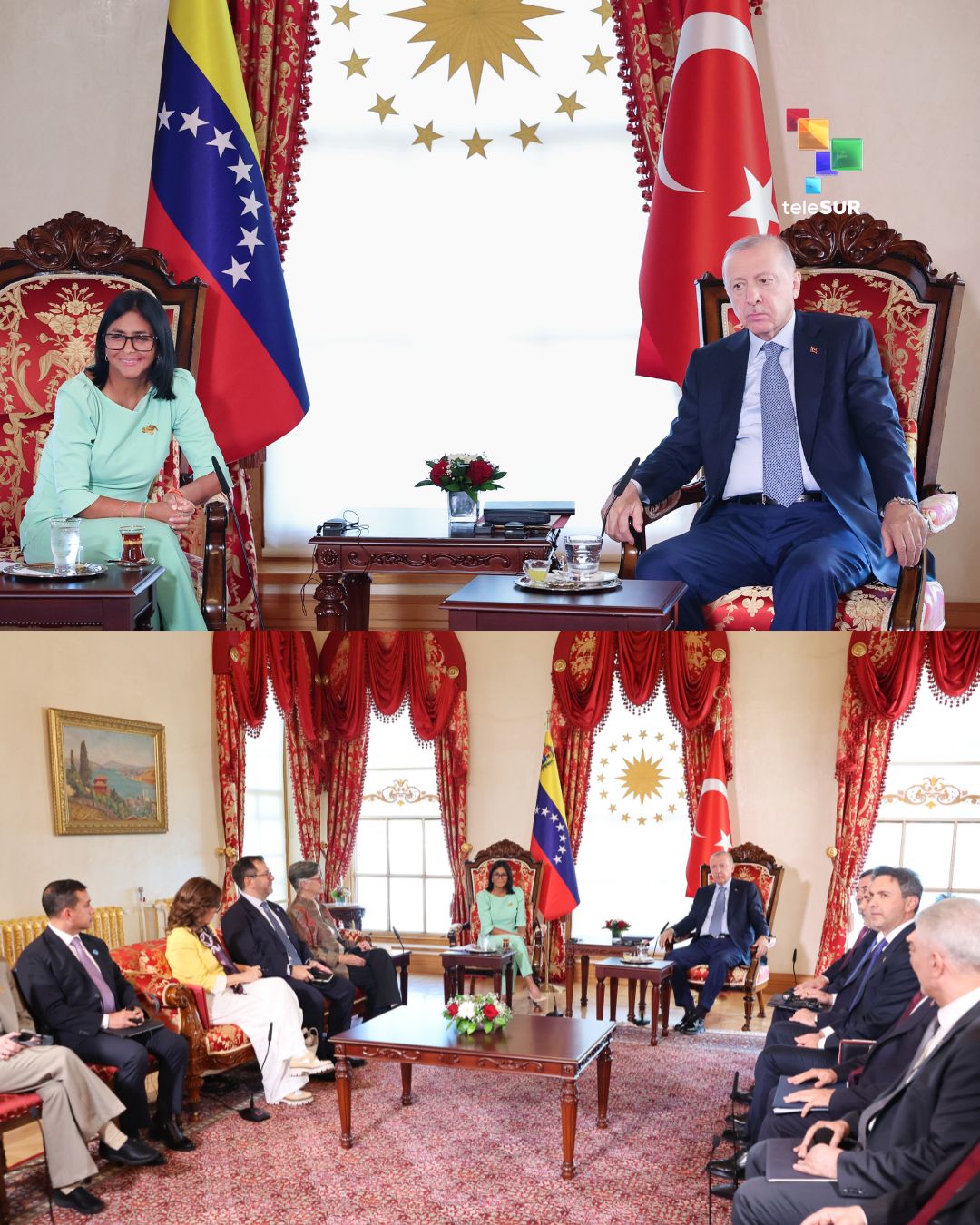
Venezuela's President Nicolas Maduro addressed the nation on 24 May 2026, in a message broadcast across state media and shared widely on social platforms by the government-aligned teleSUR news network. The address, described in the outlet's social media post as a message of "faith, love, and gratitude" delivered to the Venezuelan people, offered no immediate policy announcements but appeared intended as a direct appeal to supporters amid heightened political tension.
The broadcast arrives nearly two years after Venezuela's disputed July 2024 presidential election, whose results were contested by opposition figure Edmundo González and declared fraudulent by Washington, which subsequently recognised González as the legitimate president-elect. The United States has maintained targeted sanctions against senior Venezuelan officials throughout this period, and diplomatic relations between Caracas and Washington remain severely strained.
The electoral legacy that continues to define Caracas
The July 2024 vote remains the central fault line in Venezuelan politics. González, a former diplomat who challenged Maduro after the late María Corina Machado was barred from the ballot, challenged the official count from a position of de facto exile in Spain, where he was granted asylum following an arrest warrant issued by Venezuelan authorities. The Venezuelan electoral authority declared Maduro the winner by a margin it has refused to substantiate with precinct-level tabulations — a point that international observers, including the Carter Center and the European Union, cited as a fundamental breach of democratic norms.
Maduro's government, for its part, has long characterised Western pressure as an imperial intervention designed to overturn the result of a sovereign election. This framing finds resonance across a significant portion of Venezuelan society, particularly in rural regions and among working-class voters who remain recipients of state social programmes.
The international dimension
The United States, which first imposed sweeping sanctions on Venezuela's oil sector in 2019, has progressively tightened restrictions on the state oil company PDVSA and on individual members of the Maduro government's inner circle. The European Union has maintained its own sanctions regime. Mexico and Brazil, both governed by leftist administrations with historical ties to the Venezuelan project, have pressed publicly for dialogue rather than escalation — a position that has tested their relationships with Washington without fundamentally shifting the dynamics.
The Organisation of American States has recognised González's claim, and several Latin American governments have followed. Others, including Bolivia, Nicaragua, and a bloc of Caribbean states aligned with Caracas through the Petrocaribe arrangement, have backed the Maduro government's version of events. The split within the hemisphere reflects not just geopolitical alignment but genuine disagreement about what democratic legitimacy looks like in practice.
What the address signals domestically
The timing of the 24 May message, carried by teleSUR in a format that mirrored the channel's longstanding support for the Venezuelan government, suggests a deliberate effort to maintain visibility in the international information environment while asserting normalcy. State media in Venezuela operates under significant editorial constraints, and the framing of the post — "faithful" — carries clear religious and nationalist overtones that the government has deployed throughout its tenure.
Opposition media outlets, many operating outside the country, characterised the broadcast as a performance of authority rather than an announcement of substance. Whether the address signals a shift in strategy, an effort to consolidate support before a new round of elections scheduled for later in 2026, or simply the continuation of an existing communications cadence cannot be determined from the available sources.
The road ahead
What is clear is that the structural tensions animating Venezuelan politics — contested legitimacy, external pressure, and an economy still fragile from years of sanctions — show no sign of resolution. González remains in Madrid, pressing his claim from abroad through diplomatic channels and the occasional public statement. The Maduro government retains control of state institutions and the security apparatus. Neither side has indicated a willingness to compromise in terms the other can accept.
The next contested moment may arrive with the regional and municipal elections the Venezuelan electoral authority has signalled for late 2026. The opposition's ability to participate, and whether any international monitors will be granted access, will test whether the conditions for a genuine political resolution exist — or whether both sides are, for now, simply managing the status quo.
This publication's coverage of Venezuela prioritises Latin American and Global South sources on questions of contested electoral legitimacy, where the standard Western framing often elides the positions of regional governments with historic ties to Caracas.
Wire provenance
This editorial synthesis draws on the following public wire/social posts:
- https://x.com/telesurenglish/status/1923612848160453024