Oman's Quiet Back-Channel Diplomacy Between Iran and the Gulf
Oman's Foreign Minister Badr al-Busaidi met Iran's Deputy Foreign Minister Kazem Gharibabadi in Muscat on 24 May 2026, reaffirming Oman's role as a rare willing intermediary in a region where most diplomatic channels have gone cold.
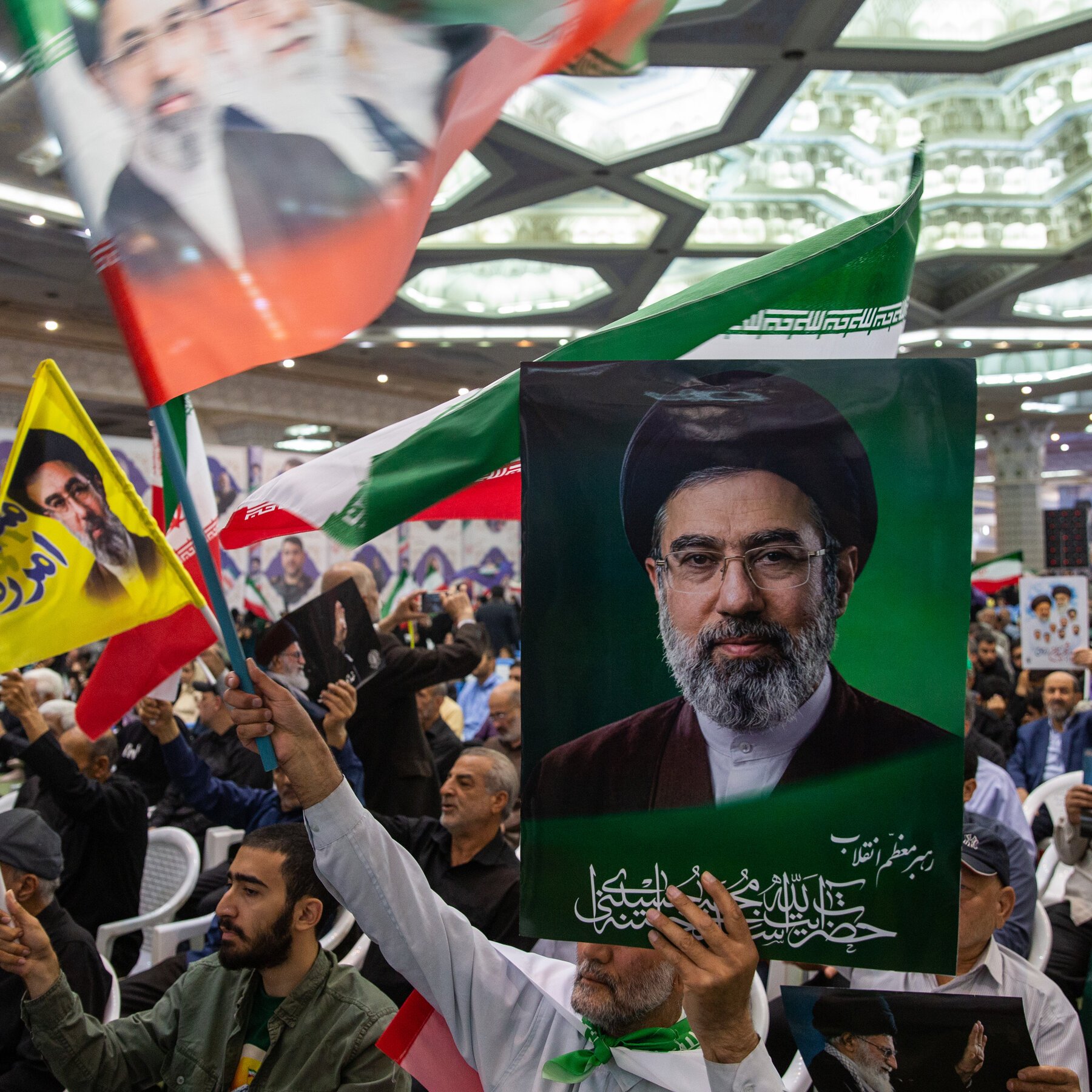
There is a particular kind of diplomacy that happens far from camera crews and signing ceremonies — the kind conducted in Muscat, in muted English-accented Arabic, with no communiqués beyond a carefully worded statement. On 24 May 2026, Oman's Foreign Minister Badr al-Busaidi sat down with Iran's Deputy Foreign Minister Kazem Gharibabadi in Muscat for what the Omani readout called discussions reflecting "the constructive nature of the dialogue between" the two governments. Within hours, Oman released its own statement: Muscat would continue supporting efforts to reduce tension, promote peaceful coexistence, security, and freedom of navigation. It emphasised the importance of diplomatic engagement at all levels.
That language matters. "At all levels" is diplomatic shorthand for a channel that operates even when public engagement has collapsed — a distinction Muscat understands better than most regional capitals.
The Regional Odd-Man-Out
Oman's geography has always made it different. Tucked between Saudi Arabia and Yemen on the Arabian Peninsula's southeastern tip, sharing maritime boundaries with Iran and controlling the approaches to the Strait of Hormuz, Muscat sits at the intersection of every regional flashpoint without being boxed in by any single alliance. Oman is not a GCC hardliner on Iran. It is not aligned with the maximum-pressure posture emanating from Washington. It has hosted back-channel talks, maintained independent oil relationships, and kept its own security architecture deliberately opaque. The al-Busaidi statement on navigation rights is a case in point: it signals to Western navies and Gulf partners alike that Oman's interests in freedom of commercial transit are genuine, not performative.
This multi-directional posture — speaking to everyone, committing to no one fully — has made Oman one of the few capitals in the region with a genuinely open Rolodex. The Gharibabadi meeting confirms that Iran finds value in that channel too.
Why the Muscat Channel Still Functions
The broader context matters. Washington's Iran policy has cycled between maximalist sanctions and episodic negotiations that produce conversation without breakthroughs. Israel's regional posture remains unpredictable. Saudi Arabia and the UAE have pursued normalisation with cautious pragmatism, but the security architecture those agreements rest on remains undefined. In that environment, a country willing to hold simultaneous conversations with Tehran, Washington, Riyadh, and Tel Aviv is not a luxury — it is infrastructure.
The May 2026 meeting did not announce a breakthrough. It did not produce a joint statement beyond the bilateral readout from Muscat. But it maintained a functional line of communication between Iran and a Gulf state that sits astride the world's most consequential maritime chokepoint. That is not nothing. It is, in fact, quite rare in a regional environment where most diplomatic channels have calcified into transactional exchanges or been cut entirely.
The Limits of Oman's Leverage
It would be overstating Muscat's position to call Oman a power-broker. It is not. Oman lacks the economic weight to offer Tehran meaningful incentives, the security guarantees to reassure Israel, or the military footprint to compel compliance from any party. What Oman offers is softer: legitimacy for dialogue, a neutral venue, and a demonstrated willingness to talk when others will not.
The question is whether that is enough. Iran's nuclear programme continues its measured advance. Regional security architecture remains unresolved. The normalisation tracks between Gulf states and Israel are stalling, not because of Oman's absence, but because the underlying security equations have not changed. Muscat cannot solve those equations. What it can do is ensure that when a back-channel is needed, it exists.
What Sustainable Regional Diplomacy Looks Like
The architecture for resolving — or at least managing — the Iran question requires exactly the kind of quiet work Muscat performs. The formal tracks, whether through the IAEA, JCPOA restoration talks, or bilateral U.S.-Iran negotiations, function better when there are parallel, lower-profile channels maintaining contact and transmitting signals. Oman is not the only such channel, but it is one of the more reliable ones.
The meeting between al-Busaidi and Gharibabadi on 24 May 2026 will not make the evening news bulletins outside the region. It will not prompt statements from Washington or Brussels. But it kept a line open. In a neighbourhood where the next incident — a miscalculation, a drone incursion, an assassination — can close those lines permanently, that quiet work carries weight.
Muscat has never mistaken diplomacy for weakness, or neutrality for indifference. The meeting on 24 May was routine in form and necessary in substance. The region needs more of both.
Wire provenance
This editorial synthesis draws on the following public wire/social posts:
- https://t.me/JahanTasnim
- https://t.me/alalamarabic
- https://t.me/alalamarabic
- https://t.me/alalamarabic