Poland Calls for Reopening of Strait of Hormuz as Energy Transit Crisis Deepens
Warsaw's foreign minister said on 24 May 2026 that many countries had suffered from the continued closure of the Strait of Hormuz, calling for freedom of gas tankers to sail through the critical waterway — a signal of growing European anxiety over maritime energy chokepoints.
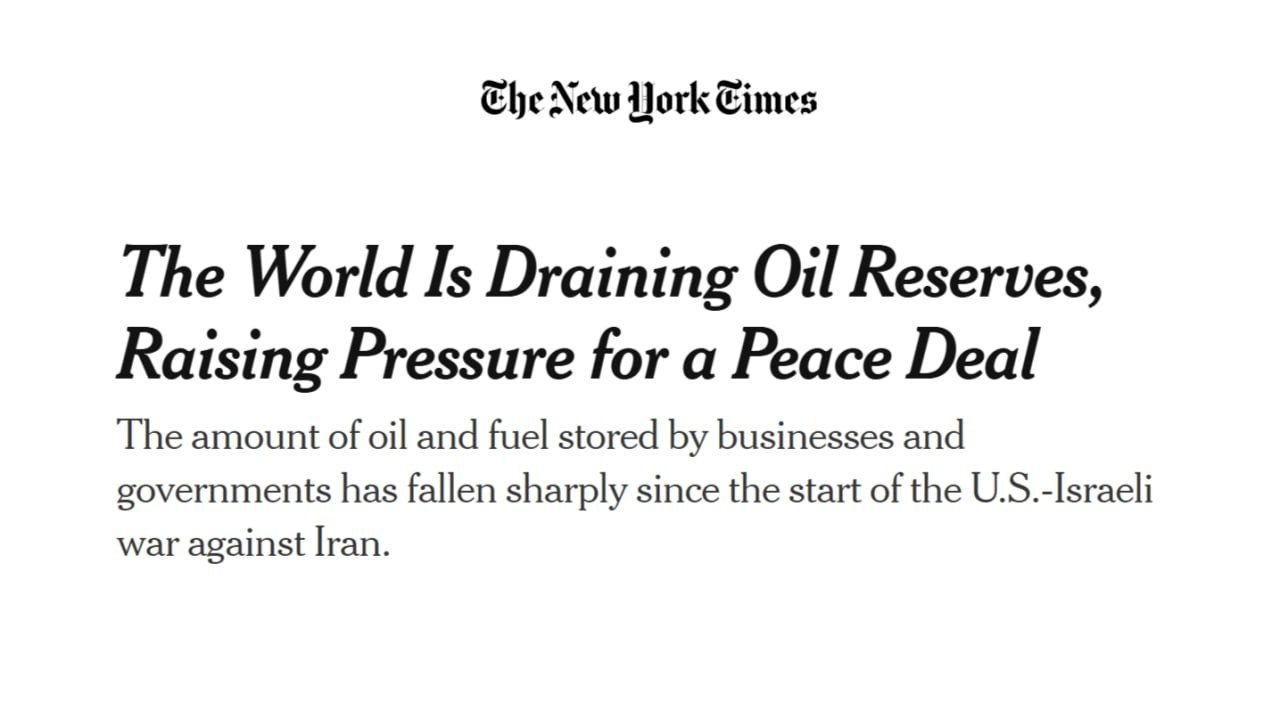
Poland's foreign minister said on 24 May 2026 that many countries had suffered from the continued closure of the Strait of Hormuz, calling for the vital waterway to reopen to gas tankers. The statement, reported by the Al Alam Arabic news channel, marks a rare public intervention by a senior EU official directly addressing the strategic shipping bottleneck that has become a focal point of escalating tensions in the Persian Gulf.
"I hope that the Strait of Hormuz will be opened and we demand the freedom of gas tankers to sail in the Strait," the minister said, according to Al Alam's report. He added that many countries had borne the cost of the waterway's continued disruption, a framing that positions Warsaw's concern within the broader anxiety of European capitals over energy supply stability.
The Chokepoint Problem
The Strait of Hormuz is the world's most critical energy corridor, connecting the Persian Gulf — home to roughly 30 percent of global oil output and the largest concentration of natural gas reserves — to the Gulf of Oman and the open ocean beyond. Roughly 21 million barrels of oil per day transit the waterway, according to US Energy Information Administration data, making any sustained disruption a structural threat to global energy markets. Tankers carrying liquefied natural gas from Qatar, the world's largest LNG exporter, also pass through the strait, directly linking it to European import patterns that have shifted since the disruption of Russian pipeline supplies in recent years.
Warsaw's intervention reflects a growing European consensus that maritime chokepoints represent a vulnerability distinct from — but compounding — the land-based supply disruptions that reshaped the continent's energy map after 2022. Poland itself has been a vocal advocate for accelerating the diversification of European energy supplies, hosting infrastructure intended to reduce dependence on Russian gas. But the Hormuz situation highlights the limits of that strategy: even diversified supply chains remain exposed to disruption at critical transit points outside European jurisdiction.
Regional Tensions and the Nuclear Standoff
The timing of Poland's statement coincides with renewed international focus on Iran's nuclear programme, which Western intelligence assessments have repeatedly described as advancing toward levels that would complicate monitoring and verification. Negotiations over a revived nuclear agreement have stalled, and the United States has maintained and expanded sanctions on Iran's oil and shipping sectors, creating financial pressure on the Islamic Republic's primary hard-currency revenue source. Iranian officials have characterised the sanctions regime as an act of economic warfare, and maritime security incidents — including the targeting of commercial vessels — have tested the willingness of shippers and insurers to operate in the Gulf.
Iranian state media, which carried Poland's statement, framed it as international recognition of the damage caused by the restrictions. The Mehr News agency and the Tasnim News outlet, both Tehran-aligned, reported the foreign minister's remarks without editorial comment, suggesting the Iranian side sees European statements about the strait's closure as useful leverage in the broader standoff over sanctions relief. Whether that perception is accurate or whether Warsaw's intervention reflects a distinct diplomatic calculation — perhaps aimed at positioning Poland as a transatlantic bridge-builder on Middle Eastern security — is not immediately clear from the available reporting.
Implications for European Energy Security
The EU has spent the past several years attempting to build energy resilience through accelerated LNG terminal construction, greater import diversification, and demand-reduction measures. That effort has succeeded in reducing the continent's direct dependence on Russian pipeline gas. But the Hormuz situation illustrates a residual vulnerability: European energy security remains structurally exposed to disruptions at chokepoints that are governed by neither EU law nor NATO guarantees. The Strait of Hormuz, the Suez Canal, and the Baltic Sea approaches each represent a category of systemic risk that supply diversification alone cannot neutralise.
Poland's statement, while not offering specific policy prescriptions, signals that Warsaw views the strait's disruption as a first-order European concern rather than a distant Middle Eastern problem. That framing aligns with a broader shift in how Central and Eastern European capitals approach global energy security: as theatres where their interests are directly at stake, not merely incidentally affected. Whether that shift translates into concrete European diplomatic or defence engagement with Gulf maritime security — beyond the statements — remains an open question.
What Remains Unclear
The sources do not specify the context in which Poland's foreign minister made the remarks — whether in a bilateral meeting, a multilateral forum, or a press conference — nor do they indicate what response, if any, Tehran or its allies offered. The Iranian side has not publicly addressed the statement as of the time of this reporting. The sources also do not quantify the specific impact on Polish energy imports, which have already been redirected substantially away from Russian supplies; Warsaw's interest in the strait's reopening may reflect solidarity with broader European concerns rather than direct national exposure. The gap between a statement of concern and a policy capable of affecting the strait's operational status is considerable, and the sources do not bridge it.
Desk note: Wire outlets in the English-language stream focused on the Strait of Hormuz coverage on naval incidents and military posturing; Poland's diplomatic intervention received more prominent treatment in the Iranian and Arabic-language press than in the Western mainstream. The Monexus desk approached the story as a European energy security question first, and a Middle Eastern diplomatic story second — reflecting Warsaw's own framing of its interests in the matter.
Wire provenance
This editorial synthesis draws on the following public wire/social posts:
- https://t.me/alalamarabic
- https://t.me/alalamarabic
- https://t.me/mehrnews
- https://t.me/tasnimnews_en
- https://www.eia.gov/todayinenergy/detail.php?id=43296