Russia Launches Mass Missile and Drone Attack on Kyiv
At least twenty cruise missiles and multiple waves of Iranian-designed drones struck Kyiv overnight on May 24, 2026, damaging residential towers and a supermarket in the capital. At least five civilians were injured in the attack, which came as air defenses scrambled across the city.
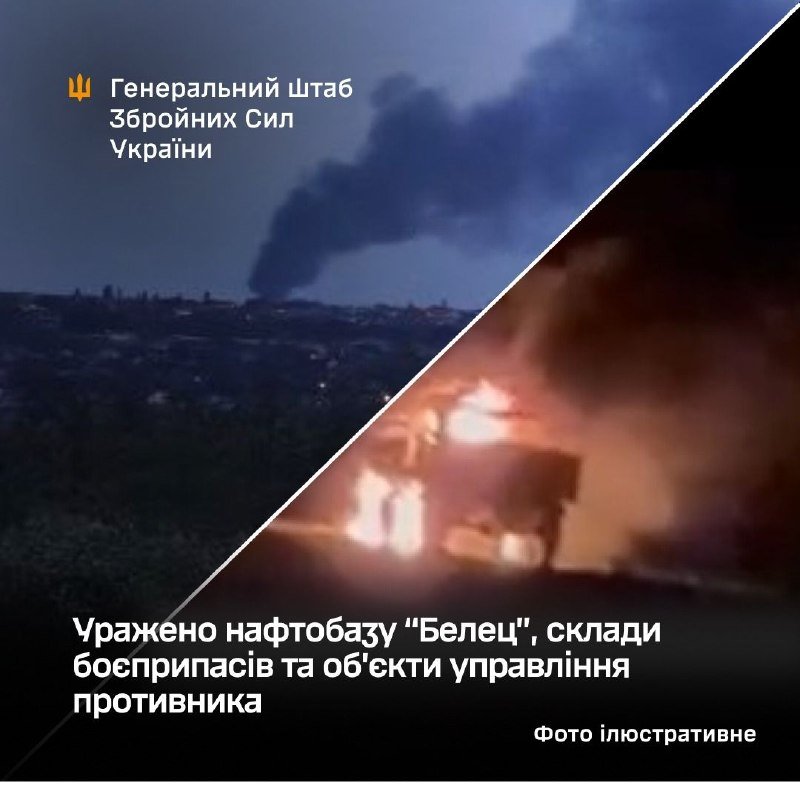
At least twenty cruise missiles were flying toward Kyiv in the early hours of May 24, 2026, as multiple waves of unmanned aerial vehicles struck residential buildings and civilian infrastructure across the Ukrainian capital. Emergency services responded to fires in a sixteen-story residential tower in the Obolonsky district, a nine-story building in the Shevchenkiv district, and a supermarket in the Desnyan district, according to real-time reports from Ukrainian monitoring channels. At least five civilians were injured in the attacks; one was hospitalized while others received treatment on site. The strikes began shortly after midnight and continued for several hours, with the threat of ballistic weapons persisting until dawn.
The attack fits a pattern Russia has sustained throughout its full-scale invasion: systematic targeting of population centers with weapons designed to overwhelm air defenses and create ongoing pressure on emergency services and civilian morale. The specific tactical objective of the May 24 strike remained unclear as this publication went to press; Ukrainian officials had not issued a formal public statement by 01:00 UTC. What the reporting does confirm is the scale and coordination of the assault, and the continued willingness to strike residential buildings in the capital.
The overnight attack in detail
The strikes unfolded across multiple districts of Kyiv over roughly forty minutes, beginning with drone impacts around 00:02 UTC. In the Shevchenkiv district, an unmanned aerial vehicle struck a nine-story residential building between the third and fourth floors. In Obolonsky, a drone hit a sixteen-story residential tower between the twelfth and thirteenth floors, igniting a fire. The Desnyan district saw a supermarket building struck, while a non-residential structure near a three-story residential building was also hit in the Obolonsky area. A one-story private house was damaged in separate impacts. The Ukrainian monitoring channel operativnoZSU and the independent journalist resource Tsaplienko both documented these strikes in posts between 00:02 and 00:09 UTC, with the Kyiv city administration confirming damage across multiple districts. Klitschko, the head of the Kyiv city military administration, confirmed the Obolonsky residential tower strike, stating that emergency services were responding to the fire.
Cruise missiles and the air defense challenge
At 00:38 UTC, the monitoring channel AMK_Mapping reported at least twenty cruise missiles turning toward Kyiv. By 00:41 UTC, the same source warned that all missiles were in flight toward the capital and urged residents still awake to seek shelter immediately. The cruise missile salvo arrived against a backdrop where air defenses had already been engaged with the earlier drone waves. Ballistic threats persisted through the early morning hours, with the Telegram channel vanek_nikolaev noting at 00:22 UTC that the ballistic threat would remain relevant until dawn.
Ukraine's air defense network has grown more capable since the full-scale invasion began, with Western-supplied systems including Patriot batteries and IRIS-T interceptors providing higher intercept rates than Soviet-era equipment. But the persistent pressure of multi-vector strikes, in which Russia launches drones, cruise missiles, and ballistic weapons simultaneously or in rapid succession, continues to stress Ukrainian air defenses. The drones typically arrive first, forcing defenders to commit interceptors; the slower-moving cruise missiles arrive in the minutes after, exploiting any gap in coverage or reload time. The ballistic component runs concurrently, adding a third threat layer that cannot be intercepted by standard anti-aircraft systems and requires dedicated missile defense batteries.
The structural dynamics of sustained targeting
Russia's strategy of repeated strikes on Ukrainian population centers is not primarily designed to achieve a single battlefield objective. It is designed to erode civilian morale, stretch emergency services and repair capacities, and compel Ukrainian authorities to divert air defense assets from the frontlines to protect cities. The financial and logistical cost to Russia of sustaining these strikes is substantial, but Russia has accumulated significant stocks of cruise missiles and Iranian-designed drones through domestic production and supply arrangements that have been documented by Western intelligence assessments.
Ukraine, for its part, operates air defense networks that are under constant demand across a frontlines that stretches over a thousand kilometers, plus critical infrastructure protection in cities including Kyiv, Kharkiv, Odesa, and Dnipro. The weapons Russia fired at Kyiv on May 24 represent a fraction of the strike capacity available to Moscow, which has demonstrated the ability to launch much larger combined waves on previous occasions. What changed in the immediate term is not Russia's capacity but rather the specific targeting decision and the timing relative to Ukrainian air defense posture.
The continued provision of air defense interceptors, missile defense systems, and related maintenance and training support from Western partners remains central to Ukraine's ability to defend its cities. Without consistent replenishment of interceptors and the maintenance capacity to keep systems operational, the cumulative pressure of repeated strikes would eventually degrade coverage. The sources available do not indicate the interception rate for the May 24 strike; what they confirm is that residential buildings were hit and civilians were injured, suggesting that not all incoming weapons were intercepted.
What happens next
The May 24 strike fits within a broader rhythm of escalation and response that has characterized the conflict since early 2026. Russia has demonstrated a willingness to increase strike frequency and weapons load when it perceives an advantage in doing so, and Ukraine has responded by pressing Western partners for faster air defense deliveries and expanded authorization to strike Russian staging areas and logistics hubs with long-range weapons.
The key variable in the weeks ahead is whether Western support for Ukraine's air defense network remains consistent. Political fatigue in some supporting nations has been a persistent feature of the aid debate, though funding packages and weapons deliveries have continued to pass through legislative processes in the United States and European Union. The stakes for Kyiv are straightforward: each strike that penetrates air defenses kills or injures civilians and damages infrastructure that is difficult and expensive to replace. Each strike that is intercepted saves lives and preserves buildings, but at a cost to interceptors that must be replaced from an increasingly strained supply chain.
Ukrainian monitoring channels provided detailed, real-time documentation of the May 24 strikes as they unfolded. The information was precise on locations, damage, and casualty figures, and consistent across multiple independent channels. Western wire services carried reporting on the strike later in the morning. The domestic alert infrastructure gave Kyiv residents several minutes of warning as incoming threats were detected, which in most cases is sufficient time to reach shelter but does not prevent damage to property or injury to those who cannot reach shelter quickly enough.
This article drew on real-time reporting from Ukrainian monitoring channels as the May 24 strikes unfolded. Wire service coverage of the attack appeared several hours after the initial alerts. Monexus will update this report as Ukrainian and Western officials issue statements.
Wire provenance
This editorial synthesis draws on the following public wire/social posts:
- https://t.me/AMK_Mapping
- https://t.me/vanek_nikolaev
- https://t.me/Tsaplienko
- https://t.me/hromadske_ua
- https://t.me/operativnoZSU