The Gap Between Trump's Iran Deal Optimism and the Diplomatic Reality
The White House is broadcasting confidence about a US-Iran agreement while negotiators admit the deal is not ready. Something does not add up — and the Strait of Hormuz is the reason why.
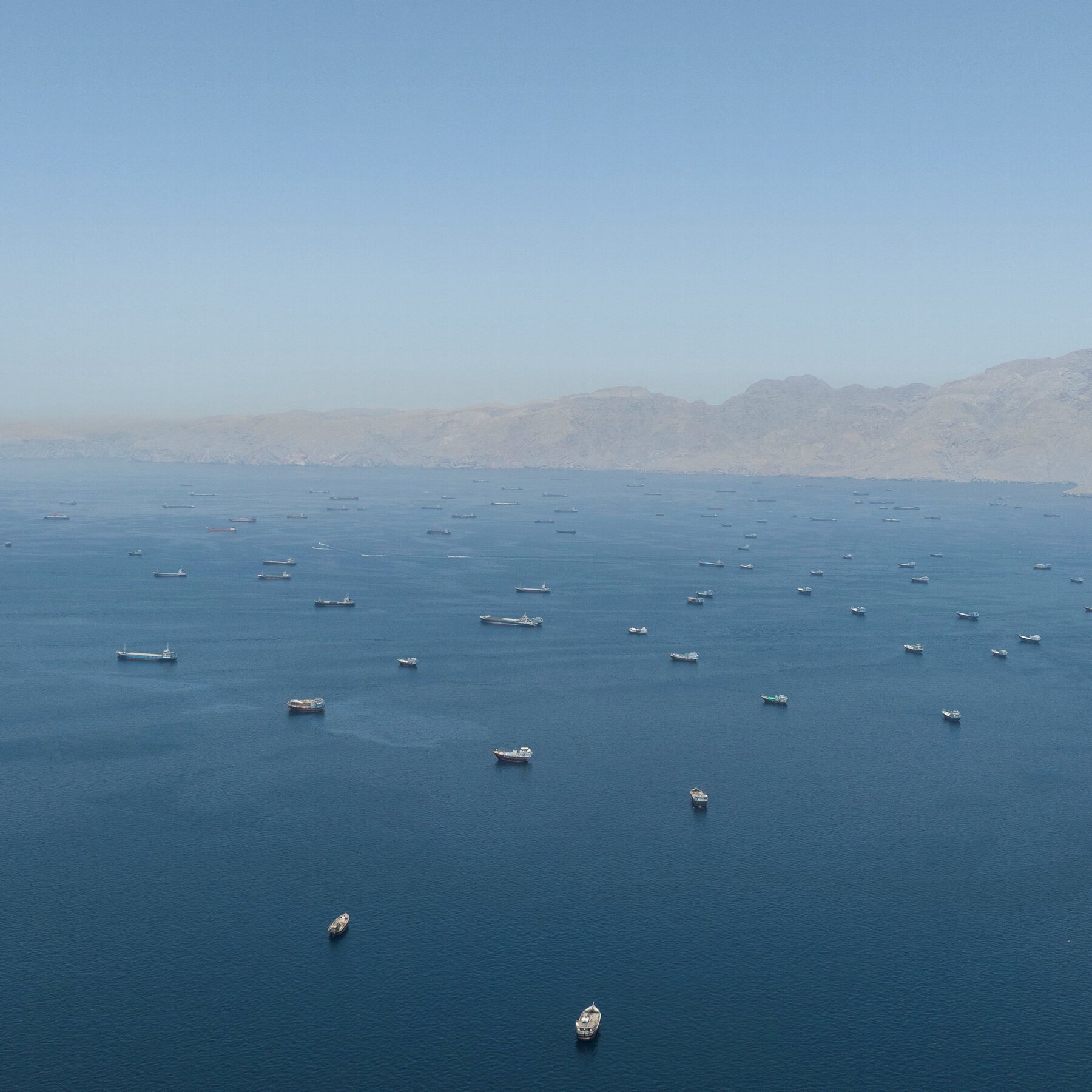
On the morning of May 24, 2026, the Trump administration gave the impression that a historic agreement with Iran was within reach. By afternoon, it was not expected to be signed at all.
The whiplash was not a slip of the tongue or a misread telegram channel. It was the predictable collision between the White House's need to project momentum and the irreducible facts on the ground. President Trump told reporters on May 23 that negotiations were proceeding "in an orderly and constructive manner" and that a deal would be announced shortly. His press call with Israeli Prime Minister Benjamin Netanyahu, described by the President as going "very well," reinforced the impression that an announcement was imminent. Then, within hours of that optimism, came the counter-signal: no deal today.
The gap between those two positions is not a diplomatic detail. It is the entire story.
The Strait of Hormuz as Leverage
What has actually been on the table, according to reporting from LiveMint and cross-referenced by Polymarket's real-time contract activity, is an agreement in which Iran would clear mines from the Strait of Hormuz during a 60-day ceasefire extension, reopening the waterway that carries roughly one-fifth of the world's daily oil shipments. That is the headline concession Iran would offer. The US side would offer sanctions relief — the mechanism by which the Islamic Republic has been squeezed into this negotiating room in the first place.
But here is the structural problem: reopening the Strait of Hormuz is not a favour Iran is doing for the world. It is a capability Iran has been intermittently weaponizing since 2019, when Revolutionary Guard vessels harassed commercial shipping and the US deployed additional forces to the Gulf. Iran's ability to choke global energy markets is the leverage that makes this negotiation worth having at all. Offering to lift the chokehold in exchange for sanctions relief means Tehran is essentially selling back something it can threaten to re-withhold.
Trump told Netanyahu on May 24 that he would not sign a final deal unless Iran's nuclear program was dismantled and enriched uranium removed. That is not a negotiating position from someone who believes a deal is imminent. That is a maximalist opening gambit designed to give the appearance of progress while preserving leverage on both sides.
The Diplomatic Theatre Problem
There is a pattern in how this White House communicates during high-stakes negotiations, and it is worth naming directly. When the goal is domestic optics — reassuring markets, signaling strength to allies, blunting criticism from rivals — the President announces significant progress. When the goal is preserving actual negotiating room, the administration suddenly discovers that rushing is unwise and that significant gaps remain.
Iran's IRGC, meanwhile, kept the machinery moving regardless of what Washington announced. On May 24, the Guards' naval arm confirmed it had coordinated passage for 33 ships through the Strait of Hormuz in the preceding 24 hours. That is not a signal of imminent collapse in negotiations. It is Tehran demonstrating, in plain sight, that the functional infrastructure of the Strait remains under its control — whether or not a piece of paper gets signed.
The simultaneous show of goodwill and continuation of operations is not confusion. It is the way the Iranian negotiating posture has operated for decades: keep all options open, demonstrate value to the other side, avoid any appearance of desperation. The IRGC's public statement about ship passages was a reminder that Iran's hand does not weaken simply because American negotiators are in a room.
Why This Deal Is Harder Than the Framing Suggests
The fundamental tension in these negotiations is not technical. Both sides have demonstrated in previous rounds — under the JCPOA framework that Trump himself exited in 2018 — that a deal is architecturally possible. The difficulty is political, and the political constraints run in opposite directions for each party.
For Trump, any agreement that does not include visible, verifiable nuclear dismantlement is vulnerable to the charge that he was outmaneuvered by a regime he described, throughout his first term, as the world's leading state sponsor of terror. The call with Netanyahu is not incidental — Israeli opposition to any agreement that leaves Iran with civilian nuclear infrastructure is a domestic American political constraint that the White House cannot ignore. "Will not sign a final deal unless its nuclear program is dismantled" is the language of a President who knows that a deal perceived as weak will be weaponized against him.
For Tehran, the calculus is different. The sanctions regime has inflicted genuine economic damage. But a complete nuclear dismantlement — the "dismantling" language Trump used with Netanyahu — is a red line that no Iranian government has accepted and none likely could, without triggering domestic political crisis. Enriched uranium removal is technically possible under the right conditions; full program dismantlement is not, and Iran knows it.
The gap between "dismantled" and "constrained under monitoring" is the gap between a deal that exists and one that does not. The failure to sign on May 24, despite the morning's optimistic signals, reflects that gap accurately.
What This Tells Us About the Stakes
If a deal is eventually reached — even a partial one involving the Strait of Hormuz, sanctions relief, and a nuclear constraint framework — the downstream effects are significant. Global oil markets have been pricing in a certain level of Gulf risk premium. A verified ceasefire in shipping lanes would likely reduce that premium, affecting revenues for everyone from Saudi Arabia to Russia, both of whom benefit from elevated energy prices. The dollar denominated oil trade, which underpins petrodollar recycling and US Treasury demand, remains structurally intact regardless — but the margin of stability in Gulf shipping affects the frequency of insurance surcharges, the routing decisions of tanker operators, and ultimately the delivered price of energy to Asian markets.
If no deal is reached and the 60-day ceasefire extension collapses, the Strait of Hormuz returns to being a flashpoint. The IRGC's demonstrated ability to coordinate or disrupt shipping gives Iran options short of full blockade — harassment campaigns, sudden inspections, delays — that create uncertainty without crossing thresholds that trigger US military response. That ambiguity is itself a form of leverage.
The announcements and counter-announcements of May 24 are, in isolation, not decisive. What they reveal is that both sides are performing for domestic audiences while keeping the functional infrastructure of negotiation intact. That is not optimism. It is not collapse. It is the grinding middle state of diplomatic engagement where the gap between announcement and outcome is itself the signal.
The deal will not be signed today. That much, at least, is clear.
Wire provenance
This editorial synthesis draws on the following public wire/social posts:
- https://t.me/bricsnews
- https://t.me/bricsnews
- https://t.me/bricsnews
- https://t.me/LiveMint