Trump Claims Iran Peace Deal Largely Negotiated as Hormuz Reopening Sends Oil Lower
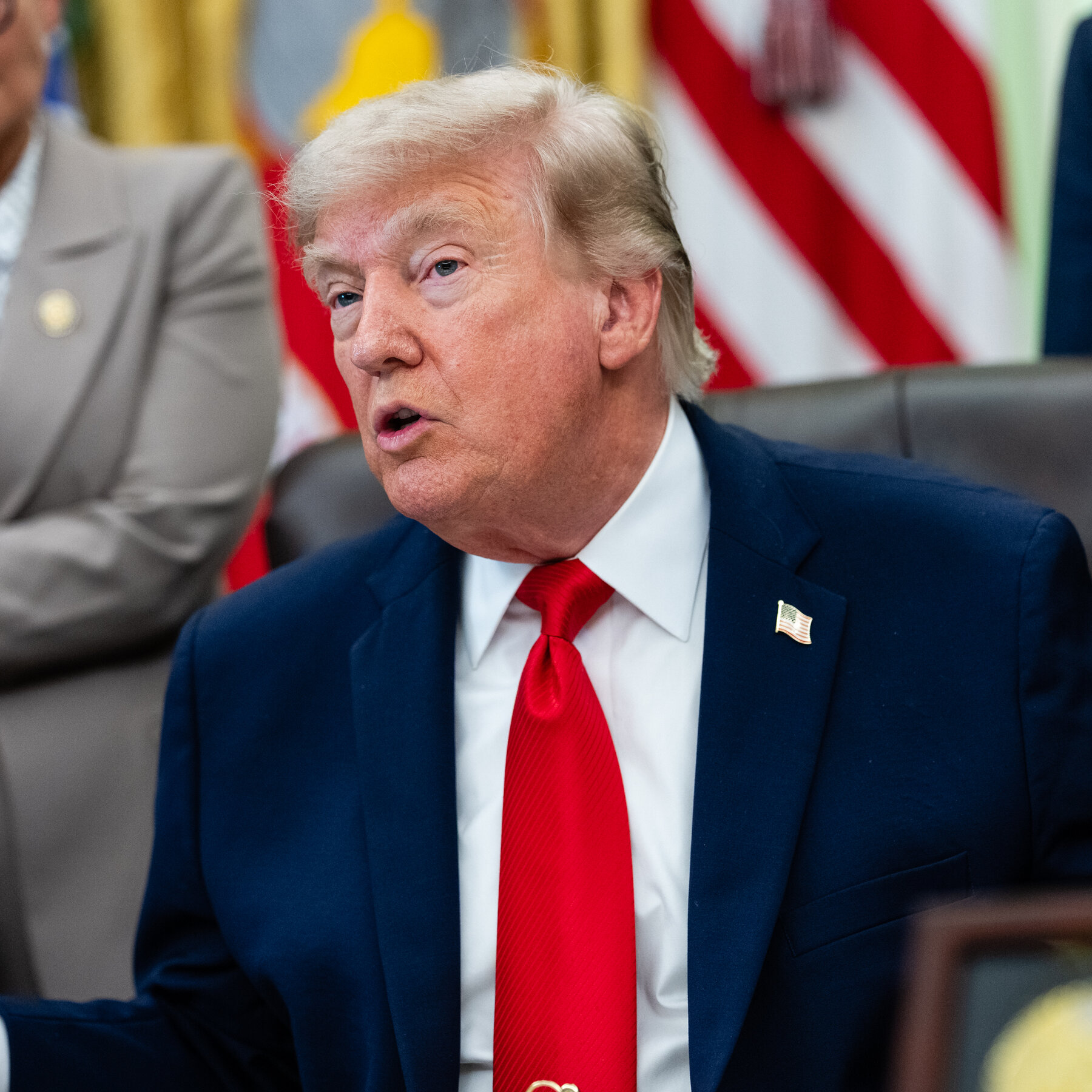
President Donald Trump said on 23 May 2026 that a memorandum of understanding for peace with Iran has been "largely negotiated," triggering an immediate selloff in crude futures as traders priced in the reopening of the Strait of Hormuz — the world's most critical oil chokepoint.
Trump announced the unfinalized deal on social media after consultations with Israel and other regional allies, posting that the agreement aims to end the current hostilities and includes a two-month negotiating window specifically focused on Iran's nuclear program. Oil fell on the news, with Polymarket odds showing a 61 percent probability that crude closes below $90 per barrel by month's end.
The market reaction reflects the Strait of Hormuz's outsized role in global energy logistics. Approximately 20 percent of the world's oil supply transits the waterway daily, and any sustained disruption reverberates immediately through spot and futures markets globally. The prospect of normalized flow through the strait — even conditional on ongoing diplomacy — was enough to move prices sharply lower within hours of Trump's post.
Trump's announcement came after what administration officials described as a weeks-long back-channel process. The President characterized the talks as having progressed substantially, though he stopped short of confirming a final agreement had been reached. The timing of the announcement, landing on a Saturday, limited immediate trading activity but set the tone for Monday's Asian session.
Terms of the Emerging Agreement
Telegram channel WarMonitor published what it described as the deal's provisional terms on 23 May, providing the most detailed public accounting of the emerging framework. According to that account, the agreement includes the release of approximately $25 billion in frozen Iranian assets currently held under U.S. sanctions. The U.S. blockade on Iranian oil exports would end under the terms described. Iran, however, would retain operational control of the Strait of Hormuz itself — a provision that gives Tehran significant leverage even in a de-escalated environment, since "allowing" passage and being required to do so are legally distinct positions.
The nuclear program provisions appear deliberately circumscribed in the framework as described. The WarMonitor summary states that Iran's nuclear program would not be part of the initial memorandum, with separate two-month talks structured to address enrichment levels separately. That sequencing places the most contentious issue — Iran's uranium enrichment activities — in a follow-on negotiation rather than as a condition for the initial de-escalation steps. The Polymarket market on Iranian uranium surrender shows a 9 percent probability of that outcome by the end of May, reflecting significant skepticism among prediction markets that Tehran will capitulate on enrichment this quickly.
Israeli participation in the talks, mentioned in Trump's announcement, suggests Tel Aviv was consulted on the security dimensions of anyHormuz arrangement. Israel has historically treated Iranian control of enrichment capacity as a red line, and the decision to sequence nuclear talks separately rather than make them a precondition for Hormuz normalization would likely require Israeli acceptance of that structure.
What Remains Unresolved
The announcement's ambiguity about what has actually been agreed versus what is still under discussion is the article's most significant gap. Trump's post used the past tense to describe negotiations as complete while simultaneously framing the nuclear talks as a future step still to come. That linguistic mismatch raises questions about whether a formal document exists or whether the announcement reflects an in-principle understanding that could still unravel.
No Iranian official has publicly confirmed the terms described by WarMonitor. Iranian state media coverage of the deal, to the extent visible in Western-language sources, has emphasized national sovereignty and the right to peaceful nuclear technology — framing consistent with either acceptance or rejection of the described terms depending on editorial choice. The absence of a direct Iranian confirmation or denial means the $25 billion asset release and blockade-end provisions remain unverified from Tehran's side.
The Strait of Hormuz provision deserves particular scrutiny. Iran's Revolutionary Guard Corps has historically treated Hormuz transit policy as a strategic tool rather than merely a commercial passage matter. The described term — Iran "allowing" passage while retaining control — could be read as either a face-saving formulation that effectively maintains the status quo, or as genuine Iranian acceptance that the strait operate under normal international maritime law. The distinction matters enormously for regional security architecture and for the credibility of U.S. assurances to Gulf Cooperation Council states that Iranian provocations are genuinely capped.
The two-month nuclear negotiating window also leaves substantial uncertainty about duration and endpoints. Enriched uranium is measured in quantity, purity, and location; any agreement to limit or eliminate it requires verifiably monitoring all three dimensions across a country of Iran's geographic scale.
The Energy Calculus
The Strait of Hormuz handles roughly 20 percent of globally traded oil daily, according to U.S. Energy Information Administration data — a figure that underscores why even the market's anticipation of reopening moves prices materially. The 61 percent Polymarket probability of crude below $90 by month-end suggests traders assign meaningful probability to the deal holding, but the 39 percent assigned to prices remaining above $90 indicates significant doubt about finalization or compliance.
Oil-exporting nations in the Gulf have watched the Iran-U.S. dynamics closely. Any sustained reopening of Hormuz benefits buyers by increasing supply availability; it potentially disadvantages producers who have benefited from an elevated price environment sustained by geopolitical risk premium. The reaction function from Riyadh, Baghdad, and Abu Dhabi will depend on whether they view the deal as stabilizing or as a precursor to renewed Iranian leverage once sanctions relief flows.
The $25 billion asset release also carries currency and inflation implications that extend beyond the diplomatic frame. Unfreezing previously sanctioned sovereign assets gives Tehran access to reserves that can be deployed for imports — including food and medicine as well as sanctionable dual-use goods — without requiring dollar-denominated transactions that would previously have required OFAC facilitation. Whether those transactions occur through newly licensed banking channels or through third-country intermediaries will determine whether the asset release translates into meaningful humanitarian relief inside Iran.
Stakes and Forward View
If the agreement holds in its described form, the immediate winners include Asian energy importers (particularly India, Japan, and South Korea) who have absorbed premium costs associated with Hormuz risk; European buyers of liquefied natural gas who compete with Asian buyers for cargoes in a tighter-than-expected market; and Iranian civilians facing economic hardship from sanctions. The losers in the near term include U.S. leverage over Iranian behavior through sanctions pressure and potentially Gulf allies who counted on U.S. pressurecampaigns to contain Tehran's regional influence.
Israel faces a more complex calculation. Acceptance of an Iran deal that leaves enrichment capacity intact while normalizing Hormuz transit trades regional containment for economic normalization — a swap Tel Aviv has historically resisted. Whether Israeli concessions were secured through separate security guarantees or diplomatic side-letters, and whether those are public or classified, will determine whether the deal produces durable regional stability or merely a temporary pause that Tehran exploits once sanctions relief is banked.
The next seventy-two hours will test whether Trump's Saturday announcement was a genuine diplomatic inflection point or an optimistic characterization that overshot the actual state of negotiations. Markets have moved on the headline; the follow-through depends on corroborating confirmation from Tehran, formal signing or at minimum joint publication of the memorandum terms, and initial signals from Israel on whether the framework is acceptable as described.
This article was filed after the close of Asian trading on 23 May 2026, with markets pricing the deal scenario into Monday's open.
Wire provenance
This editorial synthesis draws on the following public wire/social posts:
- https://t.me/warmonitor/1421
- https://t.me/ourwarstoday/8934
- https://t.me/ourwarstoday/8934