Turkish Activists Join Protests in Iran's Urmia Amid Regional Cultural Tensions
A group of Turkish media professionals and cultural activists traveled to Urmia, in Iran's northwestern Azerbaijan province, to join ongoing street protests, according to Iranian state-aligned reporting. The delegation, organized under the banner of "Friends of Turkish Resistance," marks a rare instance of cross-border civilian engagement in a region marked by competing national narratives over language and identity.
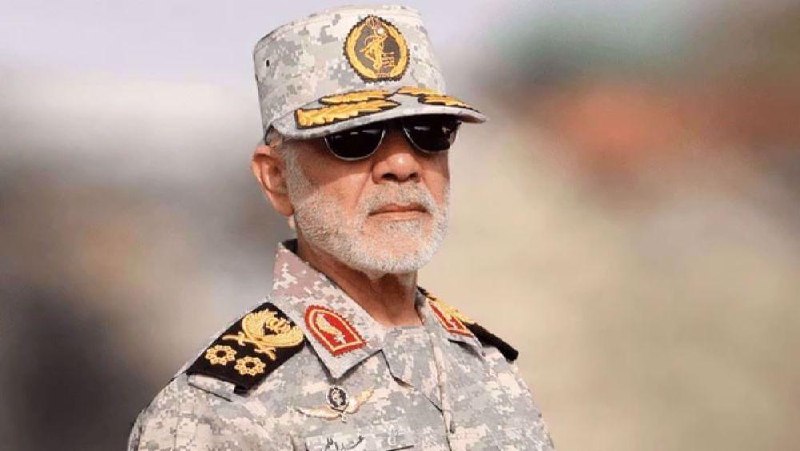
A delegation of Turkish media professionals and cultural activists arrived in Urmia, the capital of Iran's West Azerbaijan province, on Saturday, joining what Iranian state media described as ongoing street demonstrations in the city. The group, styling itself the "Friends of Turkish Resistance," traveled from Turkey to participate directly in the protests, according to a Tasnim News report published 24 May 2026.
The delegation's presence in Urmia highlights a fault line that runs beneath the surface of Iran-Turkey relations: the question of Azerbaijan Turkic identity in northwestern Iran. An estimated 15 to 20 million Azerbaijanis live in Iran's border provinces, speaking a Turkic dialect closely related to Azerbaijani Turkish. Language rights, educational access, and cultural expression have been recurring friction points, particularly in periods of heightened political tension between Tehran and Ankara.
The Tasnim report framed the arrival of the Turkish activists as a foreign interference in Iranian internal affairs — a framing Tehran has deployed repeatedly against Western governments and NGOs it accuses of seeding unrest. The outlet provided limited detail on the specific protests the delegation attended, the stated demands of demonstrators, or the scale of gatherings in the city. Monexus was unable to independently verify the precise number of protesters, the protest dates, or the specific grievances animating the demonstrations as of publication.
Cross-Border Solidarity and Its Discontents
Transnational activism on behalf of Iran's Azerbaijan Turkic minority is not new. Azerbaijani nationalist organizations, many based in Baku, have long maintained that cultural and linguistic rights for Iran's Azerbaijanis represent a legitimate concern for the wider Turkic world. Iranian authorities, for their part, view such activism — particularly when it crosses borders — as an instrument of regime-change pressure and a challenge to territorial integrity.
The "Friends of Turkish Resistance" delegation, if the Tasnim reporting is accurate, represents a more formalized instantiation of that phenomenon: a structured group of media and cultural professionals crossing from Turkey into Iran specifically to participate in street-level demonstrations. That kind of direct, physical solidarity carries different political weight than diaspora statements or social media campaigns. It creates witnesses, generates content, and complicates Tehran's capacity to control the narrative around domestic unrest.
Iranian state media outlets have historically treated foreign-nationalist solidarity with Azerbaijan Turkic activists as evidence of a coordinated campaign against the Islamic Republic. The Tasnim report's framing — positioning the Turkish activists as outside agitators by definition — fits a well-established pattern in Iranian state media coverage of any domestic protest movement.
The Strategic Geography of Urmia
Urmia sits in a region with deep historical ties to the broader Turkic-speaking world. The city's lakefront proximity to Turkey's border made it a natural corridor for trade, cultural exchange, and — in more tense periods — cross-border agitation. West Azerbaijan province shares a 260-kilometer frontier with Turkey, one of the Islamic Republic's longest international borders.
That geography has long made Iran sensitive to any suggestion that Ankara views Iran's Azerbaijan provinces as part of a wider Turkic commonwealth. Iranian foreign policy has historically sought to prevent Turkey from leveraging cultural affinity into political influence along Iran's northwestern frontier. The presence of Turkish activists in Urmia's streets — even if modest in number — will likely be read in Tehran as precisely the kind of leverage Turkish institutions have historically sought to avoid directly pursuing.
The protests themselves, and what provoked them, remain unclear from the available sourcing. Whether the demonstrations represent a new wave of Azerbaijan Turkic advocacy or reflect broader grievances — economic distress, water insecurity around the shrinking Urmia Lake, youth unemployment — that have animated protest cycles across Iran since 2022 cannot be determined from the single source available to this publication.
What This Moment Tells Us About Regional Dynamics
Iran-Turkey relations have followed a complex trajectory over the past several years. Ankara and Tehran have cooperated on certain regional الملفات — particularly in northern Iraq and Syria — while competing for influence across the South Caucasus. Turkey's deepening ties with Azerbaijan, including joint military exercises and infrastructure connectivity projects, have generated sustained friction with Tehran, which views the strengthening Baku-Ankara axis as encirclement.
Into this competitive landscape, the cultural dimension has always been present but subordinated to strategic calculation. Turkish institutions have generally preferred to engage Iran's Azerbaijan question through diplomatic channels, economic levers, and the soft power of cultural programming — not direct street-level solidarity. A delegation of Turkish media professionals joining protests in Urmia marks a potential shift in posture, though the evidence from a single Iranian state-media report is insufficient to confirm a systematic change in Turkish policy.
The Tasnim framing — cast as foreign meddling — is itself a signal. Iranian state media typically reserve their sharpest language for protest movements they consider most threatening. By dedicating reporting time to a small group of Turkish visitors, the outlet suggests Tehran is monitoring this development closely and preparing a legitimacy counter-narrative.
What Remains Unknown
This publication was unable to independently verify the composition of the Turkish delegation, the specific dates of the protests, the stated demands of demonstrators, or the scale of street mobilization in Urmia as of 24 May 2026. The single source — from Iranian state-aligned media — provides an official framing that warrants skepticism about completeness. Reporting from independent Iranian civil society, regional news outlets in West Azerbaijan province, or Turkish government statements would be necessary to construct a fuller account of what took place.
The sources do not specify whether Iranian authorities detained, expelled, or allowed the Turkish delegation to remain in Urmia. They do not specify whether the protests the delegation joined were ongoing or dispersed events. They do not specify whether the protests were directly about Azerbaijani Turkic language rights or about grievances of broader character.
This publication will continue monitoring for corroborating reporting.
Desk note: The wire's framing positioned the Turkish delegation as foreign agitators entering Iran to destabilize a sovereign state. Monexus presents the Tasnim report as one data point in a contested information environment — noting its provenance without treating it as neutral description. The structural context — Azerbaijan Turkic identity politics, Iran-Turkey regional competition, Tehran's history of framing foreign solidarity as subversion — belongs in the analytical frame regardless of which outlet's language one accepts.
Wire provenance
This editorial synthesis draws on the following public wire/social posts:
- https://t.me/tasnimnews_en/36942