WHO Declares Ebola Outbreak a Public Health Emergency as Nations Race to Contain Spread
India has issued a travel advisory for its citizens following the World Health Organisation's declaration of the Ebola outbreak as a public health emergency of international concern, as the United States moves to extend restrictions on travellers from affected Central African nations.
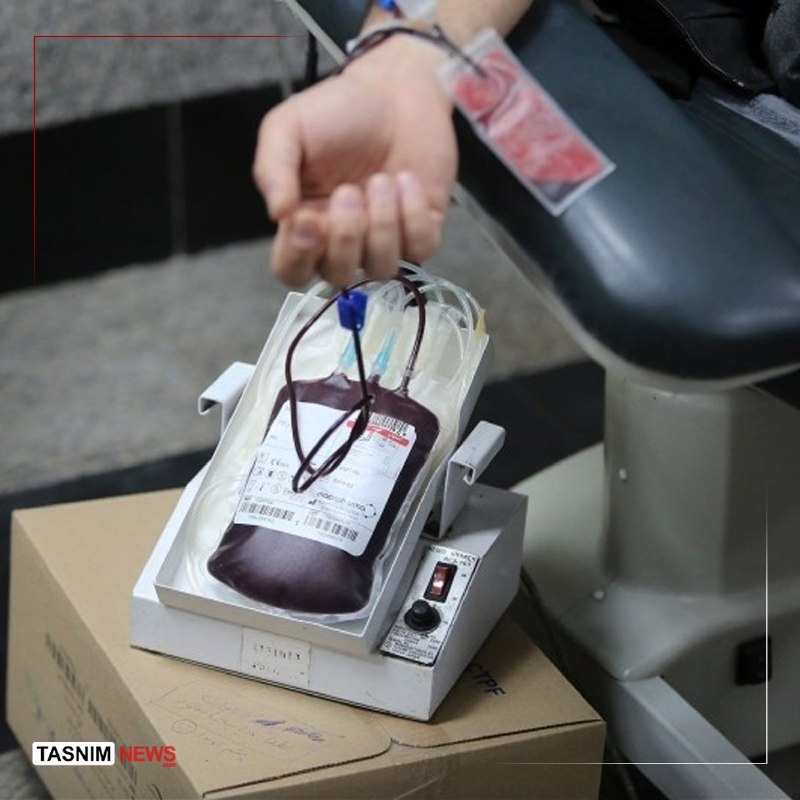
The Indian government issued a travel advisory on 24 May 2026 urging citizens to exercise caution after the World Health Organisation declared the ongoing Ebola outbreak a public health emergency of international concern. The advisory, published as confirmed cases continued to mount in Central Africa, came as the United States moved to tighten its own border controls, extending existing travel restrictions to green card holders who had recently visited the three most affected nations.
The dual actions underlined the urgency with which governments are responding to an outbreak that public health officials say carries a significantly higher case-fatality rate than previous strains seen in the region. While Ebola has historically been contained within Central Africa through aggressive contact-tracing and isolation protocols, the current transmission chains have reached population centres with international airport connections, raising the spectre of rapid cross-border spread.
The outbreak and the WHO declaration
The World Health Organisation's emergency designation — the agency's highest alert level for a disease outbreak — was triggered by epidemiological data showing sustained human-to-human transmission in provinces of the Democratic Republic of Congo that have historically lacked the infrastructure to mount an effective response. The DRC's eastern provinces, long destabilised by armed conflict and population displacement, have limited laboratory capacity and face acute shortages of trained contact-tracers, compounding the challenge of breaking transmission chains.
India's advisory, issued through its Ministry of Health and Family Welfare, recommended that citizens defer non-essential travel to the affected regions and that those already present maintain strict hygiene protocols. The advisory also directed returning travellers to monitor for symptoms for 21 days and to report any fever or haemorrhagic signs to medical authorities immediately. India has no direct commercial flights to the DRC, Uganda, or South Sudan, but officials noted that indirect transit routes through Gulf hubs create potential pathways for the virus to enter the subcontinent.
The advisory drew on WHO guidance issued alongside the public health emergency declaration, which called on all member states to strengthen surveillance at points of entry and to ensure that clinical teams managing suspected cases had access to appropriate personal protective equipment.
The US response and the politics of containment
The United States Customs and Border Protection agency extended its travel restrictions on 23 May 2026 to cover green card holders — lawful permanent residents of the United States — who had visited the Democratic Republic of Congo, Uganda, or South Sudan within the preceding 30 days. The policy, which has no defined end date, requires affected green card holders to undergo additional screening at ports of entry and to self-quarantine upon arrival.
The extension marks a notable escalation from earlier restrictions that had applied only to non-citizens. Legal permanent residents had previously been exempt from the screening measures, which have been in place since shortly after the WHO declaration. The change reflects classified intelligence assessments, communicated to congressional committees in closed sessions, suggesting that the outbreak had generated secondary transmission chains in urban centres that remained inadequately mapped by local health authorities.
The White House has declined to specify the evidence underpinning the expanded screening regime. Senior officials, speaking on background, said the decision was precautionary and consistent with guidance from the US Centers for Disease Control and Prevention, which has maintained a level-four travel health notice for the affected countries since the WHO declaration.
Structural constraints on the ground
The international response faces compounding structural obstacles that distinguish this outbreak from the West African epidemic of 2014-16, which killed more than 11,000 people and prompted the largest-ever deployment of foreign medical personnel to a health emergency. The DRC outbreak is unfolding in a region where several armed groups hold territorial sway, restricting access for WHO surveillance teams and impeding the delivery of experimental therapeutics to treatment centres.
The three affected countries — the Democratic Republic of Congo, Uganda, and South Sudan — collectively rank among the lowest globally on health-system performance indices. South Sudan's civil war has left the country with fewer than 50 doctors for a population exceeding 10 million. Uganda's health infrastructure, though more functional than its neighbours', has been strained by the concurrent escalation of a Marburg virus outbreak in the country's western regions. The DRC, for its part, has managed multiple Ebola outbreaks over the past decade, building institutional memory within its health ministry, but that expertise is concentrated in the Equateur provinces and has not fully extended to the eastern conflict zones where current transmission is heaviest.
International donors, including the Global Fund and the World Bank's crisis-response window, have pledged financing, but disbursement timelines remain uncertain. Vaccine manufacturers have indicated they can scale production of the rVSV-ZEBOV regimen — the same vaccine used to contain previous DRC outbreaks — but distribution requires cold-chain logistics that the affected regions struggle to maintain.
Stakes and the path forward
The immediate stakes are confined to the health domain: containing transmission before the virus establishes itself in a densely populated urban centre with direct international air links. Kinshasa, the DRC capital, has not recorded cases as of 24 May 2026, but its airport handles regional routes to Addis Ababa, Nairobi, and Johannesburg — hubs that connect to every continent. The WHO's emergency declaration is designed to unlock emergency-use authorisation pathways for experimental treatments and to compel member states to share sequencing data in real time, but compliance is voluntary.
The longer-term stakes are political. Ebola has repeatedly demonstrated an ability to fracture the already-fragile relationship between Central African governments and the international institutions that respond to their crises. Skepticism toward WHO, amplified by nationalist political movements in several countries, could undermine the compliance rates necessary to break transmission chains. The United States' extension of screening measures to green card holders signals that majordestination countries are not willing to wait for a WHO-coordinated response to protect their own borders — a dynamic that, if it spreads to other capitals, risks fragmenting the global health architecture that the emergency declaration was intended to reinforce.
\nThis publication's coverage of the Ebola emergency reflects a different editorial emphasis from the Western wire services, which have foregrounded the US travel policy and Indian response while providing less sustained attention to the structural factors constraining the on-the-ground response in the affected countries.
Wire provenance
This editorial synthesis draws on the following public wire/social posts:
- https://t.me/hindustantimes