Antonelli Makes His Move as Russell's Retirement Hands Mercedes the Lead in Montreal
Kimi Antonelli claimed his fourth consecutive victory at the Canadian Grand Prix on 24 May 2026 after George Russell's retirement handed Mercedes a dominant one-two finish, a result that reshaped the championship landscape at a circuit that had promised a tighter fight.
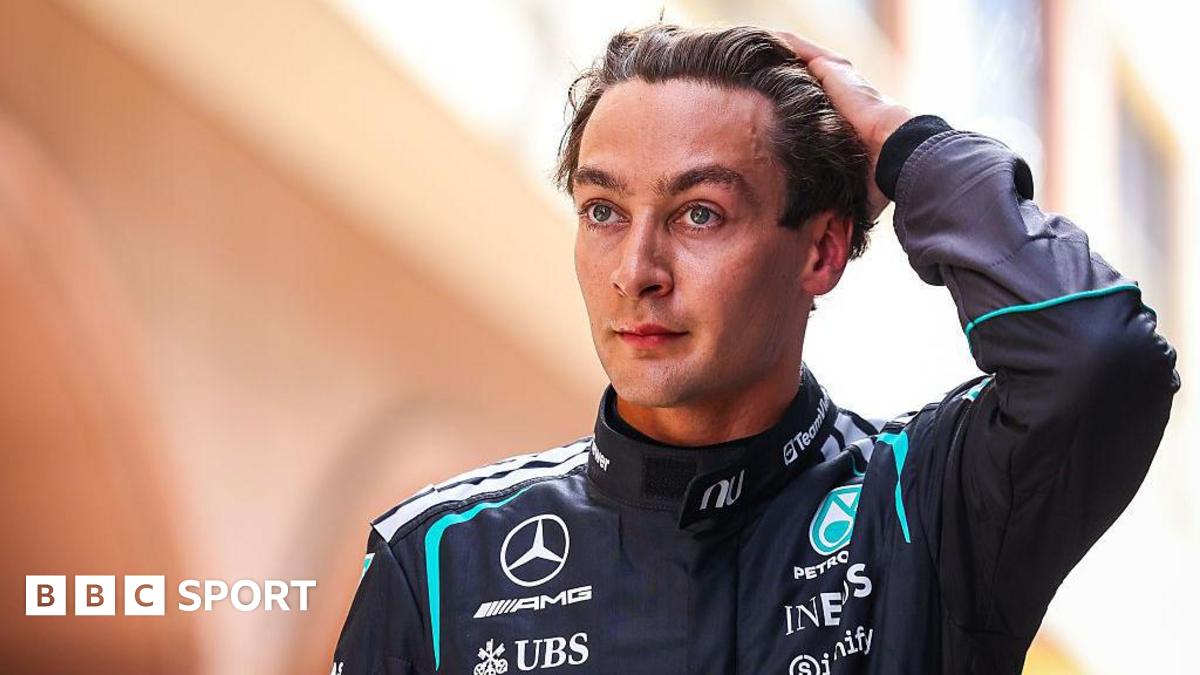
The 2026 Canadian Grand Prix had every ingredient for a classic. A wet Friday gave way to a dry qualifying session in Montreal, Lando Norris claimed pole position, and the opening laps suggested the championship battle that had been building all season might finally crystallise at Circuit Gilles Villeneuve. Then the race shifted decisively.
George Russell's retirement on lap 56 sent the field into the pits under safety car conditions, and when the race resumed Kimi Antonelli had inherited a lead he would not surrender. By the time the flag fell, the Mercedes driver had extended his advantage over Norris to 38 points in the drivers' standings. A title race that had felt compressed and volatile now has the texture of a contest where one driver has found a rhythm the field cannot answer.
The Montreal Race That Got Away
Montreal has a history of producing chaotic races, and the 2026 edition delivered on that reputation even before Russell's retirement changed the championship arithmetic. Norris started from pole and was tracking well in the early stages when a safety car period triggered the first round of pit strategy calls.
Mercedes brought Norris in for intermediate tyres during the caution, gaining track position in the process. Oscar Piastri, running second at the time, remained out. When racing resumed, Antonelli held the lead ahead of Piastri while Norris sat third. Russell was fourth and hunting.
Russell was closing on Norris when his power unit failed, removing the Mercedes second car from contention and effectively ending any prospect of a competitive challenge to his teammate up the road. Norris, already nursing a damaged car from contact earlier in the race, could make little progress against Piastri and finished fifth, dropping further behind Antonelli in the standings. Piastri claimed second. Antonelli took the flag by 6.4 seconds.
The result gave Mercedes a dominant one-two finish — the team's strongest showing of the season — and handed Antonelli his fourth consecutive victory. It is a run of form that has compressed what was an open championship into something approaching a one-driver contest.
Norris and Piastri: The McLaren Paradox
The post-race dynamic at McLaren is more complicated than the raw results suggest. Norris holds the same Ferrari-powered package as Antonelli and, on pure pace over a single lap, has frequently been the quicker driver this season. Yet across the last four races the balance has shifted unmistakably in Mercedes' favour.
Piastri's second place in Montreal was his third podium in four races, but the Australian has been conspicuously unable to convert his qualifying pace into race wins when Antonelli is in contention. Whether that reflects tyre management, race-start execution, or something more fundamental in how the two drivers have adapted to the 2026 Mercedes package is a question the data will answer in the coming weeks.
Norris's fifth place is harder to contextualise. The contact damage he sustained early in the race compromised his strategy, and the safety car timing happened to fall against him rather than for him. He remains the only driver to have beaten Antonelli in a straight fight this season, winning in Japan back in April. But that result feels increasingly like an outlier in a championship narrative that is moving in one direction.
The Tactical Architecture of Mercedes' Lead
Mercedes has now won four consecutive races. The W17 chassis, which arrived with some reliability questions in pre-season testing, has matured into a package that is both fast and consistent. The power unit has been a strength all year. What has changed in recent weeks is the car's tyre usage pattern — a development that tracks with the upgrades Mercedes introduced at the Monaco round.
The team's strategic calls have also sharpened. The decision to bring Norris in during the safety car in Montreal was correct on pure probability; keeping Piastri out was equally defensible given his track position. The result happened to benefit Antonelli, but the call itself was team-first, not driver-first. In a championship where McLaren has occasionally been fractured by strategic tension between its two drivers, the coherence of the Mercedes approach is worth noting.
This matters because the remaining eight races before the summer break will test whether the Mercedes package holds its advantage in hotter conditions, on higher-degradation circuits, and under the pressure of a driver whose confidence is visibly growing race by race. If Antonelli can maintain even a fraction of his current form through the European summer, Norris will need something close to perfection to close a 38-point gap.
What Remains Unresolved
The sources do not yet establish whether Antonelli's recent advantage is a function of genuine car development, a response to specific circuit characteristics, or a statistical cluster that will normalise. The four-race winning streak is real; the underlying cause is still being argued in the paddock.
Russell is expected to face a power unit penalty at the next round, which would further reduce his ability to support Antonelli in the constructors' championship fight. McLaren retains a narrow lead in the teams' standings, but the gap is small enough that a single bad weekend could flip the arithmetic.
Montreal promised a turning point. What it delivered was confirmation that the turning point arrived some weeks ago, and the field is still calibrating what it means.
Wire provenance
This editorial synthesis draws on the following public wire/social posts:
- http://reut.rs/4uvRtHi