Arsenal Crowned Champions: What 22 Years of Waiting Taught the Premier League
After 22 years and one painful mid-season surrender to Manchester City, Arsenal finally got over the line in 2025-26. The question now is whether this is the first chapter of a dynasty or a high-water mark.
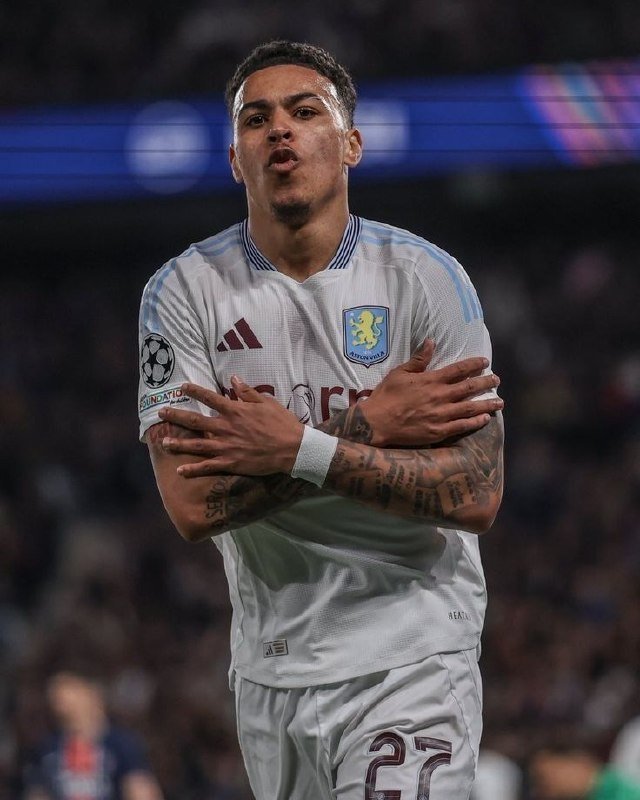
Arsenal are champions of England again. Not in some theoretical sense, not in the qualifying-conditions fine print that supporters learned to dread across two decades of near-misses — but champions in the way that matters: 38 games, more points than anyone else, the trophy in hand. On 24 May 2026, a 2-0 win over Crystal Palace at Selhurst Park confirmed what had been effectively settled for weeks, delivering a title that arrived not with a sudden surge but with the grinding inevitability of a team that simply did not lose enough.
The wait, measured in the currency of fan memory, was 22 years. The previous incarnation of this club — the Wenger Invincibles, the Emirates-era outfit that pushed Chelsea and Manchester United without quite landing the blow — felt, by the end, like a different institution entirely. Arsenal under Arsène Wenger were artists who could not quite finish the work. What Mikel Arteta has built is something altogether more purposeful: a side that scores when it needs to, defends when it has to, and crucially, does not beat itself.
The final whistle at Selhurst Park on 24 May 2026 released 22 years of suppressed expectation. Players dropped to the grass. The traveling support, packed into the Holmesdale End corner, roared as the players made their way toward the stand. The trophy was lifted — not hastily, not perfunctorily, but with the weight that the moment demanded. Arsenal had come to Crystal Palace to do a job. They left with the title.
From Nearly-Men to Definitive Winners
The significance of this triumph is inseparable from its predecessor. Arsenal led the 2024-25 Premier League for 248 days — more than any team that did not win the title in the competition's history — before Manchester City's relentless spring surge unwound everything. It was the kind of collapse that leaves scars. It would have been easy, in August 2025, to attribute that failure to structural limitations: a squad not deep enough, a squad not experienced enough, a manager not battle-hardened enough to sustain a five-month sprint.
What followed was a response that revealed something about the psychology Arteta has installed. Arsenal did not chase the league in the reckless, all-attack manner that had cost them in the previous campaign. They managed games. They won 1-0 with goals on the break. They ground out results when the football was not flowing. The title was won, in the end, by a side that learned how to win ugly — a description that would have sounded alien to the Emirates purists of a decade ago.
The squad Arteta assembled is not young in the way that "young project" coverage once implied. Bukayo Saka is 24. Martin Ødegaard is 26. William Saliba, the defensive cornerstone, is 25. Declan Rice, the transformative midfield signing, is 27. The nucleus has been together long enough to understand each other's rhythms, to cover weaknesses collectively, and — crucially — to have absorbed the pain of failure and translate it into something useful. That maturation is not abstract. It shows up in points accumulated in March and April, in the weeks when the season is decided.
The Manchester City Problem Has Not Gone Away
Any honest assessment of this title must address the absence that makes it legible: Manchester City did not win the league. Pep Guardiola's side finished third, their lowest placing since the early Guardiola years, and their season carried the unmistakable signature of a squad running on fumes. Erling Haaland remained prolific. Kevin De Bruyne remained brilliant when available. But the relentless machine precision that delivered four consecutive titles was absent — and the sources do not specify why, whether through injury accumulation, motivational drift, or the simpler reality that cycles end.
This matters for how Arsenal's title should be read. It is a genuine achievement regardless of City's form: 38 games, a points total that would have challenged most champions in any recent season. But the Premier League's structural reality is that dominance is contested, not given. If City regroup in 2026-27 — if their recruitment addresses the gaps and their key players recover the fitness that eluded them — Arsenal will face the same opponent that has defined their ceiling for three seasons running. The title won in 2026 does not automatically confer the right to win again in 2027.
There is also the commercial calculus that operates above the touchline. A Premier League title increases broadcast revenue, attracts higher-caliber transfer targets, and shifts the club's negotiating position in contract renewals. Saka and Ødegaard, both tied to long-term deals, are now in a position to command salaries commensurate with their status as league winners. Keeping this squad together is both more feasible and more necessary than it was twelve months ago.
What Dominance Actually Looks Like
The phrase "period of dominance" appeared in the BBC's initial report on the title win — a formulation worth examining on its own terms. Dominance, in the Premier League context, implies a sustained competitive advantage over rivals, not merely a single season of supremacy. Arsenal's neighbours to the north in North London will tell you that one title does not make a dynasty; their rivals across the city will tell you that the difference between a great season and a great team is the ability to reproduce it.
What Arsenal have going for them is a structure that appears built for repetition. Arteta is 44, younger than most managers who have won this league recently. The coaching staff is stable. The academy continues to produce players capable of contributing at senior level — a financial multiplier as well as a sporting one. The ownership model, controlled by Stan and Josh Kroenke, has been consistent and, crucially, has backed the manager in the market when the strategic case was made. None of that guarantees a second title. But it creates conditions in which a second title is plausible rather than aspirational.
The counter-argument is the one that prudent analysts reach for when the celebration is still ringing: the Premier League does not reward past performance. The 2026-27 season begins in August with a clean slate. Liverpool, under a new manager and with a rebuilt squad, will push. Chelsea's substantial investment must eventually produce a coherent team. Manchester City, as noted, will not concede another league title without a fight. Arsenal's title win is not a launchpad by itself — it is evidence that the launchpad exists and has been used correctly.
The Stakes Beyond the Trophy
Strip away the emotion — and it is worth stripping it away, because the emotion is significant but it is not the whole story — and what remains is a club at an inflection point. The supporters who packed Selhurst Park on 24 May 2026 were not celebrating merely a sporting result. They were marking the closing of a chapter that began in 2004, the year Arsenal last felt like a club at the top of English football rather than a club that remembered being there. That psychological weight is real. It shapes recruitment conversations, it influences player decisions, it affects the temperature of the fanbase in difficult moments. Getting rid of it is worth more than the trophy alone.
The broader Premier League implications are subtler. Arsenal's success, if sustained, would represent the first credible challenge to City-style dominance in the post-2020 era — a competitive recalibration that would benefit the league's global brand, its broadcast appeal, and its reputation for unpredictability. A league in which one team wins every year becomes a product that audiences consume rather than follow. A league in which three or four clubs have genuine, credible title claims is a different proposition entirely.
Arsenal have their trophy. They have their manager, their core players, and — for now — their belief. The next sixty days of contract negotiations, transfer rumors, and pre-season preparation will determine whether this title is the first of several or a solitary peak. The football world will be watching. The sources suggest that Arsenal, finally, have something worth watching back.
This desk noted that initial wire framing emphasized the emotional release — "catharsis," in ESPN's framing — which is accurate but incomplete. Monexus approached the story as a structural moment: a club that had identified a failure, addressed it internally, and executed a plan to completion. The emotion is real. The method is the more instructive part.
Wire provenance
This editorial synthesis draws on the following public wire/social posts:
- https://t.me/TheAthleticFootball/38290