Baseball's Memorial Day Checkpoint: What the 2026 Season Tells Us About the State of the Game
With the Memorial Day marker arrived on 25 May 2026, MLB's expert community took stock of a season marked by evolving pitching dynamics, surprising division leaders, and the persistent question of what a modern championship contender looks like.
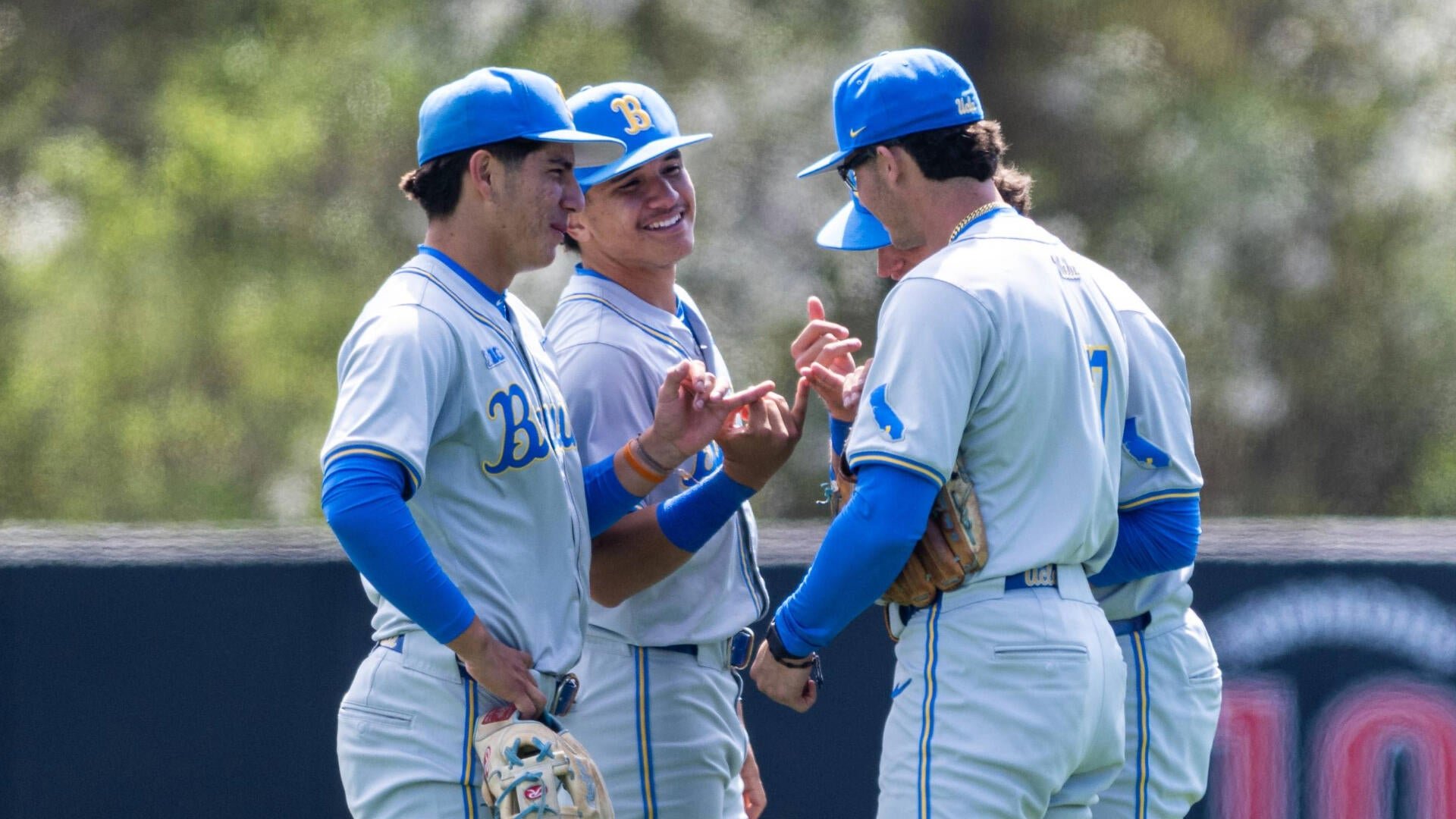
The baseball season does not observe holidays in the traditional sense, but Memorial Day has long functioned as the sport's unofficial checkpoint — a moment when front offices and analysts begin separating legitimate contenders from pretenders. On 25 May 2026, with Major League Baseball's schedule crossing the Memorial Day threshold, the expert consensus assembled by ESPN offered a layered assessment of where the game stands heading into its summer months.
The picture emerging from that review is one of considerable stratification. Several teams identified as winter favourites have underperformed relative to expectations, while a handful of organizations that entered the year with modest projections have established themselves as genuine forces. The causes are familiar to anyone who has followed the sport's recent evolution: pitching infrastructure, defensive versatility, and the continued premium on players who can influence games across multiple dimensions.
What the Experts Saw
The ESPN panel's assessment, published on 25 May 2026, identified both the season's most significant overachievers and its more cautionary cases. The exercise amounts to more than mid-season score-keeping; it is, in essence, a diagnostic of organizational philosophy. Teams that built around star-heavy lineups without complementary depth have found the margin for error narrower than anticipated, while organizations that invested in player development pipelines and bullpen architecture are reaping structural advantages that manifest across a 162-game grind.
The structural point matters. Baseball's regular season rewards consistency in a way that compresses the significance of any single game, but the Memorial Day checkpoint still carries predictive weight. Teams within striking distance of their divisional leads at this stage have historically demonstrated higher playoff conversion rates than those who mount second-half charges from further back — a function of the resource allocation and strategic positioning that accrues to early-season success.
The Broader Cultural Context
The timing of this assessment arrives alongside a broader cultural reckoning with how Americans engage with the sport across Memorial Day weekend. The connection between baseball and the holiday is not incidental; the sport's summer cadence maps onto the national calendar in a way that most professional competitions do not. Schools are concluding, temperatures rise, and the game fills the evenings — a rhythm that has anchored American leisure for generations.
That cultural role complicates any purely competitive analysis. Baseball is not merely a sport in the United States; it is a framework through which communities mark the passage of summer and, in Memorial Day's case, the particular weight of remembrance. The holiday's original purpose — honouring military personnel who died in service — sits in productive tension with the recreational character of a baseball weekend. The game does not resolve that tension; it holds it, in the way that public rituals do.
The professional game's relationship to that broader civic function has always been somewhat ambivalent. MLB benefits from the cultural goodwill that proximity to American tradition generates, but the sport's economics have increasingly estranged it from the community-field character that once defined it. The average franchise valuation has grown at a pace that outstrips most measures of ordinary fan engagement, and the geographic concentration of talent in high-revenue markets raises persistent questions about competitive balance.
The Season's Structural Lessons
What the 2026 Memorial Day snapshot suggests, beyond individual team trajectories, is a sport still negotiating its identity in a fragmented media environment. Attendance figures and viewership metrics tell a story that depends heavily on which data series one consults, but the directional trend points toward a sport that must work harder to capture younger audiences than it did a generation ago. The game has responded with stylistic adaptations — an emphasis on launch angle and exit velocity, a proliferation of defensive shifts, a bullpen utilization model that has transformed how starting pitchers approach their craft — but those adaptations have not uniformly broadened the sport's appeal.
The ESPN panel's implicit thesis, whether intentionally or not, is that the most compelling baseball in 2026 is being played by teams that have found ways to balance analytical sophistication with the kind of player unpredictability that generates memorable moments. That balance is difficult to institutionalize; it requires organizational cultures capable of tolerating ambiguity, a quality that does not always survive contact with the financial pressures that professional baseball exerts.
The stakes of that negotiation are not trivial. Baseball's position within the American sports firmament depends on maintaining a reputation for competitive integrity — the sense that any team, on any given day, is capable of defeating any other. Whether the 2026 season is reinforcing or eroding that perception will not be settled by Memorial Day, but the checkpoint offers a useful accounting.
Monexus monitors MLB coverage across the season, with particular attention to how the sport's structural economics shape competitive outcomes.
Wire provenance
This editorial synthesis draws on the following public wire/social posts:
- https://t.me/dynasty_empire_epochtimes/22451