Rubio's Ultimatum and the Hormuz Gambit: Can a 60-Day Ceasefire Hold?
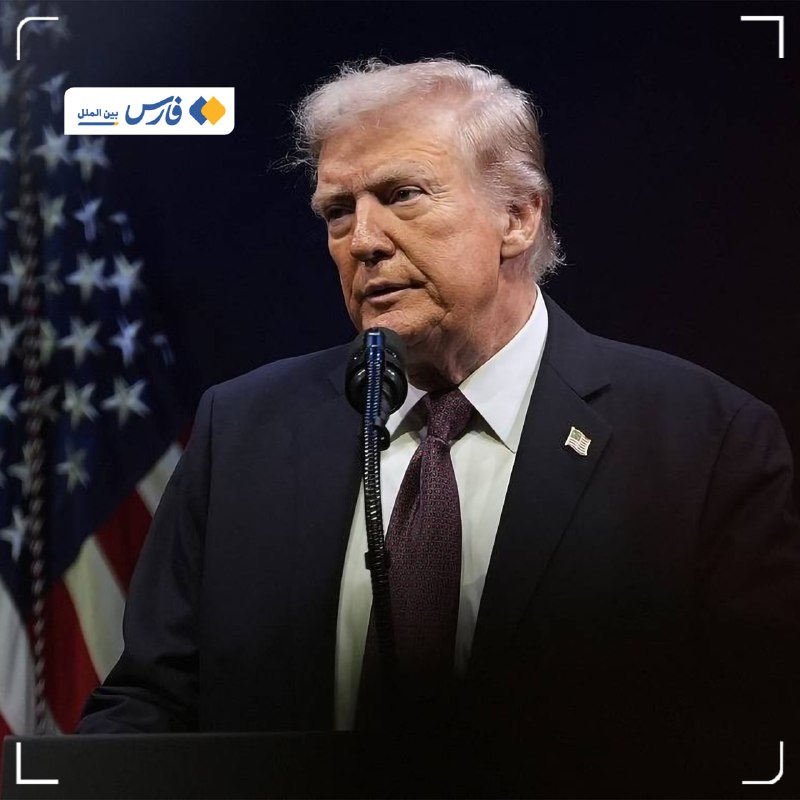
By Sunday morning, US Secretary of State Marco Rubio had a message for Tehran: a deal is within reach, but time is running out. Speaking at a press briefing, Rubio said the ceasefire framework under discussion would involve a 60-day extension during which the Strait of Hormuz — the world's most critical oil chokepoint — would be reopened, according to multiple wire reports. "A pretty solid deal is on the table," Rubio said, per Reuters and Al Jazeera, adding that if formal negotiations fail, the United States would pursue "another way." The warning carried the weight of a velvet ultimatum: Hormuz reopened, sanctions eased, or the alternative neither side has named aloud.
Eight hours later, Tehran pushed back. Iran's Foreign Ministry spokesperson told reporters that prospects for an imminent agreement had been overstated, according to Middle East Eye's live coverage. The gap between Washington's framing and Tehran's response is more than rhetorical — it is structural. The ceasefire proposal, as described by Rubio, rests on a sequence both sides have historically rejected: Iran must demonstrably open the strait before meaningful sanctions relief arrives, while the United States must demonstrate willingness to ease measures that Iran sees as existential pressure. That sequencing dispute is not new. It has blocked every similar framework since 2018. Whether the current window is different — or simply feels different because of the stakes — is the central question this week.
What the Ceasefire Proposal Actually Requires
The 60-day framework Rubio described is more than a pause button. It envisions Hormuz operating freely for two months — meaning the US naval posture in the Gulf would need to shift, Iran would need to ceased its interdiction operations, and international tanker traffic would need to resume without delay. In exchange, Iran would receive partial sanctions relief and a negotiated pathway toward a broader nuclear understanding. It is a classic confidence-building measure: small steps, verified by both sides, designed to create enough goodwill for a larger deal. The problem, as seasoned observers of US-Iranian negotiations note, is that confidence-building measures require both parties to trust the other — a condition that has not existed in this relationship for years. The Trump administration's re-imposition of maximum pressure in 2025, and Iran's simultaneous acceleration of its uranium enrichment programme, has left both governments with very little domestic political room to be seen making unilateral concessions. Rubio knows this. The "another way" formulation is not abstract — it points toward either sustained military pressure or a collapse of the talks, followed by something more kinetic.
The Counter-Narrative From Tehran
Iran's downplaying of an imminent deal is partly negotiating posture and partly genuine caution. Multiple Iranian officials have signaled in recent weeks that they view the current US approach as transactional rather than diplomatic — an effort to extract Hormuz normalization without addressing the underlying sanctions architecture that restricts Iran's oil revenue and banking access. Tehran's position, articulated through state-aligned media in recent days, is that any agreement must address the full sanctions regime, not merely the narrow question of strait transit. That is a substantially different ask than what Rubio described as "on the table." The gap suggests that while both governments are talking, they are not yet talking about the same thing. Whether that gap is bridgeable in the 60-day window — or whether it is the kind of gap that exists precisely to make a deal appear possible while keeping both sides from having to commit — will determine whether Monday's optimism survives contact with the actual negotiating teams.
The Strait and Global Trade
Hormuz handles roughly one-fifth of the world's oil flows and a significant portion of global liquefied natural gas exports. The blockage that began following Iran's retaliatory strikes in April has forced major energy traders to reroute shipments around the Cape of Good Hope — adding 14 to 21 days to transit times and a material premium to insurance costs. The rerouting has not caused a price shock of the kind that defined the 1970s oil crises, partly because global demand is lower and partly because the strategic petroleum reserves of several IEA member nations have been available to smooth short-term disruptions. But the longer the strait remains contested, the more structural the adjustment becomes. Toyota's announcement — cutting overseas production by approximately 83,000 vehicles by November, expanding on previous reductions, according to Nikkei Asia — illustrates how supply chain disruptions are cascading through the manufacturing sector. The automotive industry is not alone. Chemical producers, agricultural equipment makers, and consumer electronics brands have all flagged exposure to shipping disruption as a result of the strait standoff. The 60-day ceasefire, if it holds, would allow those rerouting decisions to be reversed. If it collapses, the disruptions become embedded — and become arguments for longer-term diversification of supply chains that have been dependent on Gulf transit.
Structural Frame: Hormuz as Leverage
The Strait of Hormuz is not merely a shipping lane. It is a piece of geopolitical infrastructure that has defined Gulf power dynamics for decades. Iran knows that controlling access — or even the credible threat of controlling access — gives it disproportionate leverage in any negotiation with the United States. Washington knows this too, which is why the effort to reopen the strait has been presented not as a concession to Iran but as a precondition for any broader deal. This framing is deliberate: it positions Iran as the party that must act first, and the United States as the party offering a framework in response to Iranian behavior. Whether this framing reflects the actual dynamics on the ground or is a diplomatic construction designed to allow both sides to save face is difficult to determine from the public record. What is clear is that the Hormuz question has become the mechanism through which every other US-Iranian dispute — nuclear enrichment, regional militia activity, sanctions architecture — gets filtered. Hormuz is where the leverage lives. It is where the negotiation will succeed or fail.
The Week Ahead: Stakes and Scenarios
Rubio's optimism is real, but optimism is not leverage. The sources do not specify what "another way" means in operational terms, and the ambiguity is probably intentional — a signal designed to keep all options open rather than to telegraph a specific response. What is certain is that both sides have strong incentives to reach a ceasefire framework before the economic costs of continued disruption become politically untenable. For the United States, that means domestic pressure from energy consumers and allies in Asia who are paying a premium for rerouted oil. For Iran, it means continued pressure on its banking sector and the risk that a collapsed negotiation strengthens the hardliners who have argued that engagement with Washington is a dead end. The ceasefire proposal is a credible attempt to break that loop — but credibility requires both sides to move simultaneously, and neither side has shown a willingness to move first. Monday will test whether the gap between the two positions is a negotiating gap or a fundamental one. If it is the former, a deal is possible. If it is the latter, Rubio's "another way" becomes the story.
This piece prioritizes the Western diplomatic record — Rubio's statements and the ceasefire framework as presented to wire services — while incorporating Iranian government framing from state-adjacent reporting. The economic disruption from Hormuz blockage is treated as a first-order consequence, not a secondary footnote, because the production decisions being made by manufacturers like Toyota signal that the strait's status is no longer a theoretical question for global supply chains. The coverage differs from pure wire framing by foregrounding the sequencing dispute — the question of who moves first — as the structural obstacle rather than treating the absence of a deal as a failure of will on either side.
Wire provenance
This editorial synthesis draws on the following public wire/social posts:
- http://reut.rs/4fFhjUu
- https://t.me/BBCWorldoffl/10857
- https://t.me/nikkeiasia/10858