Iran's Hormuz Gambit: Tanker Traffic, Ceasefire Talks, and the Strait's Fragile Future
As Iranian-backed proposals circulate and tanker traffic resumes, the Strait of Hormuz — the world's most critical oil chokepoint — sits at the intersection of diplomatic back-channels and hard strategic calculation.
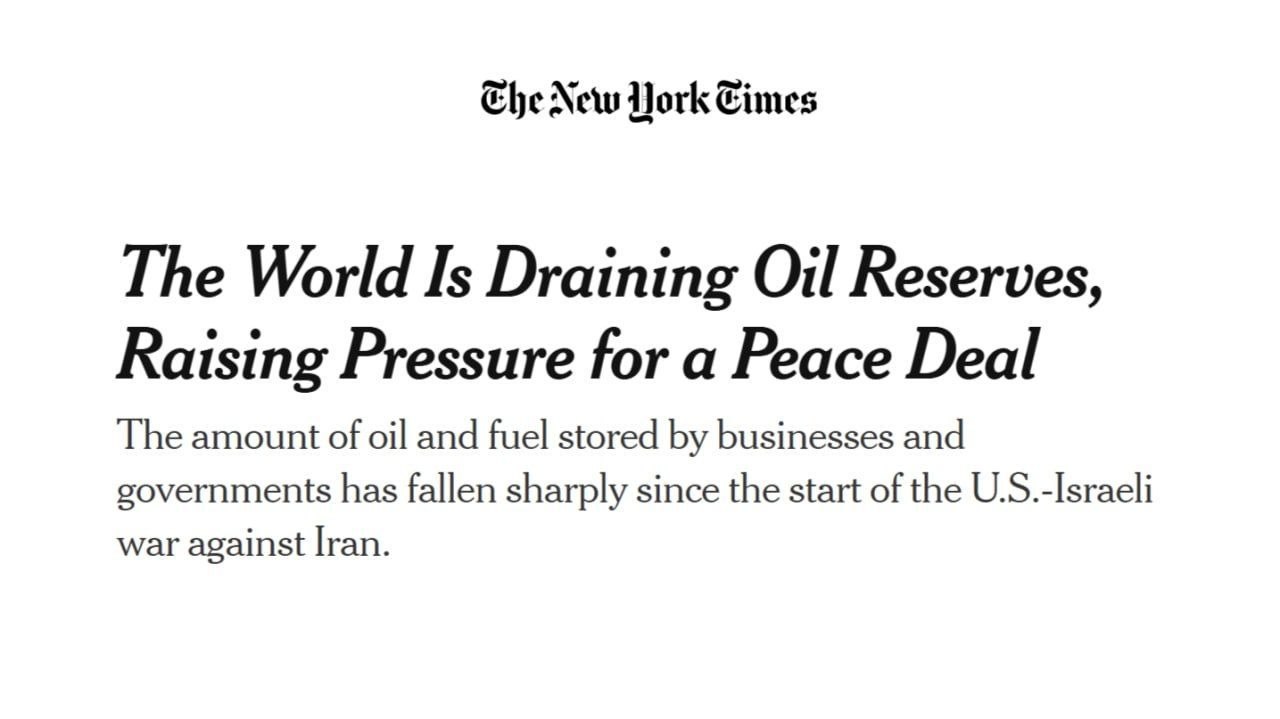
The first tankers carrying crude bound for Pakistan and China cleared the Strait of Hormuz on 25 May 2026, according to live situational reporting from Middle East Eye. That same morning, a senior US official told the outlet there was no evidence of naval mines deployed in the waterway — a finding that, if confirmed, removes one of the more alarming scenarios that analysts had been modelling over the preceding weeks.
The timing is not coincidental. Polymarket, the prediction market platform, flagged on 24 May that a proposed US-Iran deal would require Tehran to clear any mines during a 60-day ceasefire extension, with the Strait reopening as the central deliverable. Earlier that day, a 2-million-barrel Iraqi supertanker bound for China passed through the chokepoint — an early signal that at least one operator was willing to wager that the diplomatic trajectory would hold.
The convergence of tanker movement, ceasefire proposals, and the mine-clearance condition frames the core question now facing energy markets, Gulf Arab states, and Washington's negotiating team: is this the shape of a deal, or a negotiating position that collapses under scrutiny?
The Proposal and Its Mechanics
Iran reportedly sent a new proposal to end the conflict on 23 May 2026, according to Polymarket's tracking of market-moving news events. The proposal's contents, as partially described in the wire, centre on reopening the Strait of Hormuz as a confidence-building measure and clearing any deployed mines within a 60-day window. Crude oil futures fell on the day the proposal was reported, reflecting market sentiment that a resolution would ease the supply-congestion premium that had built in over the preceding weeks.
The conditions attached to the deal, as described by US officials via Middle East Eye, imply a sequencing logic: ceasefire first, Strait normalisation second, sanctions relief third. That sequencing is not neutral. It places the operational burden on Tehran — mine-clearing is verifiable, or at least checkable by Western naval assets — while deferring the political payoff to subsequent rounds of negotiation. Whether Iran finds that structure acceptable, or whether it amounts to a one-sided ask dressed up as mutual obligation, remains the central sticking point.
What the Tanker Traffic Tells Us
Tanker movements through Hormuz are not proof of a deal — they are proof of calculated risk. The Iraqi supertanker crossing on 24 May with 2 million barrels of crude destined for China suggests that at least one major shipper decided the political signals were clear enough to move cargo. The subsequent Pakistani and Chinese-bound vessels on 25 May add to that pattern. But shipping companies hedge; they move cargo when the premium is right and the route is navigable, not only when diplomatic certainty prevails.
What the traffic does confirm is that the Strait has not been physically closed to merchant shipping — only contested, surveilled, and politically charged. No mines have been confirmed in the waterway by US assessments, which narrows the risk scenario from "act of war in a global chokepoint" to "negotiating leverage that has not been exercised." That distinction matters enormously for insurance markets, freight rates, and the Asian refineries that depend on Gulf crude.
China's Stake in the Strait's Stability
Beijing has a structural interest in Hormuz that is often underreported in Western framing. China imported roughly 11 million barrels per day in 2025, a substantial share of which transits through the Strait of Hormuz from Saudi Arabia, the UAE, Iraq, and Iran itself. Any prolonged disruption does not merely spike oil prices — it destabilises the energy input cost for China's industrial economy at a moment when Beijing is already managing pressures on manufacturing margins and domestic consumption.
The vessels moving toward Chinese ports on 25 May are, in that sense, a quiet diplomatic signal from the market itself: the chokepoint is not closed, and the trajectory leans toward keeping it open. China has not issued public statements on the specifics of the US-Iran proposal — its state media have carried the reports without editorialising — which is characteristic of Beijing's posture in situations where it has leverage but prefers not to disclose the extent of its interests.
The Gaps and What Remains Unresolved
The sources reviewed for this article do not establish whether the ceasefire proposal has been formally accepted by Washington, whether the mine-clearance condition has been verbally agreed by Tehran, or what verification mechanism would apply if a deal is struck. The US official's finding of no mines is encouraging — it suggests either that the mine scenario was always overstated in Western security briefings, or that Iran has chosen not to deploy that capability — but it is not the same as a declared ceasefire.
What the Polymarket data reflects is market consensus forming around a probabilistic outcome, not confirmed diplomatic fact. The 61% chance of crude falling below $90 by month-end, as tracked by the platform, reflects the market's reading of the proposal's trajectory rather than its certainty. For refiners in South Korea, Japan, and China who hedge crude purchases 30 to 90 days out, that uncertainty has a cost that does not appear in headlines but does appear in procurement decisions.
The Strait of Hormuz will remain the world's most consequential maritime chokepoint regardless of whether a deal emerges from this round of back-channel diplomacy. What the past 72 hours of reporting confirms is that the window for a managed resolution — one where the Strait reopens, the mine-clearance condition is met, and the ceasefire holds — is open, but not for long. The tankers clearing the waterway this morning are placing a bet on that window holding. Whether the diplomatic infrastructure is in place to honour that bet is the question this publication will continue to track as the situation develops.
Monexus reported this story using Middle East Eye's live situational coverage and Polymarket's market-moving event tracking. The wire framing centred on mine-capability risk; this article foregrounds the tanker traffic and China's structural energy interest as equally significant data points.