Iran's New Parliamentary Leadership: Nikzad and Hajibabaei Assume Key Roles Amid Political Transition
Ali Nikzad and Hamidreza Hajibabaei have been elected to senior parliamentary positions in Iran's Majlis, consolidating a new leadership structure within weeks of the assembly's formal convening.
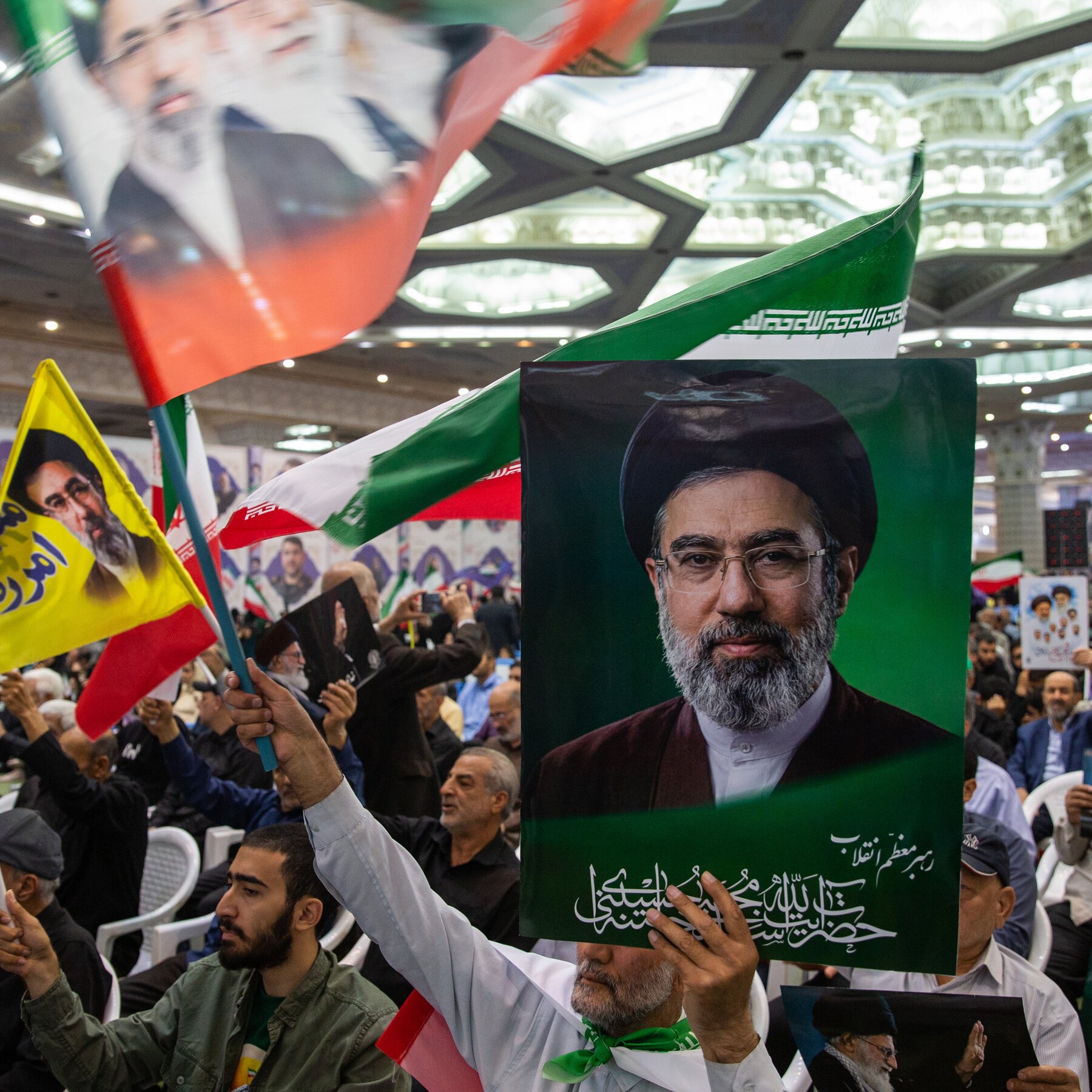
Iran's parliament elected a new senior leadership lineup on 25 May 2026, with Ali Nikzad and Hamidreza Hajibabaei assuming the two vice-presidential posts of the Majlis. Nikzad secured 143 votes from the assembly of representatives, while Hajibabaei received 100 votes in the same contest, according to initial vote tallies reported by Iranian state-aligned news outlets. The election took place as 276 of the parliament's 285 representatives participated, a turnout representing 96.6 percent of the total membership.
The composition of the new parliamentary leadership follows weeks of jockeying among political factions within the reformist and conservative camps. Nikzad, whose surname is sometimes rendered as "Nawab" in transliterations from Persian, had been widely cited in Tehran-based media as a leading candidate for one of the senior positions in the days preceding the vote. The margin between the two vice presidents-elect — 43 votes — suggests a divided chamber with no single faction commanding an outright majority, a dynamic that is likely to complicate legislative arithmetic for the incoming government's agenda.
The Vote Count and What It Reveals
The vote totals themselves offer a window into the balance of power within the newly constituted assembly. Nikzad's 143-vote plurality indicates he commands the largest single bloc among the parliamentary factions, but falls well short of a majority of all 285 seats. Hajibabaei's 100 votes represent a substantial minority — enough to make him a mandatory coalition partner for any legislative initiative that requires broad consensus. The four representatives who did not vote, or whose votes went to other candidates, represent an even smaller faction that could prove decisive in close divisions.
The Mehr News Agency, a state-affiliated outlet with close ties to the intelligence and security apparatus, confirmed the election outcome and published the vote tallies on the morning of 25 May 2026. Tasnim News, another semi-official outlet with a reformist editorial line, reported the result as the parliament's official tally, listing Nikzad and Hajibabaei as first and second vice presidents respectively. Farsna, a Telegram channel monitoring parliamentary proceedings, provided the most granular breakdown, specifying the 96.6 percent participation rate.
Political Context Within Tehran's Elite Circles
The sources do not provide explicit commentary on the political affiliations of the two newly elected officials, but the context suggests a reformist-aligned slate. Nikzad's public profile in Iranian political reporting has consistently associated him with the reformist camp that has sought closer engagement with Western governments and a loosening of social restrictions within the Islamic Republic's conservative institutional framework. Hajibabaei's positioning appears more centrist, drawing support from both reformist and moderate conservative blocs — a profile that makes him a natural consensus candidate for the second vice presidency.
The parliament that elected these officials convened in its current composition following elections held earlier in 2026. Iran's Guardian Council must approve all candidates before they appear on the ballot, meaning the resulting assembly reflects a pre-filtered political landscape in which both moderate reformists and conservative hardliners have been vetted through the same institutional screen. This structure shapes the range of outcomes possible within the chamber: ideological disagreement occurs within a narrow band of officially sanctioned political expression.
Regional and Geopolitical Implications
Iran's parliamentary leadership matters beyond domestic policy calculus. The Majlis must ratify international agreements, approve foreign investment frameworks, and debate the country's posture toward ongoing nuclear negotiations with Western powers. With a leadership team that leans toward the reformist camp, the incoming government in Tehran may find it easier to secure legislative backing for diplomatic outreach — a dynamic that Western capitals will be watching closely as the broader architecture of Middle Eastern diplomacy continues to shift.
The timing of the vote — on the same day it was reported — means the international community had little opportunity to assess the implications before the result became official. Regional rivals, including Saudi Arabia and the United Arab Emirates, will likely factor the new parliamentary leadership's composition into their own strategic calculations regarding diplomatic engagement with Tehran.
What Remains Unresolved
Several questions extend beyond what the available sources illuminate. The precise institutional authority distinguishing the first vice president from the second vice president in the Iranian parliamentary system is not detailed in these reports; that relationship will become clearer as the new leadership assumes its functions. The sources do not identify the speaker of the Majlis, leaving open whether that position was also decided on 25 May or whether the election process for the speaker's role remains ongoing. Additionally, the policy priorities that Nikzad and Hajibabaei have signaled for the legislative session — on economic reform, nuclear policy, or social issues — do not appear in the source material and would require additional reporting to establish.
The parliamentary election of 25 May 2026 establishes a leadership structure that will shape Iran's legislative agenda through the coming term. The narrow margins and divided factional support suggest a chamber in which coalition-building will be essential, not optional — a dynamic that could either enable pragmatic compromise or produce legislative deadlock, depending on how the government's priorities align with the distribution of seats.
This article was updated to reflect the vote tallies as reported by Mehr News and Tasnim News on the morning of 25 May 2026. Earlier versions of this report identified the officials by alternative transliterations of their names from Persian.
Wire provenance
This editorial synthesis draws on the following public wire/social posts:
- https://t.me/Farsna/276
- https://t.me/Mehrnews3
- https://t.me/tasnimnews_en