Markets Bet on Breakthrough, But Iran–US Nuclear Standoff Remains Far From Resolved
Polymarket odds give a 70% probability that the US lifts its Hormuz blockade by end of May 2026, and report a 60-day ceasefire extension is being negotiated — but a mere 8% probability that Iran surrenders its enriched uranium stockpile.
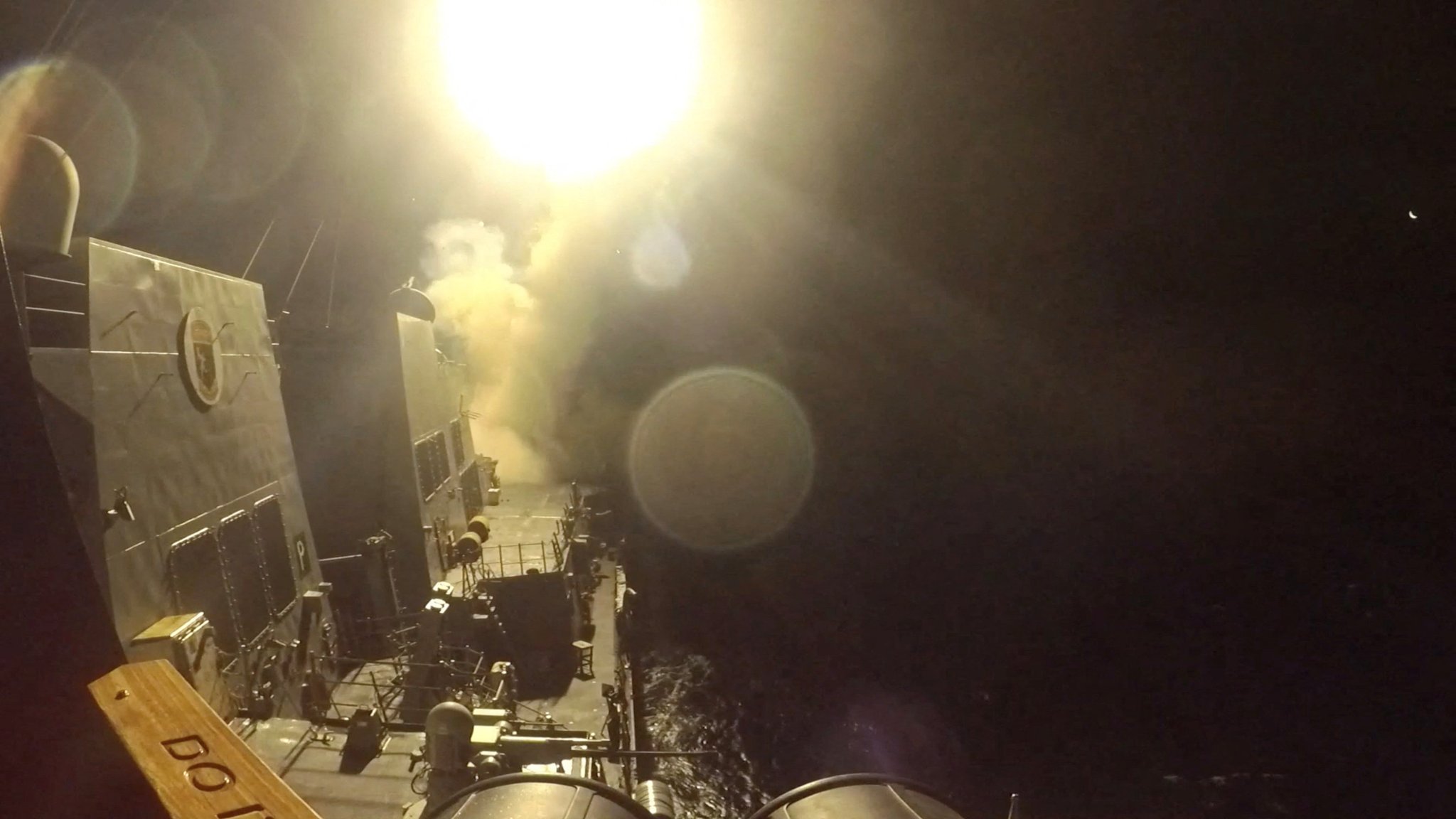
As of 25 May 2026, negotiators working through Omani intermediaries are close to finalising a 60-day extension of the US–Iran ceasefire first declared in early May, according to Polymarket posts citing unnamed officials. The signals from financial markets are unambiguous: there is a 70% probability the US lifts its Hormuz Strait blockade by month's end, per Polymarket's live odds. But a simultaneous market — on whether Iran agrees to surrender its enriched uranium stockpile by the end of May — sits at just 8%. That gap between the two probabilities is the real story.
The Enriched Uranium Question
On 23 May 2026, Polymarket posted a new market asking whether Iran agrees to surrender its enriched uranium stockpile by the end of the month. The opening odds sat at 7%; by late afternoon they had edged to 8%. The number is low, but not zero — it signals that a portion of the prediction market's informed liquidity believes a surprise is possible, even if conventional analysis considers it unlikely. Iran's uranium enrichment programme has been the central sticking point in nuclear talks since the original JCPOA collapsed in 2018. Tehran has consistently held that enrichment is a sovereign right under the Nuclear Non-Proliferation Treaty, and that any demand to dismantle the programme wholesale is a non-starter. Senior Iranian officials have repeated this position in public statements in recent weeks.
Ceasefire Extension and the Hormuz Question
Polymarket on 23 May also flagged a new event — probability that a US–Iran permanent peace deal is reached before the ceasefire ends. That market opened on 24 May, and the early signal was measured rather than enthusiastic. The extension talks, reported as a 60-day window, are understood to be structured around a pause in hostilities rather than a resolution of the underlying disputes. Lifting the Hormuz blockade — which the US Navy has maintained in some form since early May 2026, contributing to elevated oil prices and strained relations with Gulf states — would represent a major de-escalatory gesture. The 70% probability on that outcome suggests the market considers it more likely than not. Whether Iran reads a lifted blockade as a sufficient concession to warrant reciprocal steps on the nuclear file is the question that will determine whether the ceasefire holds past June.
The Hormuz Premium
Roughly a fifth of global oil output passes through the Strait of Hormuz. The blockade — in place, in some form, since early May 2026 — has kept Brent crude elevated and pressured Asian refiners, particularly in South Korea and Japan, to seek alternative supply routes. If the US lifts the blockade, the relief in freight markets will be immediate. This creates an incentive structure that cuts both ways: it gives Iran a tangible reward for negotiating in good faith, and it gives the Trump administration a visible diplomatic win that can be announced before the end of the month. But the Hormuz concession addresses the symptom, not the disease. The underlying nuclear dispute — Iran's right to enrich, the US demand for permanent dismantlement, the sanctions architecture that has squeezed the Iranian economy since 2018 — remains unresolved.
Structural Obstacles to a Durable Deal
Three years of US maximum-pressure campaigns, two diplomatic collapses, and a 2024 Israeli strike on Iranian nuclear facilities have left both sides with deep credibility deficits. Iran has survived sanctions before and developed its enrichment capacity underground. The Trump administration's negotiating team has sent mixed signals — hardline rhetoric in Washington, pragmatic back-channels in Muscat. The 8% market probability on uranium surrender reflects an accurate read of the political science: Iranian leadership cannot sign away the enrichment programme without a domestic political crisis. A face-saving formula — limits without full surrender, sanctions relief without a formal normalisation — is the most plausible outcome. But that formula has eluded both sides in every round of talks since 2021.
The Polymarket odds capture the landscape: a ceasefire extension is likely, a Hormuz lift is probable, and a comprehensive nuclear deal is still an outlier. Markets are pricing in the first two. The third remains the subject of ongoing, uncertain diplomacy.
—
Desk note: The wire this week carried the ceasefire extension talks as a straightforward diplomatic item — a step closer to resolution. Monexus framed it differently: as a gap analysis. The market probabilities, when read together, tell a story of staged concessions that address the surface crisis while leaving the structural nuclear dispute untouched. That is the more honest reading of where the talks currently stand.